
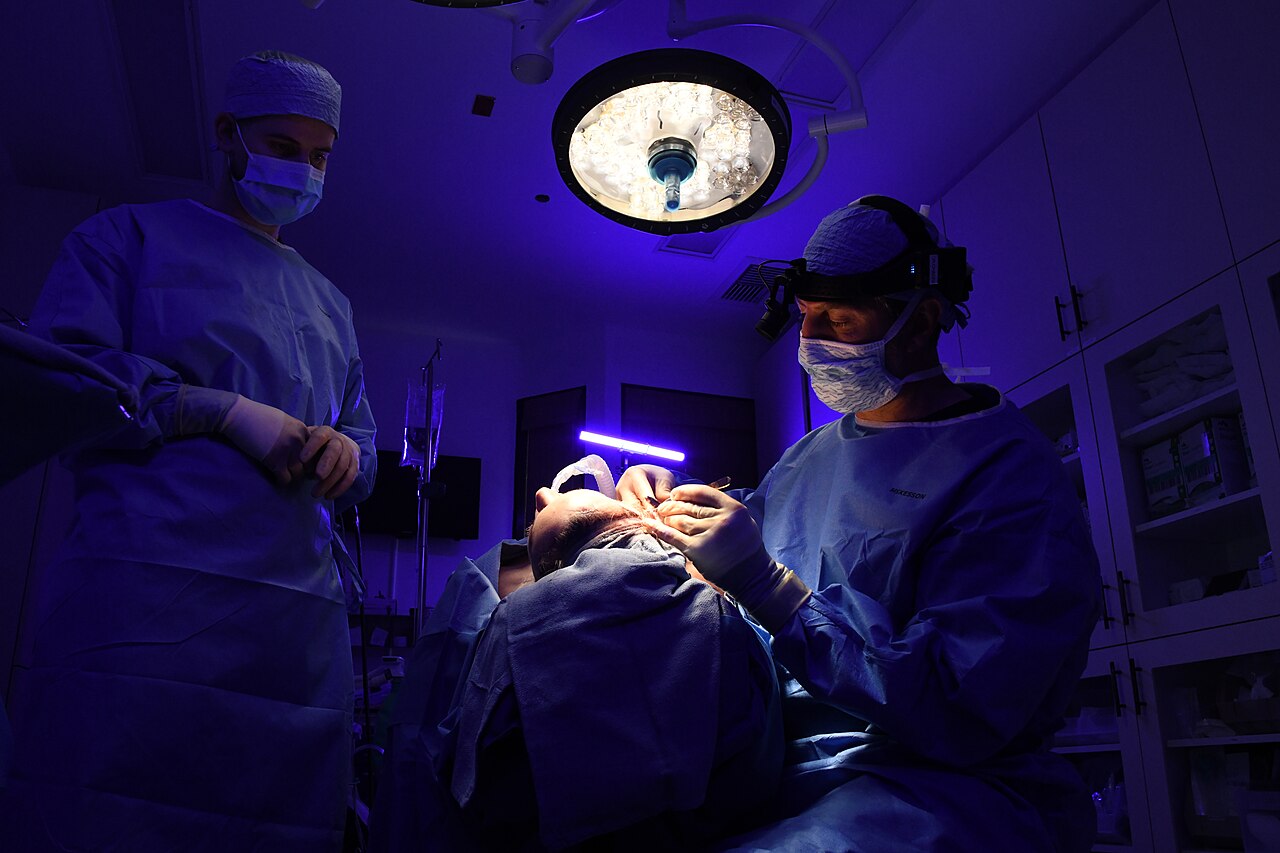
Reconstructive plastic surgery restores form, coverage and function after cancer removal, trauma, burns, infection, congenital abnormality or previous surgical failure. Unlike purely aesthetic surgery, the central question is often how to replace missing skin, fat, muscle, bone, nerve or other tissue while preserving function at both the reconstructed site and the donor site.
Modern reconstruction ranges from skin grafts and local flaps to perforator flaps, microsurgical free-tissue transfer, nerve reconstruction and complex composite reconstruction. The simplest operation is not always the best: a durable free flap may permit limb salvage, protect exposed bone or hardware, restore swallowing after head-and-neck cancer or recreate a breast with the patient's own tissue.
International patients frequently present after multiple prior operations, radiation, chronic infection or major tissue loss. Before travel, a reconstructive team should review photographs through a secure clinical pathway, pathology and cancer treatment where relevant, CT/MRI/angiography, operative notes, wound cultures, vascular status and rehabilitation needs. Many reconstructions are staged, and patients should know which stages can safely be completed during one trip.
Needing reconstruction usually means you have already been through something difficult, such as cancer, an injury, a burn or an operation that did not heal. This guide is written to help you understand the options, ask the questions that matter and recognize a team and centre that can look after you through the early, high-risk days of healing and the rehabilitation that follows. It does not promise outcomes: every defect, every body and every healing process is different.
For carefully selected patients, yes. Major Indian tertiary centres have experienced plastic and microsurgical teams, and private international-patient care can cost far less than in the USA, UK or Australia. But reconstruction is problem-solving surgery, not a package: success depends on the exact defect, whether cancer or infection is controlled, the donor-site trade-off and reliable 24-hour flap monitoring and salvage. Choose a surgeon with experience in your specific problem, a centre with ICU, blood bank, imaging and an emergency theatre, and plan to stay through the high-risk early healing period. Arrange rehabilitation and cancer follow-up at home before you leave. Send your records for a remote review; any plan stays provisional until you are examined.
| Topic | International-Patient Planning Point |
|---|---|
| Primary goal | Restore tissue coverage, anatomy and function after disease, injury or treatment |
| Core techniques | Skin grafts, local/regional flaps, perforator flaps, microsurgical free flaps and nerve/tendon reconstruction |
| Common indications | Cancer defects, trauma, burns, chronic wounds, limb salvage, breast/head-neck reconstruction and failed prior surgery |
| Microsurgery | Transfers tissue with artery/vein reconnection under magnification; intensive early monitoring is required |
| Flap failure | Uncommon in experienced centres but time-critical; urgent re-exploration can salvage threatened flaps |
| Radiation | Can impair blood supply and healing and may increase the value of healthy vascularized tissue transfer |
| Rehabilitation | Often integral to the result, particularly for hand, limb, nerve and head-neck reconstruction |
| Staged surgery | Common for complex defects, scar/contracture correction and secondary refinements |
| India stay | Often 2-4 weeks after major reconstruction; longer or repeat visits may be needed |
| India planning cost | Broadly US$2,000-10,500+; microsurgical and multi-stage reconstruction can cost more |
| Records to send | Diagnosis or cause, defect photographs, pathology and oncology plan, CT/MRI/angiography, operative reports, cultures, vascular studies and a list of functional limitations |
| Major Indian hubs | Delhi NCR, Mumbai, Chennai, Bengaluru, Hyderabad, Kochi and other tertiary centres; expertise varies by reconstructive subspecialty |
| Companion | Strongly advisable after major reconstruction for mobility, wound and drain care, medicines, appointments and decisions during the high-risk early days |
- Part 1 - Why India and is reconstruction right for you
- Part 2 - Grafts, flaps and microsurgery
- Part 3 - Breast reconstruction
- Part 4 - Head and neck reconstruction
- Part 5 - Limb, bone and chronic wound reconstruction
- Part 6 - Burns and scars
- Part 7 - Hand, nerve and facial reconstruction
- Part 8 - Lymphedema, trunk, revision and rehabilitation
- Part 9 - Choosing your surgeon, centre and city
- Part 10 - Cost, packages and quotations
- Part 11 - Your journey: records, travel, visa and going home
- Part 12 - Tools: questions, candidacy, FAQ and checklist
Part 1Why India and Is Reconstruction Right for You
Why Do International Patients Choose India for Reconstructive Surgery?
Patients travel for reconstruction for practical reasons, and the strongest ones are about reaching an experienced microsurgical team at a price that does not force a compromise on safety:
- Lower cost. Private Indian hospitals often quote far less than self-pay prices in the USA, UK, Australia and other high-cost markets, although complications, take-back operations and later stages can narrow the gap if they are not budgeted for.
- High-volume tertiary centres. Major hospitals perform microsurgical breast, head-neck, limb, hand, nerve, burn and lymphedema reconstruction regularly.
- Multidisciplinary teams. Plastic surgeons can work alongside surgical oncology, orthopedics, ENT/head-neck, vascular, infectious disease and rehabilitation teams in one hospital.
- Hospital infrastructure. Experienced anesthesia, ICU, blood bank, imaging, pathology and microbiology are available at larger centres, which major microsurgery requires.
- Wide range of reconstruction. From skin grafts and local flaps to free flaps, nerve transfers and lymphatic microsurgery.
- Shorter waits. Private care can often be scheduled promptly after a remote review, which matters when cancer treatment should not be delayed.
- International patient support and English-speaking teams. Major hospitals typically help with appointments, hospital letters for visas, airport pick-up and accommodation guidance.
- A plan you can review first. A remote case review can tell you what is feasible, whether the reconstruction is one-stage or staged and what must be arranged at home, before you commit to travel.
Reconstruction is often planned, but some problems cannot wait for travel. Sepsis, necrotizing infection, uncontrolled bleeding, acute limb ischemia, compartment syndrome or an acutely failing recent flap needs immediate treatment where you are. Travel should only follow when it is medically safe and the two teams have coordinated.
Low cost should be the beginning of your evaluation, not the end of it. The sections that follow explain how reconstruction is planned, how to judge a team and centre, and how to arrange rehabilitation and follow-up before you leave home.
How Does India Compare with Other Medical Travel Destinations?
(Plastic and Reconstructive Surgery for International Patients in India)
Many patients also look at reconstructive centres in other countries before deciding. There is no single best country for every patient; the right choice depends on where you live, your defect and what you can verify about the team and centre. These are the factors worth comparing:
| Factor | What to compare | How India generally fares |
|---|---|---|
| Cost | The full itemized pathway: surgeons, anesthesia, theatre, ICU, consumables, monitoring and exclusions | Often far lower than self-pay pricing in Western countries; cancer resection, orthopedic work and take-backs can narrow the saving |
| Subspecialty experience | Experience in your exact problem: microsurgery, breast, head-neck, limb salvage, hand/nerve, burns or lymphedema | Strong high-volume centres exist; expertise varies by subspecialty, so verify it for your defect |
| Flap-salvage infrastructure | 24-hour monitoring, an emergency theatre, ICU and blood bank | Available at major tertiary centres; confirm it in writing |
| Multidisciplinary care | Whether oncology, orthopedic, ENT and vascular surgeons are on site | Common at large hospitals; ask who will coordinate |
| Rehabilitation | Therapy that begins in hospital and a plan for therapy at home | Varies by centre; ask for written milestones before you travel |
| Distance and stay | Length of the flight and the 2-4 weeks or more you may need to stay | Depends on where you live: relatively close for patients from South Asia, the Middle East and East Africa, and a long-haul journey from the Americas and parts of Europe |
| Visa | Visa type, processing time and attendant visa rules | India has a dedicated medical visa system with attendant categories; always confirm current rules for your nationality |
| Follow-up | Who will manage wound, flap, infection or oncology issues at home | Depends on the plan; ask for a defined pathway before you commit |
- Ask every destination for the same written plan: the defect, the graft or flap, the donor site, co-surgeons, expected stages and exclusions.
- Compare subspecialty experience and flap-salvage infrastructure first and the price second.
- Compare the total pathway cost: reconstruction, any cancer or orthopedic surgery, ICU, a contingency for take-back and complications, flights, accommodation and a caregiver.
- Judge the surgeon's results in your type of case, including flap-loss and take-back experience, not the country on offer.
- Compare the rehabilitation and follow-up plan: who will deliver therapy and wound care after you return home?
The Reconstructive Ladder and Reconstructive Elevator
Traditional planning progresses from secondary healing and grafts to local, regional and free flaps. Modern reconstructive practice often chooses the technique that best restores function rather than mechanically selecting the simplest rung. A free flap can be the most efficient definitive solution for a complex defect.
Who Needs Reconstructive Plastic Surgery?
Patients may need reconstruction after tumor removal, road/industrial trauma, burns, chronic osteomyelitis, pressure injury, diabetic wounds, congenital differences or complications of previous surgery. The underlying disease must be controlled alongside reconstruction.
Multidisciplinary Planning
Complex cases may require plastic surgery plus surgical oncology, orthopedics, ENT/head-neck surgery, vascular surgery, neurosurgery, breast surgery, infectious disease and rehabilitation. The reconstruction should support the primary treatment rather than delay it unnecessarily.
Preoperative Defect Assessment
The surgeon evaluates missing tissue components, wound contamination, exposed bone/tendon/hardware, vascularity, radiation injury, sensation and functional requirements. Photographs alone cannot define deep tissue or recipient-vessel quality.
Medical Optimization
Anemia, malnutrition, diabetes, smoking/nicotine, vascular disease and infection increase reconstructive risk. Protein status and nutritional deficiencies are especially relevant in chronic wounds and cancer patients. Optimization can improve both flap and donor-site healing.
Smoking and Nicotine
Nicotine impairs microvascular and skin-flap perfusion and can increase wound complications. Cessation before and after reconstruction is strongly encouraged and may be required. Some surgeons also restrict nicotine-replacement products.
Is Reconstruction Right for You? A Short Checklist
| Question | Why it matters | Who answers it |
|---|---|---|
| Is the underlying cancer or infection controlled? | Reconstruction cannot cure uncontrolled disease and should not delay primary treatment | Your oncology, infection and surgical teams |
| Is the defect clearly defined? | Missing tissue, exposed structures and function guide the choice of graft or flap | The reconstructive surgeon, with imaging |
| Am I medically stable enough to travel? | Anemia, malnutrition, diabetes, vascular disease and infection raise risk | Your physician and the surgeon |
| Can I stop nicotine? | Nicotine impairs flap and wound healing | You, with your doctor |
| Can I stay through the early healing period and access therapy at home? | Early flap monitoring and rehabilitation are part of the result | You, with the surgical team |
Preparing Yourself Before Reconstructive Surgery (Prehab)
Preparation reduces risk. Always agree what is appropriate with your team, and never let preparation delay urgent cancer, infection or limb treatment:
- Stopping smoking, vaping and nicotine for as long as your surgeon requires, before and after surgery
- Improving nutrition and protein intake, and treating anemia, as advised by your team
- Controlling diabetes and blood pressure, and reviewing medicines, especially blood thinners, with your doctor
- Treating infection and obtaining the cultures the surgeon requests
- Gentle activity such as walking, and pressure relief for chronic wounds, as advised
- Collecting operative reports, pathology, imaging and wound photographs in one organized set
- Meeting a hand, physiotherapy, speech and swallow or lymphedema therapist at home, where relevant, before you travel
- Planning a caregiver, accessible accommodation and help for the first weeks
- Keeping travel dates flexible, because wound and flap stability decide when it is safe to fly
Preparation should never delay urgent treatment. Your team will tell you if time is critical.
Part 2Grafts, Flaps and Microsurgery
Skin Grafting
Split- or full-thickness skin grafts cover suitable vascularized wound beds. Grafts are simple and useful but do not provide bulk, bone coverage in all settings or the same durability as flap tissue. Graft take depends on contact, blood supply and infection control.
Local Flaps
Nearby skin and subcutaneous tissue can be rearranged to close defects with similar color and texture. Advancement, rotation and transposition designs are common. Local tissue may be unavailable after radiation or repeated surgery.
Regional / Pedicled Flaps
Regional flaps remain attached to their native blood supply while being moved into the defect. They can provide reliable reconstruction without microvascular anastomosis. Examples vary by anatomical region.
Perforator Flaps
Perforator-flap techniques harvest skin/fat supplied by specific vessels while preserving more underlying muscle. They can reduce donor morbidity in selected reconstructions. They require detailed anatomical expertise.
Microsurgical Free Flaps in India
A free flap is completely detached from its donor site and reconnected to recipient arteries and veins under a microscope. Tissue can include skin, fat, fascia, muscle, bone or combinations. Free tissue transfer is central to modern complex reconstruction.
Recipient Vessel Selection
Successful microsurgery requires suitable recipient arteries and veins. Prior radiation, neck dissection, trauma or thrombosis can complicate vessel choice. CT angiography or Doppler may be used selectively.
Microvascular Anastomosis
Tiny vessels are joined using fine sutures or venous couplers. Good inflow, outflow and avoidance of tension/kinking are critical. Technology assists technique but does not eliminate thrombosis risk.
Flap Monitoring
The first postoperative days are critical. Staff assess color, temperature, capillary refill, Doppler signal and other parameters; implantable Doppler or tissue-oxygen technologies are used selectively. A concerning change demands immediate surgical assessment.
Flap Thrombosis and Salvage
Arterial or venous thrombosis can threaten a free flap. Prompt return to theatre to remove clot and revise the anastomosis can salvage many compromised flaps. Delay markedly reduces salvage probability.
Donor-Site Morbidity
Every autologous reconstruction creates a donor site. Potential issues include scar, weakness, contour change, hernia/bulge, numbness or wound problems. The donor site should be part of preoperative consent, not an afterthought.
Reconstructive Techniques for International Patients in India - At a Glance
| Technique | What it does | Key points to ask about |
|---|---|---|
| Skin graft | Covers a suitable, well-vascularized wound bed with split- or full-thickness skin | Graft take, durability and the donor site; grafts do not provide bulk |
| Local flap | Rearranges nearby skin and fat with similar color and texture | Whether nearby tissue is healthy or radiated |
| Regional / pedicled flap | Moves tissue that remains attached to its own blood supply | Reach, donor-site effects and a reliable alternative when microsurgery is not needed |
| Perforator flap | Harvests skin and fat on specific vessels, sparing muscle | Surgeon experience and vessel anatomy |
| Microsurgical free flap | Detaches tissue and reconnects artery and vein at the defect | Recipient vessels, monitoring, 24-hour salvage and the flap-loss rate |
| Flap monitoring and salvage | Frequent checks of color, temperature, capillary refill and Doppler | Who monitors by night and how fast the theatre is available |
Part 3Breast Reconstruction for International Patients in India
Breast Reconstruction After Mastectomy
Breast reconstruction can use implants, autologous tissue or both. Timing can be immediate or delayed depending on cancer treatment, radiation plans, anatomy and patient preference. Reconstruction should not compromise oncologic treatment.
Implant-Based Breast Reconstruction
Tissue expanders or implants can reconstruct the breast with shorter surgery and no distant donor site. Radiation increases capsular contracture and failure risks. Implants are not lifetime devices.
DIEP Flap Breast Reconstruction in India
The DIEP flap transfers lower abdominal skin/fat while preserving most rectus muscle. Microsurgery connects deep inferior epigastric perforator vessels to chest recipient vessels. It provides living tissue but involves abdominal donor-site surgery.
TRAM and Muscle-Sparing Abdominal Flaps
TRAM-based reconstruction uses varying amounts of rectus muscle with abdominal tissue. Modern muscle-sparing approaches aim to balance blood supply with abdominal-wall preservation. DIEP is not feasible for every patient.
Latissimus Dorsi Flap
Back muscle/skin can be transferred to the chest, often with an implant. It is reliable and useful in selected irradiated or salvage cases. Shoulder/back donor effects should be discussed.
Breast Reconstruction After Radiation
Radiated skin has poorer elasticity and vascularity. Autologous tissue can replace damaged tissue and may be favored when implant-only reconstruction is high risk. Timing relative to radiotherapy is individualized.
Nipple-Areola Reconstruction
Nipple reconstruction, tattooing or three-dimensional tattoo techniques can complete breast reconstruction after mound healing. Some patients choose not to undergo this optional stage.
Breast Reconstruction Options for International Patients in India - At a Glance
| Option | What it involves | Key points to ask about |
|---|---|---|
| Implant-based | Tissue expander or implant, with shorter surgery and no distant donor site | Radiation raises capsular contracture and failure risk; implants are not lifetime devices |
| DIEP flap | Lower-abdominal skin and fat transferred by microsurgery, sparing most rectus muscle | Abdominal donor-site effects and whether the anatomy suits it |
| TRAM / muscle-sparing | Abdominal tissue with varying amounts of rectus muscle | Abdominal-wall strength and hernia risk |
| Latissimus dorsi flap | Back muscle and skin, often with an implant | Shoulder and back effects; useful in selected irradiated or salvage cases |
| Reconstruction after radiation | Healthy tissue replaces damaged skin | Timing relative to radiotherapy and the risk of implant-only reconstruction |
| Nipple-areola | Reconstruction or tattooing after the mound heals | This stage is optional |
Part 4Head and Neck Reconstruction for International Patients in India
Head and Neck Cancer Reconstruction
After oral cavity, tongue, jaw, pharyngeal or skull-base tumor removal, reconstruction aims to restore swallowing, speech, airway separation and facial contour. Planning begins before tumor resection so the defect and flap are coordinated.
Radial Forearm Free Flap
A thin pliable forearm flap is widely used for tongue and oral lining reconstruction. Donor-site skin grafting and hand circulation assessment are important. It offers excellent tissue flexibility.
Anterolateral Thigh Flap
ALT tissue can provide skin/fat with variable thickness and can be designed for many head-neck, limb and trunk defects. Donor morbidity is generally acceptable. Perforator anatomy varies.
Fibula Free Flap
The fibula flap provides vascularized bone for mandibular or selected long-bone reconstruction and can include skin. Leg vascular assessment is required. Dental rehabilitation may later use implants in reconstructed bone.
Jaw Reconstruction and Virtual Surgical Planning
CT-based virtual planning and patient-specific cutting guides/plates can improve accuracy in mandibular/maxillary reconstruction. Technology supports, rather than replaces, surgical judgment. Dental occlusion and future rehabilitation should be considered.
Tongue Reconstruction
Partial or major glossectomy defects require tissue tailored to preserve mobility, bulk and swallowing. Thin flaps may suit smaller defects while larger defects need adequate volume. Speech/swallow therapy is integral.
Head and Neck Free Flaps for International Patients in India - At a Glance
| Flap or tool | Typical use | Key points to ask about |
|---|---|---|
| Radial forearm free flap | Thin, pliable tissue for tongue and oral lining | Donor-site grafting and hand circulation assessment |
| Anterolateral thigh flap | Variable skin and fat thickness for head-neck, limb and trunk defects | Perforator anatomy varies; donor morbidity is generally acceptable |
| Fibula free flap | Vascularized bone for the jaw, with skin if needed | Leg vascular assessment and later dental rehabilitation |
| Virtual surgical planning | CT-based planning and patient-specific guides and plates | It supports surgical judgment; consider occlusion and future dental work |
| Speech and swallow therapy | Rehabilitation after tongue, jaw or pharyngeal reconstruction | Therapy should begin early and continue at home |
Part 5Limb, Bone and Chronic Wound Reconstruction
Limb Salvage After Trauma
Severe open fractures can expose bone, vessels, tendons or hardware. Early debridement, skeletal stabilization, vascular repair and flap coverage can preserve limbs that might otherwise require amputation. Timing and infection control are critical.
Orthoplastic Surgery
Orthoplastic care combines orthopedic fixation/bone reconstruction with plastic-surgical soft-tissue coverage. Coordinated planning improves complex lower-limb trauma care. Sequential uncoordinated operations can compromise options.
Chronic Osteomyelitis Reconstruction
Treatment requires removal of infected/nonviable bone and tissue, culture-directed antibiotics, dead-space management and durable vascularized coverage. Bone reconstruction may be staged. A flap alone cannot cure inadequately debrided infection.
Diabetic Foot Reconstruction
Selected patients with salvageable perfusion can undergo debridement, revascularization when needed and soft-tissue reconstruction. Pressure off-loading and diabetes control remain essential. Not every advanced diabetic foot is suitable for limb salvage.
Pressure-Sore Reconstruction
Stage III/IV pressure injuries may require debridement and flap coverage after optimizing nutrition, infection, pressure relief and spasticity. Recurrence is high if pressure management fails. Surgery is one part of lifelong prevention.
Limb and Chronic Wound Problems for International Patients in India - At a Glance
| Problem | What it needs | Key points to ask about |
|---|---|---|
| Severe open fracture | Early debridement, stabilization, vascular repair and flap cover | Timing, infection control and coordinated orthopedic and plastic planning |
| Chronic osteomyelitis | Removal of infected bone and tissue, targeted antibiotics and durable vascularized cover | A flap alone cannot cure inadequate debridement |
| Diabetic foot | Debridement, revascularization when needed and soft-tissue reconstruction | Perfusion, off-loading and diabetes control; not every foot is suitable for salvage |
| Pressure injury (stage III/IV) | Debridement and flap cover after optimizing nutrition, infection, pressure relief and spasticity | Recurrence prevention is lifelong |
Part 6Burns and Scars
Burn Wound Reconstruction
Acute burns may require excision and grafting, while later reconstruction treats hypertrophic scars and contractures affecting movement or appearance. Major burns require specialized burn-unit care.
Post-Burn Contracture Release
Contractures of neck, hand, axilla, elbow or other joints can restrict function. Release may be followed by graft, local flap or free flap depending on defect and recurrence risk. Splinting and therapy are crucial after surgery.
Hypertrophic Scars and Keloids
Scar management can include silicone, pressure, steroid injections, laser and selected excision. Keloid excision alone has high recurrence and often needs adjuvant therapy. Treatment is individualized to site and biology.
Scar Revision
Revision can improve width, orientation, contour or contracture but cannot erase a scar. Surgery is usually delayed until maturation unless function is impaired. Z-plasty and local tissue rearrangement can redirect tension.
Burn and Scar Problems for International Patients in India - At a Glance
| Problem | Options | Key points to ask about |
|---|---|---|
| Acute major burn | Excision and grafting in a specialized burn unit | Burn-unit care is separate from later reconstruction |
| Post-burn contracture | Release with graft, local flap or free flap | Recurrence risk, splinting and therapy after surgery |
| Hypertrophic scar | Silicone, pressure, steroid injections, laser and selected excision | Treatment depends on site and biology |
| Keloid | Combined treatment; excision alone often recurs | Ask about adjuvant therapy |
| Scar revision | Z-plasty and local rearrangement to redirect tension | A scar can be improved but not erased; wait for maturation unless function is impaired |
Part 7Hand, Nerve and Facial Reconstruction
Hand Reconstruction
Hand injuries can involve skin, tendon, nerve, vessel, bone and joints. Reconstruction prioritizes sensate durable coverage and early controlled motion. Hand therapy often determines final function as much as surgery.
Tendon Repair and Reconstruction
Primary repair is preferred when feasible; delayed injuries may need grafting, tendon transfer or staged reconstruction. Adhesions can limit motion. Rehabilitation protocols protect repair while preventing stiffness.
Peripheral Nerve Repair
Clean nerve transections may be repaired directly; gaps can require autograft, processed graft/conduit in selected settings or nerve transfer. Recovery occurs slowly as axons regenerate. Timing, distance to muscle and age influence outcome.
Nerve Transfers
A functioning donor nerve or branch can be redirected to restore critical movement or sensation when direct repair is impractical. This is increasingly important in brachial plexus and peripheral nerve reconstruction. Postoperative motor re-education is essential.
Brachial Plexus Reconstruction
Traumatic plexus injuries may require nerve grafts/transfers and later tendon or free-functioning muscle transfer. Early specialist assessment is important because denervated muscles lose recoverability over time. MRI and electrodiagnostic studies assist planning.
Free Functional Muscle Transfer
A vascularized muscle with its motor nerve can be transplanted to restore active movement, such as elbow flexion in late brachial plexus injury. Microsurgical nerve and vessel connections plus prolonged therapy are required.
Facial Nerve Reconstruction
Facial paralysis can be treated with direct nerve repair, grafts, nerve transfers, free muscle transfer or static procedures depending on duration and cause. Eye protection is a priority when eyelid closure is impaired.
Hand and Nerve Reconstruction for International Patients in India - At a Glance
| Problem | Options | Key points to ask about |
|---|---|---|
| Hand injury | Sensate, durable coverage with early controlled motion | Hand therapy often decides the final function |
| Tendon injury | Primary repair, graft, transfer or staged reconstruction | Rehabilitation protocol and stiffness prevention |
| Nerve gap or transection | Direct repair, graft, conduit or nerve transfer | Recovery is slow; timing, age and distance to muscle matter |
| Brachial plexus injury | Nerve grafts or transfers, later tendon or free muscle transfer | See a specialist early, as denervated muscle loses recoverability |
| Facial paralysis | Nerve repair, transfers, free muscle or static procedures | Eye protection is a priority |
Part 8Lymphedema, Trunk, Revision and Rehabilitation
(Plastic and Reconstructive Surgery for International Patients in India)
Lymphedema Surgery in India
Selected patients with limb lymphedema may benefit from lymphovenous bypass or vascularized lymph-node transfer; liposuction can help chronic fibrofatty enlargement. Compression remains important. Stage and imaging determine procedure suitability.
Lymphovenous Anastomosis
Supermicrosurgery connects functioning lymphatic channels to tiny veins to bypass obstruction. It works best when usable lymphatics remain. ICG lymphography helps map channels.
Vascularized Lymph Node Transfer
Lymph-node-containing tissue is transferred microsurgically to the affected region. Donor-site lymphedema is an important risk minimized by careful mapping/harvest. Benefits develop gradually.
Abdominal Wall and Soft-Tissue Defects
Complex wounds after tumor removal, infection or failed hernia surgery may require component separation, mesh strategy and flap coverage. Contamination affects implant choices. General/hernia and plastic surgeons may collaborate.
Perineal Reconstruction
Cancer resection, radiation or chronic wounds can create pelvic/perineal defects. Gracilis, VRAM and other flaps can bring healthy tissue into irradiated spaces. Dead-space obliteration reduces wound problems.
Genital Reconstruction
Reconstruction may address traumatic, oncologic, congenital or acquired genital defects. Goals include urinary function, sensation, sexual function and appearance. These procedures are highly individualized and often staged.
Revision Reconstruction
Failed flaps, chronic wounds, contour problems or functional deficits after previous reconstruction can often be improved. Revision planning requires understanding why the first reconstruction failed. Previous operative reports and imaging are valuable.
Radiation Injury
Radiation causes progressive fibrosis and microvascular damage. Excision of damaged tissue and replacement with well-vascularized flap tissue can improve selected non-healing wounds or fistulas. Radiation history changes both recipient and donor planning.
Infection and Biofilm
Hardware and chronic wounds can harbor biofilm that antibiotics alone may not eradicate. Successful reconstruction may require debridement and removal/exchange of infected material. Cultures should be obtained appropriately.
Negative Pressure Wound Therapy
Vacuum-assisted therapy can control exudate and temporize wounds, promote granulation and bridge to definitive coverage. It is not a substitute for debridement or flap coverage when vital structures are exposed. Duration should be goal-directed.
Rehabilitation
Physiotherapy, occupational therapy, hand therapy, speech/swallow therapy and compression may be integral depending on reconstruction. Therapy plans should be arranged before international patients return home. A technically successful reconstruction can fail functionally without rehabilitation.
Around Reconstructive Surgery: What to Expect
| Stage | What usually happens |
|---|---|
| Before surgery | Remote multidisciplinary review, optimization of disease, infection and vascular status, final imaging and examination, and consent on the reconstruction, donor site and stages |
| Day of surgery | General anesthesia, debridement or resection where needed, and reconstruction with graft or flap, often by more than one surgical team |
| First days | Intensive flap monitoring, ICU or high-dependency care as needed, and early mobilization and therapy |
| Early recovery in India | Wound and donor-site review, drain and dressing management, therapy and a fit-to-fly assessment, commonly after 2-4 weeks for major reconstruction |
| After you return home | Rehabilitation with your own therapists, wound care, cancer surveillance, photographic follow-up and planned secondary stages if needed |
Part 9Choosing Your Surgeon, Centre and City
(Plastic and Reconstructive Surgery for International Patients in India)
Choosing a Reconstructive Plastic Surgeon for International Patients in India
Choose a plastic surgeon with substantial experience in the exact problem: microsurgery, breast, head-neck, limb salvage, hand/nerve, burns or lymphedema. Complex subspecialties are not interchangeable. Ask for flap-specific outcomes and salvage capability.
Choosing a Reconstructive Centre
Major microsurgery requires experienced anesthesia, ICU, blood bank, imaging, pathology/microbiology and 24-hour access to an operating theatre for flap salvage. Multidisciplinary cancer/orthopedic teams are valuable. Early flap monitoring must be reliable day and night.
Major Reconstructive Surgery Hubs for International Patients in India
Delhi NCR, Mumbai, Chennai, Bengaluru, Hyderabad, Kochi and other tertiary centres have advanced plastic/microsurgical services. Expertise varies by reconstructive subspecialty. Match the centre to the defect, not merely the city.
Warning Signs of an Unreliable Offer
Medical travel works best when the information you receive is specific, itemized and clinically sensible. Be cautious if you see any of the following:
- A surgeon with no demonstrable experience in your specific type of reconstruction
- A centre with no ICU, blood bank, imaging or 24-hour emergency theatre for flap salvage
- Flap monitoring that is not reliable day and night
- A package that excludes flap re-exploration, infection treatment or later stages without telling you
- Promises of a guaranteed result, or no mention of donor-site effects and risks
- Pressure to fly home early after microsurgery
- Reconstruction offered while cancer or infection treatment is not coordinated
- No plan for rehabilitation or follow-up after you return home
- Pressure to decide or pay quickly
What a Good International Patient Service Should Provide
A well-run programme should make the journey easier and safer at every stage:
- A named coordinator and a direct line to the clinical team before you travel
- Multidisciplinary review of your actual records, and a written provisional plan stating whether reconstruction is one-stage or staged
- Honest discussion of alternatives, including simpler options, delayed reconstruction and amputation where that is genuinely better
- Verified qualifications and flap-specific outcomes, including flap-loss and take-back experience
- An itemized written estimate with clear exclusions for complications, take-back, infection treatment and later stages
- A hospital letter for your medical visa application, and guidance for attendant visas
- Airport pick-up, assistance on arrival and accessible accommodation near the hospital
- Interpreter support where needed
- An operative and microsurgical summary, wound and donor-site instructions, a therapy protocol and follow-up schedule when you leave
- A defined pathway after you return home, including who your local surgeon contacts if the reconstruction deteriorates
Part 10Cost, Packages and Quotations
Indicative Plastic and Reconstructive Surgery Costs for International Patients in India
| Procedure / Service | Broad International-Patient Planning Range |
|---|---|
| Skin graft / local flap reconstruction | Approx. US$1,500-2,800+ |
| Regional / pedicled flap | Approx. US$3,000-4,200+ |
| Microsurgical free-flap reconstruction | Approx. US$7,000-10,500+ |
| DIEP / autologous breast reconstruction | Approx. US$8,000-10,500+ |
| Head-neck free-flap reconstruction | Approx. US$8,000-11,200+; cancer resection may be separate |
| Limb-salvage free flap | Approx. US$7,000-10,500+; orthopedic reconstruction may add cost |
| Brachial plexus / nerve reconstruction | Approx. US$4,000-7,000+ |
| Lymphedema microsurgery | Approx. US$5,000-7,000+ |
| Major burn-contracture / revision reconstruction | Approx. US$3,000-7,000+ per stage |
These are broad private international-patient planning estimates, not guaranteed tariffs. Cancer resection, orthopedic fixation, custom implants/plates, ICU, infection treatment, multiple free flaps and staged surgery can substantially increase the total pathway cost.
What a Reconstruction Package Should Include
Ask whether the quotation includes plastic-surgeon and co-surgeon fees, anesthesia, operating room, microsurgical consumables, ICU/ward, flap monitoring, donor-site closure/graft, blood products assumptions, routine medicines and early rehabilitation. Clarify whether primary tumor resection, orthopedic fixation, implants, pathology, infection treatment, flap take-back and later revisions are separate.
Factors That Increase Total Cost
Long operations, two-team microsurgery, multiple flaps, custom plates, vascular grafting, severe infection, ICU support, flap re-exploration, prior radiation, staged bone reconstruction and prolonged rehabilitation can materially increase cost.
Plastic and Reconstructive Surgery Cost - India vs USA, UK and Australia
| Representative Procedure | India | USA | UK Private | Australia Private | Approx. India Saving* |
|---|---|---|---|---|---|
| Microsurgical free flap | $7k-10.5k+ | $40k-100k+ | $25k-50k+ | $30k-60k+ | Approx. 58-93% |
| Autologous breast reconstruction | $8k-10.5k+ | $40k-80k+ | $25k-45k+ | $30k-55k+ | Approx. 58-90% |
| Head-neck free-flap reconstruction | $8k-11.2k+ | $50k-120k+ | $30k-60k+ | $35k-70k+ | Approx. 63-93% |
| Complex limb-salvage reconstruction | $7k-10.5k+ | $40k-100k+ | $25k-50k+ | $30k-60k+ | Approx. 58-93% |
*Broad private/self-pay comparisons only. Primary cancer/orthopedic procedures may be billed separately. Public healthcare pathways are not directly comparable; compare the same defect and reconstructive scope.
Budgeting for the Whole Pathway, Not Just the Operation
The reconstruction is only one part of the budget. Ask for the surgical quotation, then add:
- A contingency for flap re-exploration, infection, ICU care, extra nights, readmission or a second operation, which can materially raise the final bill
- Cancer resection, orthopedic fixation, custom plates or implants and pathology, if they are not in the package
- Planned later stages, such as contour, nerve, bone, dental or scar revision, which are usually separate
- Return flights for you and a caregiver, with flexibility to change dates if recovery is slow
- Accommodation near the hospital for the whole stay, commonly 2-4 weeks after major reconstruction and longer for complications or staged surgery
- Wound supplies, garments or compression, local transport and airport transfers
- Visa fees, travel insurance and any attendant visa costs
- Rehabilitation and follow-up at home, including hand, physiotherapy, speech and swallow or lymphedema therapy, and continuing cancer care
Reconstructive Surgery Quotation Comparison Table
| Item | Centre A | Centre B |
|---|---|---|
| Defect / reconstruction | ||
| Flap / graft | ||
| Donor site | ||
| Co-surgeons | ||
| Microsurgical/implant costs | ||
| ICU / flap monitoring | ||
| Primary cancer/orthopedic surgery | ||
| Take-back / complication exclusions | ||
| Rehabilitation | ||
| Expected stages | ||
| Expected India stay | ||
| Follow-up plan | ||
| Total pathway estimate |
Part 11Your Journey - International Patients in India: Records, Travel, Visa and Going Home
Remote Case Review Before Travel
Send diagnosis/cause, high-quality wound/defect photographs through a secure clinical pathway, pathology and oncology plan where relevant, CT/MRI/angiography, prior operative reports, cultures, vascular studies and current functional limitations. For limb cases, include fixation/hardware and bone-infection details. The team should determine whether reconstruction is one-stage or staged before travel.
- Diagnosis or cause of the defect
- Clear wound or defect photographs, through a secure clinical pathway
- Pathology and the oncology plan, where relevant
- CT, MRI or angiography with images
- Previous operative reports, including fixation and hardware details
- Wound cultures and bone-infection details
- Vascular studies and a list of current functional limitations
- Radiation history and passport copy
Questions the Pre-Travel Opinion Should Answer
What tissue is missing? Is infection/cancer adequately controlled? What flap or graft is recommended and why? What donor-site deficit is expected? What is the centre's flap-loss and take-back experience? What rehabilitation is required? Ask whether later contour, bone, dental, nerve or scar stages are anticipated.
International Patient Treatment Journey
1) Remote multidisciplinary review. 2) disease/infection/vascular optimization. 3) travel and final imaging/examination. 4) definitive debridement/resection and reconstruction. 5) intensive flap monitoring. 6) mobilization/therapy. 7) wound and donor-site review. 8) fit-to-fly. 9) home rehabilitation. 10) planned secondary stages if needed. Cancer patients must preserve timely adjuvant-treatment pathways.
How Long to Stay in India
Smaller graft/flap procedures may require 1-2 weeks. Major free-flap reconstruction often merits 2-4 weeks or longer for wound stability and early rehabilitation. Multi-stage reconstruction may require later return visits. Do not schedule fixed early flights after microsurgery.
Flying After Reconstruction
Travel depends on flap/wound stability, mobility, drains, infection, anemia and VTE risk. Long-haul travel after lower-limb or lengthy microsurgery requires individualized thrombosis precautions. Patients should carry wound supplies and operative documentation.
Airline and Travel Practicalities After Reconstruction
Airline rules differ, so confirm each point with your airline before you fly:
| Topic | What to arrange |
|---|---|
| Fit-to-fly letter | Ask your surgeon for written clearance stating the operation and date, and carry it in hand luggage |
| Blood clots | Long-haul travel after lower-limb or lengthy microsurgery raises clot risk; follow your individualized prevention plan, wear compression only if advised, and walk regularly in flight |
| Wound supplies | Carry dressings, garments or compression and any drain or wound-care supplies in hand luggage, with instructions for changing them |
| Flap and limb care | Follow the position, elevation, pressure and temperature advice you were given, and avoid constricting clothing over the reconstruction |
| Medicines | Carry all medicines in hand luggage in original packaging with a prescription using generic names, including antibiotics, pain relief and any blood thinners |
| Luggage | Avoid lifting heavy bags; arrange porters or assistance |
| Seat choice and assistance | An aisle seat helps movement; request wheelchair or airport assistance if you tire easily or have a limb or head-neck reconstruction |
| Warning symptoms | Know that a change in flap color or temperature, rapidly increasing swelling, fever, breathlessness or calf swelling needs urgent evaluation, before and during travel |
| Records | Carry the operative and flap report, discharge summary, therapy protocol and the contact details of the surgical team |
| Flexible tickets and insurance | Book a flexible return and check what travel insurance covers for surgical complications |
Accommodation and Companion
A caregiver is strongly advisable after major reconstruction, for mobility, wound and drain care, medicines, appointments and decisions during the high-risk early days. Accommodation should be clean, accessible, close to the hospital and arranged for the whole stay, because a threatened flap, fever or wound problem must be reviewed immediately, and a medical complication should be treated in a hospital, not a hotel room.
Medical Visa and Travel Planning for International Patients in India
Confirm current Indian medical-visa requirements through official channels, including the attendant visa for your companion. Carry the hospital invitation, a medical summary, your records and your medicines, and keep the visa duration and return travel flexible, because wound problems, infection, take-back surgery or staged reconstruction can extend the stay.
Rehabilitation After Returning Home
Arrange the appropriate therapist before departure: hand therapy, physiotherapy, speech/swallow therapy, lymphedema care or prosthetic rehabilitation. The Indian team should provide restrictions and milestones in writing. Continuity of rehabilitation is a major determinant of function.
Cancer Surveillance and Reconstruction
Reconstruction does not eliminate the need for oncology surveillance. Pathology, margin status, adjuvant radiation/chemotherapy and imaging schedules should be transferred clearly to the home oncology team. Autologous reconstruction generally does not prevent appropriate cancer surveillance.
Post-Return Follow-Up
Follow-up assesses flap durability, donor-site healing, infection, function, scar maturation and need for secondary procedures. Photographs are useful for routine remote review but cannot replace examination when vascular, infection or hardware problems are suspected. Keep a complete operative and microsurgical summary.
Arranging Your Follow-Up Care at Home Before You Leave
Set up your home team before you travel and confirm it again before you fly home:
| Who | Role |
|---|---|
| Local plastic or reconstructive surgeon | Examines the flap, donor site and wounds in person, and coordinates with the overseas surgeon |
| Emergency department with a named contact | Knows your operation, can assess a threatened flap, infection, bleeding or thrombosis quickly, using your records |
| Family doctor | Reviews symptoms and medicines, and coordinates referrals |
| Oncology team | Receives pathology, margin status and adjuvant-treatment plans, and continues surveillance |
| Therapists | Hand, physiotherapy, speech and swallow, lymphedema or prosthetic rehabilitation, as the reconstruction requires |
| Wound or district nurse | Manages dressings, drains and donor-site care at home |
| Orthopedic, ENT or vascular specialist | Follows hardware, bone, airway or vascular issues relevant to your reconstruction |
| Overseas surgical team | Photographic follow-up, review of progress and advice on later stages |
- Written fit-to-fly clearance
- Operative, flap and microsurgical report
- Donor-site and wound-care plan
- Therapy protocol and milestones
- Activity restrictions
- Oncology plan, pathology and imaging schedule
- Warning signs and emergency contacts
- Follow-up schedule and planned stages
- DVT advice
- Name of the local surgeon and therapist who will see you
Warning Signs
Urgent assessment is required for sudden flap color/temperature change, rapidly increasing swelling, severe pain, fever, purulent drainage, exposed hardware, new loss of function, breathlessness or calf swelling. In the first days after a free flap, suspected vascular compromise is an emergency measured in hours. Do not wait for an overseas reply if a flap appears acutely threatened.
A sudden change in the color or temperature of a flap, rapidly increasing swelling, severe pain, fever, purulent drainage, exposed hardware, new loss of function, breathlessness or calf swelling needs emergency care where you are. In the first days after a free flap, a threatened flap is an emergency measured in hours. Tell the emergency team what reconstruction you have had, show your records, and contact your surgical team afterwards.
Part 12Tools - International Patients in India: Questions, Candidacy, FAQ and Checklist
Twenty Questions to Ask the Reconstructive Team
- 1. What exactly needs to be reconstructed - skin, muscle, bone, nerve or multiple tissues?
- 2. Is the underlying cancer/infection fully addressed before reconstruction?
- 3. Why do you recommend this graft or flap?
- 4. Is a local/regional flap possible, or is free tissue transfer better?
- 5. What donor site will be used and what function/scar will remain there?
- 6. How many similar free flaps/reconstructions do you perform annually?
- 7. What is your complete flap-loss rate for this type of case?
- 8. How often do you return to theatre for flap compromise?
- 9. Is 24-hour microsurgical salvage available?
- 10. How does previous radiation affect my plan?
- 11. Will I need orthopedic, ENT, cancer, vascular or other surgeons?
- 12. Will reconstruction be one-stage or staged?
- 13. What rehabilitation begins in hospital?
- 14. What function can realistically be restored?
- 15. What later revisions/refinements are likely?
- 16. What costs are excluded if flap re-exploration is required?
- 17. How long should I remain in India?
- 18. When is long-haul flying safe?
- 19. What therapy/follow-up must be available in my country?
- 20. Who should my local surgeon contact if the wound or reconstruction deteriorates?
Who Is a Good Candidate for Reconstructive Medical Travel?
A suitable international patient has a defined reconstructive problem, is stable enough to travel and can remain in India through the high-risk early healing period. Cancer and infection treatment must be coordinated rather than interrupted for travel. The home country should provide wound care and rehabilitation after return.
When Travel Should Not Delay Urgent Care
Sepsis, necrotizing infection, uncontrolled bleeding, acute limb ischemia, threatened replantation, compartment syndrome or an acutely failing recent free flap requires immediate local treatment. International transfer should occur only when medically safe and coordinated between teams.
Frequently Asked Questions About Plastic and Reconstructive Surgery by International Patients in India
1. What is reconstructive plastic surgery?
It restores tissue coverage, anatomy and function after cancer, trauma, burns, infection, congenital problems or previous surgery.
2. What is a flap?
Living tissue moved with its blood supply; it can be local, regional/pedicled or microsurgically transferred.
3. What is a free flap?
Tissue completely detached from one site and reconnected to vessels at the defect using microsurgery.
4. How successful are free flaps?
Experienced centres commonly achieve very high survival rates, often above 90-95%, but outcomes depend on defect and patient risk.
5. What happens if a free flap loses blood flow?
Urgent surgical re-exploration can sometimes restore circulation and salvage the flap.
6. What is a DIEP flap?
A lower-abdominal skin/fat free flap used for breast reconstruction while preserving most rectus muscle.
7. What is a fibula free flap?
A vascularized segment of fibula bone, often with skin, commonly used to reconstruct the jaw.
8. Can reconstruction be done after radiotherapy?
Yes. Healthy vascularized tissue can be especially useful in radiated areas, though risk and complexity are higher.
9. Can a severely injured limb be saved with plastic surgery?
Selected limbs can be salvaged using coordinated bone, vascular and soft-tissue reconstruction; some injuries are still better treated by amputation.
10. Can scars be completely removed?
No. Scar revision can improve a scar but cannot erase it.
11. Can surgery treat lymphedema?
Selected patients benefit from lymphovenous bypass, lymph-node transfer or liposuction, usually alongside compression.
12. Does nerve reconstruction restore normal function?
It can improve function, but recovery is slow and depends on injury level, timing, age and distance to target muscles.
13. What does free-flap surgery cost in India?
Broadly about US$7,000-10,500+ for many reconstructions, excluding major associated cancer/orthopedic procedures.
14. What does autologous breast reconstruction cost?
Broadly about US$8,000-10,500+ depending on flap and complexity.
15. How much can India save?
Broad private comparisons often show roughly 40-80% or more savings for major microsurgical reconstruction.
16. How long should I stay in India?
Often 2-4 weeks after major free-flap reconstruction; complex wounds or staged surgery can require longer.
17. When can I fly?
After flap/wound stability, adequate mobility and individualized thrombosis clearance.
18. Will I need rehabilitation?
Often yes; hand, limb, nerve and head-neck reconstruction especially depend on structured rehabilitation.
19. What records should I send before travel?
Operative reports, pathology, imaging, wound photographs, cultures and vascular/functional studies relevant to the defect.
20. What matters most when choosing a centre?
Subspecialty reconstructive experience, reliable 24-hour flap monitoring/salvage and coordinated multidisciplinary care.
21. Can I travel alone for reconstructive surgery?
For a small graft or local flap some patients do, but a caregiver is strongly advisable after major reconstruction. Help with mobility, wound care, medicines and decisions is valuable in the high-risk early days, especially in a foreign country.
22. What if the team says I am too unwell to travel?
Follow their advice. Sepsis, necrotizing infection, uncontrolled bleeding, acute limb ischemia or an acutely failing recent flap needs immediate local treatment, and a commercial flight is not appropriate for an unstable patient.
23. Is a lower price a reason to choose a centre?
No. Compare the surgeon's experience in your type of case, the flap-loss and take-back experience, and the 24-hour monitoring and salvage first. A low package that excludes ICU, take-back and later stages can end up costing more.
24. Can my home team follow me after reconstruction?
Often yes, but only if your local surgeon and therapists have agreed in advance and received the operative and flap report, therapy protocol and oncology plan. Confirm this, and arrange rehabilitation, before you leave India.
Reconstructive Surgery Checklist for International Patients in India
Final Perspective
(Plastic and Reconstructive Surgery for International Patients in India)
Reconstructive plastic surgery is problem-solving surgery. The objective is not merely to close a wound but to restore durable coverage and the best achievable function while minimizing donor-site harm. Modern microsurgery, perforator flaps, nerve reconstruction and coordinated orthoplastic/head-neck/breast teams can solve defects that previously led to amputation, chronic wounds or severe functional loss.
India has high-volume tertiary centres performing advanced microsurgical breast, head-neck, limb, hand, nerve, burn and lymphedema reconstruction, often at substantially lower private self-pay cost than Western countries. International patients should prioritize subspecialty expertise, flap-salvage infrastructure, multidisciplinary coordination and rehabilitation continuity over headline package price.
- 1. Mayo Clinic - Breast reconstruction with flap surgery: https://www.mayoclinic.org/tests-procedures/breast-reconstruction-flap/about/pac-20384937
- 2. Cleveland Clinic - Microsurgery: https://my.clevelandclinic.org/health/treatments/microsurgery
- 3. Government of India - Indian Visa Online (e-Medical Visa and e-Medical Attendant Visa): https://indianvisaonline.gov.in/evisa/
Important Medical Note. This guide provides general educational information and does not replace individualized assessment by a qualified plastic and reconstructive surgeon. The appropriate reconstruction, flap/graft choice, expected function, complication risk, cost and travel timing depend on the defect, underlying disease, infection, radiation, vascular status, previous surgery, donor-site anatomy and multidisciplinary treatment plan.