
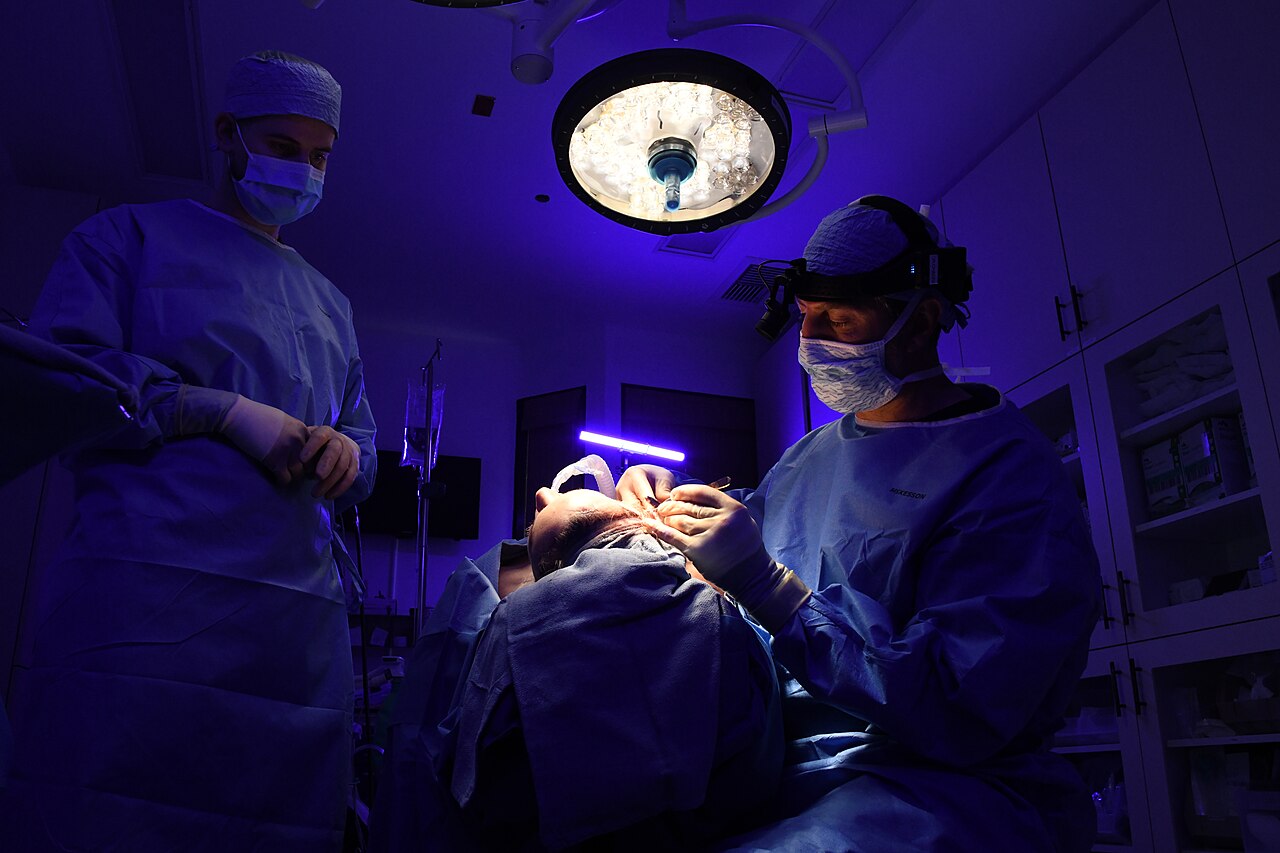
Cosmetic surgery is elective surgery intended to change appearance, proportion or age-related features rather than to treat an urgent disease. The best results come from matching the operation to the patient's anatomy and goals, using a properly qualified plastic surgeon, and accepting that every procedure exchanges one set of concerns for another - for example, improved contour in exchange for scars, recovery time and surgical risk.
International medical travel adds additional considerations. Patients must allow enough time for postoperative review before flying, avoid combining an excessive number of procedures merely to reduce travel costs, and understand who will manage wound problems, seroma, implant issues or other complications after returning home.
This guide covers common facial, breast and body-contouring procedures, but it does not assume that surgery is always appropriate. Non-surgical treatment, weight stabilization, smoking cessation, medical optimization or simply choosing not to operate can be the safer and more satisfying decision.
Deciding to change how you look is a personal decision, and it deserves calm, honest information rather than pressure or glossy promises. This guide is written to help you understand the questions that matter, ask for an honest assessment of what is achievable and recognize a qualified surgeon and a proper surgical facility. It does not promise outcomes; every body and every healing process is different.
For carefully selected patients, it can be. Cosmetic surgery is elective, so the aim is a realistic, safe improvement in proportion and contour, not perfection or a copy of someone else's appearance. Major Indian centres have experienced plastic surgeons and modern hospital facilities for facial, breast and body procedures, usually at a much lower private price than the USA, UK and Australia. But every operation leaves scars and carries risks such as bleeding, infection and blood clots, and flying soon after major surgery adds risk. Choose a formally trained plastic surgeon with procedure-specific experience and an accredited facility, avoid packing too many procedures into one trip, and allow enough days for review before flying. Send your history and goals for a remote consultation; any estimate stays provisional until you are examined.
| Topic | International-Patient Planning Point |
|---|---|
| Common facial surgery | Facelift/neck lift, rhinoplasty, blepharoplasty, brow lift and selected fat grafting |
| Common breast surgery | Augmentation, mastopexy, reduction and implant revision |
| Common body surgery | Liposuction, abdominoplasty, mommy makeover and post-weight-loss contouring |
| Core principle | Improve proportion and contour; surgery cannot guarantee perfection or a specific celebrity appearance |
| Scarring | All incisional surgery creates scars; location and maturation should be discussed before consent |
| Combined procedures | Can reduce total recovery episodes but increase operative time, physiologic stress and VTE risk |
| Smoking/nicotine | Important risk for wound-healing problems; cessation is commonly required |
| Major safety issues | Bleeding, infection, wound problems, DVT/PE, anesthesia events and procedure-specific complications |
| India stay | Often 7-21 days depending on procedure; major body contouring may require longer |
| India planning cost | Broadly US$1,500-10,000+ per procedure/combined pathway depending on complexity |
| Records to send | Medical history, medications and supplements, nicotine status, height and weight, previous operative reports and, when requested, standardized photographs |
| Major Indian hubs | Delhi NCR, Mumbai, Bengaluru, Chennai, Hyderabad and other metropolitan centres |
| Companion | Strongly advisable after major surgery such as abdominoplasty or body lift, and often helpful after facial and breast surgery, for mobility, drains, medicines and decisions |
- Part 1 - Why India and is surgery right for you
- Part 2 - Facial surgery
- Part 3 - Breast surgery
- Part 4 - Liposuction and abdominal surgery
- Part 5 - Post-weight-loss contouring and fat transfer
- Part 6 - Anesthesia, combining procedures and safety
- Part 7 - Scars, healing and revision
- Part 8 - Recovery and non-surgical alternatives
- Part 9 - Choosing your surgeon, facility and city
- Part 10 - Cost, packages and quotations
- Part 11 - Your journey: records, travel, visa and going home
- Part 12 - Tools: questions, candidacy, FAQ and checklist
Part 1Why India and Is Surgery Right for You
Why Do International Patients Choose India for Cosmetic Surgery?
Patients travel for cosmetic surgery for practical reasons, and the strongest ones are about reaching an experienced plastic surgeon at a price that does not force a compromise on safety:
- Lower cost. Private Indian hospitals often quote much less than self-pay prices in the USA, UK, Australia and other high-cost markets, although complications and revision can narrow the gap if they are not budgeted for.
- Experienced aesthetic surgeons. Established practices in major metropolitan centres perform facial, breast and body-contouring surgery regularly.
- Hospital-based care. Complex combined or revision cases can be done in hospitals with anesthesia teams, ICU access and emergency capability.
- Wide range of procedures. Facial, breast, body-contouring and revision surgery are available at larger centres.
- Time-efficient planning. A remote consultation can define a provisional plan before you travel, and examination in person confirms it.
- International patient support and English-speaking teams. Major hospitals typically help with appointments, hospital letters for visas, airport pick-up and accommodation guidance.
- Combined recovery and travel. Some patients value a private recovery period away from home, provided there is time for a safe postoperative review before flying.
- A plan you can review first. A remote consultation can tell you what is realistic, what cannot safely be achieved and whether surgery is advisable at all before you commit to travel.
Cosmetic surgery is never an emergency. If you have an active infection, unstable medical disease, uncontrolled diabetes, anemia, or you are unsure about your decision, postpone. Any urgent medical problem needs local care first, and no flight or package deal is a reason to proceed.
Low cost should be the beginning of your evaluation, not the end of it. The sections that follow explain how to judge whether surgery is right for you, how to check the surgeon and facility, and how to plan for scars, recovery and follow-up.
How Does India Compare with Other Medical Travel Destinations?
(Cosmetic and Aesthetic Surgery for International Patients in India)
Many patients also look at cosmetic surgery centres abroad before deciding. There is no single best country for every patient; the right choice depends on where you live, your goals and what you can verify about the surgeon and facility. These are the factors worth comparing:
| Factor | What to compare | How India generally fares |
|---|---|---|
| Cost | The full itemized package: surgeon, anesthesia, facility, implants, garments and exclusions | Often much lower than self-pay pricing in Western countries; implants and revision can narrow the saving |
| Surgeon qualification and experience | Recognized plastic-surgery training and annual volume of your exact procedure | Established aesthetic practices exist; always verify credentials and experience |
| Facility standards | Accredited facility, qualified anesthesia team, sterile systems and ICU access | Hospital-based care is available; a low-cost clinic is not the same as a full surgical facility |
| Revision policy | Who pays for revision, implants and the facility | Varies by surgeon and centre; ask in writing |
| Safe travel timing | Enough days for review and clearance before flying | Plan 7-21 days or more depending on the procedure |
| Language | Whether doctors and nurses communicate easily with you | English is widely used by medical teams in major Indian hospitals |
| Distance and flight time | Length of the flight and the 7-21 days or more you may need to stay | Depends on where you live: relatively close for patients from South Asia, the Middle East and East Africa, and a long-haul journey from the Americas and parts of Europe |
| Visa | Visa type, processing time and attendant visa rules | India has a dedicated medical visa system with attendant categories; always confirm current rules for your nationality |
| Follow-up | Who will manage wound problems or implant issues at home | Depends on the plan; ask for a defined pathway before you commit |
- Ask every destination for the same itemized written plan (the exact operation, implant model, facility, garments, stay and exclusions).
- Compare the surgeon's qualifications and the facility standard first and the price second.
- Compare the total trip cost - surgery, a contingency for complications or revision, flights, accommodation and a caregiver.
- Judge the surgeon's procedure-specific experience, not social-media popularity or the country on offer.
- Compare the follow-up plan: who will manage a wound problem, seroma or implant issue after you return home?
Cosmetic Surgery vs Reconstructive Plastic Surgery
Cosmetic surgery is primarily appearance-focused, while reconstructive surgery restores form/function after cancer, trauma, burns or congenital disease. The same plastic surgeon may perform both, but indications, goals and insurance/payment pathways differ. Guide 39 in this series addresses reconstructive plastic surgery separately.
Who Is a Good Candidate?
Good candidates are medically stable, understand limitations, have specific achievable goals and can follow postoperative restrictions. Weight should ideally be stable before major body contouring. Psychological readiness matters as much as anatomy.
When Surgery Should Be Deferred
Active infection, unstable medical disease, uncontrolled diabetes, significant untreated anemia, ongoing nicotine use for procedures with major flap-healing risk or unrealistic expectations can justify postponement. Pregnancy plans can also alter timing of breast/abdominal procedures.
Body Dysmorphic Disorder and Expectations
Patients preoccupied with minor or imperceptible defects may remain dissatisfied despite technically successful surgery. Surgeons should assess expectations and decline procedures when likely harm exceeds benefit. A second opinion can be valuable before irreversible surgery.
Preoperative Medical Assessment
Evaluation includes medical history, medications/supplements, allergies, prior anesthesia, bleeding/clotting risk and procedure-specific examination. Testing is tailored to age, health and operation. Routine excessive testing does not substitute for proper clinical assessment.
Smoking, Vaping and Nicotine
Nicotine constricts blood vessels and can markedly impair healing, particularly in facelift, breast lift/reduction and abdominoplasty flaps. Surgeons commonly require cessation before and after surgery. Nicotine replacement itself may be restricted by the operating surgeon.
Medication and Supplement Review
Anticoagulants, antiplatelets, NSAIDs and some supplements can increase bleeding, while hormonal medicines can affect thrombosis risk. Changes should be made only with the prescribing clinician and surgeon. Do not stop essential medicines independently.
Is Surgery Right for You? A Short Checklist
| Question | Why it matters | Who answers it |
|---|---|---|
| Are my goals specific and achievable? | Surgery cannot guarantee perfection or a specific appearance | The surgeon, in consultation |
| Am I medically stable? | Active infection, uncontrolled diabetes or anemia can justify postponement | Your physician and the surgeon |
| Can I stop nicotine? | Nicotine can markedly impair healing, particularly in flap-based surgery | You, with your doctor |
| Is my weight stable and are pregnancy plans settled? | Weight change and pregnancy can alter the result or the timing | The surgeon |
| Have I considered non-surgical options and a second opinion? | Alternatives and a second opinion can be valuable before irreversible surgery | You, with a qualified plastic surgeon |
Preparing Yourself Before Cosmetic Surgery (Prehab)
Preparation reduces risk. Always agree what is appropriate with your surgeon, and never let preparation delay urgent medical care:
- Stopping smoking, vaping and nicotine for as long as your surgeon requires, before and after surgery
- Reviewing medicines and supplements with your doctor and surgeon, without stopping essential medicines independently
- Keeping weight stable, and settling pregnancy plans before breast and abdominal surgery
- Controlling diabetes and blood pressure, and treating anemia or infection
- Gentle, regular activity such as daily walking, as advised by your team
- Writing down your goals and what bothers you, and standardized photographs if the surgeon requests them
- Planning a caregiver, accessible accommodation with an elevator, and help for the first days
- Preparing comfortable, loose clothing and any garments the surgeon prescribes
- Allowing enough time in India for review and fit-to-fly clearance before booking flights
Preparation should never delay urgent treatment. Your team will tell you if time is critical.
Part 2Facial Surgery for International Patients in India
Facelift
Facelift surgery repositions facial soft tissues and removes selected excess skin to improve jowls and lower-face laxity. Modern techniques address deeper layers rather than relying only on skin tension. It does not stop future aging.
SMAS and Deep-Plane Facelift Concepts
SMAS-based and deep-plane techniques manipulate deeper facial layers in different ways. The appropriate technique depends on anatomy and surgeon expertise rather than marketing labels. Facial nerve safety and natural vector control are essential.
Neck Lift
Neck rejuvenation can address platysma bands, submental fat and loose skin, often together with facelift. Liposuction alone is suitable only when skin elasticity is adequate. Severe laxity usually needs excisional lifting.
Facelift Risks
Hematoma, infection, skin necrosis, nerve weakness, hairline change, scarring and asymmetry can occur. Smoking and uncontrolled hypertension increase important risks. Temporary sensory changes are common.
Rhinoplasty
Rhinoplasty changes nasal shape and can also improve breathing when functional septal/nasal-valve problems are addressed. Planning must respect facial proportions, skin thickness and ethnic anatomy. Swelling can obscure the final result for many months.
Primary vs Revision Rhinoplasty
Revision rhinoplasty is more difficult because scar and cartilage depletion alter anatomy. Ear or rib cartilage may be needed for structural grafting. Patients should provide previous operative notes if available.
Functional Septorhinoplasty
When cosmetic concerns coexist with obstruction, septal deviation and nasal-valve dysfunction can be corrected during structural rhinoplasty. Functional goals should be documented separately from aesthetic preferences. Over-resection can worsen breathing.
Blepharoplasty
Upper eyelid surgery removes/repositions selected skin and fat; lower blepharoplasty treats bags and contour. The operation must preserve eyelid support and avoid an over-hollowed appearance. Dry eye and eyelid laxity require preoperative assessment.
Brow Lift
Brow lifting can improve brow descent and upper-face heaviness. Endoscopic, temporal and other approaches have different scar and elevation patterns. Not every apparent upper-eyelid excess requires eyelid skin removal alone.
Facial Fat Grafting
Processed autologous fat can restore selected facial volume. Some grafted fat survives permanently, while resorption and asymmetry are possible. Rare intravascular injection complications can be catastrophic, so anatomical expertise is critical.
Facial Procedures for International Patients in India - At a Glance
| Procedure | What it addresses | Key points to ask about |
|---|---|---|
| Facelift | Jowls and lower-face laxity by repositioning deeper tissues and removing selected skin | Which technique and why; facial nerve safety; scars and hairline |
| Neck lift | Platysma bands, submental fat and loose skin | Whether liposuction alone suffices or excisional lifting is needed |
| Rhinoplasty / septorhinoplasty | Nasal shape and, when needed, breathing | Facial proportions, skin thickness and over-resection risk; swelling lasts months |
| Revision rhinoplasty | Problems after earlier surgery | Whether ear or rib cartilage is needed; send previous operative notes |
| Blepharoplasty | Upper-eyelid skin and fat, and lower-eyelid bags | Dry eye, eyelid laxity and avoiding an over-hollowed look |
| Brow lift | Brow descent and upper-face heaviness | Endoscopic or temporal approach and scar pattern |
| Facial fat grafting | Selected facial volume restoration | Partial resorption, asymmetry and rare serious injection risks |
Part 3Breast Surgery for International Patients in India
Breast Augmentation
Breast implants increase volume and can alter shape. Implant selection considers width, projection, fill material, surface, placement plane and existing breast tissue. Implants are not lifetime devices.
Silicone vs Saline Implants
Silicone gel implants are commonly used for a natural feel; saline implants have different rupture behavior and availability. Regulatory status and model availability vary by country. The exact manufacturer/model should be documented.
Implant Placement Plane
Implants can be placed above or below pectoral muscle or using dual-plane concepts. Tissue thickness, animation risk, breast shape and activity influence choice. No single plane is best for every patient.
Breast Implant Safety
Patients should understand rupture, capsular contracture, malposition, infection, need for revision and uncommon implant-associated malignancies linked to particular implant types/surfaces. Long-term surveillance depends on implant type and local guidance.
Breast Lift / Mastopexy
Mastopexy reshapes and elevates sagging breasts by removing skin and repositioning tissue/nipple. It creates visible scars whose pattern depends on degree of lift. A lift changes shape more than volume.
Augmentation-Mastopexy
Combining implant augmentation with lift can address volume loss and ptosis, but the competing forces of tightening skin and adding implant weight increase planning complexity. Staged surgery can be safer in selected cases.
Breast Reduction
Reduction removes breast tissue and skin to improve disproportion, neck/back discomfort and skin irritation while reshaping the breast. Sensation and breastfeeding ability can change. Large reductions carry greater wound-healing risk.
Gynecomastia Surgery
Male breast enlargement may be treated with liposuction, gland excision or both after evaluating medications, hormones and other causes when indicated. Significant skin excess may require excision. Pathology may be appropriate for excised tissue.
Breast Procedures for International Patients in India - At a Glance
| Procedure | What it addresses | Key points to ask about |
|---|---|---|
| Breast augmentation | Volume and shape with implants | Exact manufacturer and model, placement plane, surface and long-term surveillance |
| Mastopexy (breast lift) | Sagging breasts, by removing skin and repositioning tissue and nipple | Scar pattern; a lift changes shape more than volume |
| Augmentation-mastopexy | Volume loss together with ptosis | Higher planning complexity; staged surgery may be safer |
| Breast reduction | Disproportion, neck and back discomfort and skin irritation | Effects on sensation and breastfeeding; wound-healing risk in large reductions |
| Gynecomastia surgery | Male breast enlargement, by liposuction, gland excision or both | Evaluation for medicines, hormones and other causes; pathology of excised tissue may be appropriate |
| Implant revision or removal | Rupture, capsular contracture, malposition or infection | Keep implant details and original operative reports |
Part 4Liposuction and Abdominal Surgery for International Patients in India
Liposuction
Liposuction removes localized subcutaneous fat to improve contour; it is not a primary treatment for obesity. Skin elasticity determines how well the skin contracts afterward. Large-volume liposuction increases fluid and safety considerations.
Power-Assisted / Ultrasound-Assisted Liposuction
Different technologies can assist fat removal, particularly in fibrous areas. Technology can improve efficiency but does not replace contour judgment and safe volume limits. Marketing terms should not determine surgeon choice.
High-Definition Liposuction
HD liposuction emphasizes muscular contours through selective superficial/deep fat removal. It requires appropriate anatomy and carries risks of irregularity if overdone. Very low body fat is not automatically a safe or desirable target.
Abdominoplasty / Tummy Tuck
Abdominoplasty removes lower abdominal skin/fat and can tighten rectus diastasis. It is more extensive than liposuction and creates a long lower-abdominal scar. Future pregnancy can compromise the result.
Mini vs Full Abdominoplasty
A mini-abdominoplasty treats limited lower-abdominal excess, while full surgery addresses broader skin laxity and often muscle separation. Umbilical repositioning is usually part of a full procedure. Selection depends on distribution of excess, not patient preference alone.
Lipoabdominoplasty
Combining liposuction with abdominoplasty can improve contour while preserving selected blood supply when performed with appropriate technique. Extent should be individualized. Long operative time and VTE risk must be considered.
Mommy Makeover
This term commonly describes combined breast and abdominal/body procedures after pregnancy. It is not one standardized operation. The safest plan may stage procedures rather than combining everything.
Liposuction and Abdominal Procedures for International Patients in India - At a Glance
| Procedure | What it addresses | Key points to ask about |
|---|---|---|
| Liposuction | Localized subcutaneous fat; not a treatment for obesity | Skin elasticity, safe volume limits and the fluid considerations of large volumes |
| Power- or ultrasound-assisted liposuction | Fibrous areas and efficiency | Technology does not replace contour judgment and safe volume limits |
| High-definition liposuction | Muscular definition by selective fat removal | Suitable anatomy, irregularity risk and avoiding very low body fat targets |
| Mini abdominoplasty | Limited lower-abdominal excess | Selection depends on distribution of excess |
| Full abdominoplasty | Broader skin laxity and muscle separation | Long scar, umbilical repositioning and the effect of future pregnancy |
| Lipoabdominoplasty | Combined liposuction and abdominoplasty | Operative time and VTE risk |
| Mommy makeover | Combined breast and abdominal or body procedures after pregnancy | Not one standardized operation; staging may be safer |
Part 5Post-Weight-Loss Contouring and Fat Transfer
Post-Weight-Loss Body Contouring
After major weight loss, excess skin may affect abdomen, breasts, arms, thighs and back. Procedures include lower body lift, brachioplasty and thigh lift. Weight and nutritional status should be stable before major contouring.
Lower Body Lift
Circumferential body lifting treats abdominal, flank, buttock and lower-back skin excess. It is major surgery with long scars and significant wound/VTE considerations. Careful patient selection and staging are important.
Brachioplasty
Arm lift removes upper-arm skin excess, often after weight loss. The trade-off is a visible scar along the arm. Lymphatic swelling and wound problems can occur.
Thigh Lift
Thigh lift treats medial thigh skin laxity and may be combined selectively with liposuction. Scar migration, wound breakdown and lymphatic issues are relevant risks. Extensive cases may be staged.
Fat Transfer to Breast or Buttock
Autologous fat can add selected volume but some resorption is expected. Fat grafting to the buttock has unique embolic safety concerns and requires strict anatomical technique. Patients should specifically ask how fat is injected and what safety protocol is used.
Gluteal Fat Grafting Safety
Fat entering large gluteal veins can cause fatal pulmonary fat embolism. Modern safety practices emphasize subcutaneous-only injection and may use real-time ultrasound guidance according to current standards. This is a procedure where surgeon technique and safety systems are especially important.
Post-Weight-Loss and Fat-Transfer Procedures for International Patients in India - At a Glance
| Procedure | What it addresses | Key points to ask about |
|---|---|---|
| Lower body lift | Abdomen, flank, buttock and lower-back skin excess | Long scars, wound and VTE considerations, and staging |
| Brachioplasty (arm lift) | Upper-arm skin excess | A visible scar along the arm; lymphatic swelling and wound problems |
| Thigh lift | Medial thigh skin laxity | Scar migration, wound breakdown and lymphatic issues; extensive cases may be staged |
| Fat transfer to breast | Selected added volume | Some resorption is expected |
| Gluteal fat grafting | Buttock volume | Strict subcutaneous-only technique, and the centre's safety protocol, because of embolic risk |
Part 6Anesthesia, Combining Procedures and Safety
Anesthesia
Operations range from local anesthesia/sedation to general anesthesia. Long combined procedures require careful fluid, temperature, airway and thrombosis management. Accredited operating facilities and qualified anesthesia teams are essential.
Combining Multiple Procedures in India
Combining operations can reduce repeated anesthesia and travel but increases operative duration, blood loss, recovery burden and thromboembolism risk. The safest number of procedures is individualized. Staging is often the better international-patient strategy.
DVT and Pulmonary Embolism
Body contouring, abdominoplasty, obesity, estrogen exposure and long flights can increase venous-thromboembolism risk. Mechanical measures, early walking and selective anticoagulant prophylaxis are used based on risk. Long-haul travel should not be scheduled too soon after major surgery.
Bleeding and Hematoma
Hematoma can compromise cosmetic results and sometimes requires urgent evacuation, particularly after facelift or breast surgery. Blood-pressure control and medication review reduce risk. Expanding swelling or severe one-sided pain needs prompt review.
Seroma
Fluid collections are common after abdominoplasty and large dissection. Drains, quilting/progressive-tension sutures or aspiration may be used. Repeated aspiration must be performed safely to avoid infection.
Infection
Most aesthetic procedures have low infection rates in appropriate patients, but implants and large wounds increase consequences. Redness, fever, drainage or worsening pain require evaluation. Implant infection can require removal.
Wound Breakdown and Skin Necrosis
Tension, poor perfusion, nicotine, diabetes and extensive combined surgery can impair healing. Small areas may heal with dressings; major necrosis can require debridement/reconstruction. Scar quality may be affected.
Safety Issues for International Patients in India - At a Glance
| Issue | What it can look like | What to ask or do |
|---|---|---|
| DVT and pulmonary embolism | Calf swelling, breathlessness or chest pain | Ask for an individual risk assessment and a plan before long-haul flights |
| Hematoma | Sudden one-sided swelling, rapidly expanding bruising or severe one-sided pain | Seek prompt review; blood-pressure control and medicine review reduce risk |
| Seroma | Fluid collection after abdominoplasty or large dissection | Ask how it is prevented and aspirated safely |
| Infection | Redness, fever, drainage or worsening pain | Seek evaluation; implant infection can require removal |
| Wound breakdown and skin necrosis | Dusky or black skin, or a wound that will not close | Stop nicotine; ask how it is treated |
| Anesthesia events | Airway, fluid, temperature and clot problems in long operations | Confirm the anesthesia team and an accredited facility |
Part 7Scars, Healing and Revision
Scars and Scar Maturation
Scars typically evolve over 12-18 months or longer. Genetics, skin type, tension and location influence hypertrophic/keloid risk. Silicone therapy, sun protection and selected injections/laser can improve problematic scars.
Pigmentation and Skin-Type Considerations
Darker skin types may have greater risk of post-inflammatory pigmentation or keloid/hypertrophic scars with some procedures. Treatment planning should respect individual skin biology. This does not preclude surgery.
Asymmetry and Revision
Perfect symmetry is biologically unrealistic. Revision can be considered for meaningful contour, scar, implant or functional problems after tissues stabilize. Patients should ask about revision policy and fees before surgery.
Scars, Pigmentation and Revision - At a Glance
| Topic | What to know | What to do |
|---|---|---|
| Scars | They evolve over 12-18 months or longer | Ask where they will be and how they mature; use silicone therapy and sun protection as advised |
| Darker skin types | Greater risk of post-inflammatory pigmentation and keloid or hypertrophic scars with some procedures | Discuss individual skin biology; this does not preclude surgery |
| Asymmetry | Perfect symmetry is biologically unrealistic | Ask what asymmetry is normal and what would justify revision |
| Revision policy | Revision is considered after tissues stabilize | Ask about fees, who pays for the facility and implants, and timing before surgery |
Part 8Recovery and Non-Surgical Alternatives
(Cosmetic and Aesthetic Surgery for International Patients in India)
Recovery After Facial Surgery for International Patients in India
Bruising/swelling commonly peaks early and improves over 1-3 weeks, while subtle edema and scar maturation continue longer. Social recovery and biological healing are not identical. Rhinoplasty swelling can persist for months.
Recovery After Breast Surgery for International Patients in India
Many patients return to light activity within days and desk work in roughly 1-2 weeks, but lifting/exercise restrictions continue longer. Support garments may be prescribed. Implant settling and scar maturation take months.
Recovery After Abdominoplasty / Body Lift
Patients walk flexed initially and gradually straighten as tension decreases. Drains may remain for days to weeks. Heavy activity is delayed and VTE prevention is important. Major contouring requires more recovery than liposuction alone.
Compression Garments
Garments can support comfort and swelling control after liposuction/body surgery, but excessive compression can impair skin or circulation. Duration varies by procedure. Follow the operating surgeon's fit and duration instructions.
Non-Surgical Alternatives
Botulinum toxin, fillers, energy-based skin treatments and medical weight management can address selected concerns without major surgery. Results and risks differ and may be temporary. Surgery is appropriate when structural change exceeds what non-surgical treatment can reasonably achieve.
Around Cosmetic Surgery: What to Expect
| Stage | What usually happens |
|---|---|
| Before surgery | Remote consultation and provisional plan, medical optimization and nicotine cessation, in-person examination, and final consent on the procedure, implants, scars and risks |
| Day of surgery | Local anesthesia with sedation or general anesthesia, depending on the operation, followed by dressings, garments or drains as the surgeon directs |
| First days | Rest, pain control, early walking, wound and drain checks, and monitoring for bleeding, infection and clots |
| Early recovery in India | Suture and drain removal as indicated, review for complications, activity advice and a fit-to-fly assessment, commonly after 7-21 days depending on the procedure |
| After you return home | Photographic and clinical follow-up at agreed intervals, scar care, activity restrictions and access to a local clinician for hands-on assessment |
Part 9Choosing Your Surgeon, Facility and City
(Cosmetic and Aesthetic Surgery for International Patients in India)
Choosing a Cosmetic Plastic Surgeon for International Patients in India
Verify recognized plastic-surgery training and substantial experience in the exact procedure. Review standardized before/after photographs, complication management and revision policy rather than social-media popularity alone. For implants, ask about manufacturer and long-term follow-up.
Choosing a Hospital / Surgical Facility
Major aesthetic surgery should be performed in an appropriately accredited facility with qualified anesthesia, sterile systems, emergency capability and access to hospital/ICU care when needed. A low-cost clinic is not equivalent to a full surgical facility.
Major Cosmetic Surgery Hubs for International Patients in India
Delhi NCR, Mumbai, Bengaluru, Chennai, Hyderabad and other metropolitan centres have established aesthetic plastic-surgery practices. Surgeon-specific expertise is more important than city branding. Complex combined or revision cases may benefit from hospital-based care.
Warning Signs of an Unreliable Offer
Medical travel works best when the information you receive is specific, itemized and clinically sensible. Be cautious if you see any of the following:
- A surgeon whose plastic-surgery training and credentials you cannot verify
- Selection based on social-media popularity or before-and-after photographs that are not standardized
- A cheap package at a clinic rather than an accredited surgical facility with emergency and hospital access
- Pressure to add more procedures to the same trip, or to combine procedures that are better staged
- Promises of a celebrity look, perfection, no scars or a guaranteed result
- No explanation of risks, scars, revision policy or who pays for complications
- Unnamed implants, or no manufacturer, model or long-term follow-up information
- A plan to fly home too soon after major surgery
- Pressure to decide or pay quickly
What a Good International Patient Service Should Provide
A well-run programme should make the journey easier and safer at every stage:
- A named coordinator and a direct line to the clinical team before you travel
- Review of your actual history by the surgeon, and a written provisional plan that states what is realistic and what cannot safely be achieved
- Honest discussion of alternatives, including non-surgical treatment, staging, and whether surgery is advisable at all
- Verified qualifications, procedure-specific experience and standardized before-and-after photographs
- An itemized written estimate with clear exclusions for complications, revision, implants and additional nights
- A hospital letter for your medical visa application, and guidance for attendant visas
- Airport pick-up, assistance on arrival and accessible accommodation near the hospital
- Interpreter support where needed
- An operative report, implant card, wound and drain instructions, scar-care and activity advice and a follow-up schedule when you leave
- A defined pathway after you return home, including photographic follow-up and who coordinates care if a complication occurs
Part 10Cost, Packages and Quotations
Indicative Cosmetic and Aesthetic Surgery Costs for International Patients in India
| Procedure | Broad International-Patient Planning Range |
|---|---|
| Rhinoplasty / septorhinoplasty | Approx. US$2,500-3,850+ |
| Facelift / neck lift | Approx. US$4,000-5,600+ |
| Blepharoplasty | Approx. US$1,500-2,450+ |
| Breast augmentation | Approx. US$3,500-4,550+ depending implant |
| Breast lift / reduction | Approx. US$3,000-4,200+ |
| Gynecomastia surgery | Approx. US$2,000-2,800+ |
| Liposuction | Approx. US$2,000-3,500+ depending areas/volume |
| Abdominoplasty | Approx. US$3,500-4,900+ |
| Mommy makeover / combined surgery | Approx. US$6,000-8,400+ depending procedures |
| Post-weight-loss body lift | Approx. US$6,000-8,400+ per major stage |
These are broad private international-patient planning estimates, not guaranteed tariffs. Implant brand, operating time, hospital category, number of body areas, revision complexity, overnight/ICU care and treatment of complications can materially change final cost.
What an Aesthetic Surgery Package Should Include
Request an itemized quotation covering surgeon, anesthesia, operating facility, hospital stay, implants where relevant, garments, drains, routine medicines and planned postoperative reviews. Clarify whether preoperative tests, pathology, revision, seroma aspiration, implant complications, additional nights or treatment of wound problems are excluded.
Factors That Increase Total Cost
Revision surgery, premium implants, combined procedures, long operating time, major post-weight-loss skin excision, overnight monitoring, transfusion, wound treatment and extended accommodation increase cost. A cheaper combined package is not a saving if it creates avoidable safety risk.
Cosmetic Surgery Cost - India vs USA, UK and Australia
| Representative Procedure | India | USA | UK Private | Australia Private | Approx. India Saving* |
|---|---|---|---|---|---|
| Rhinoplasty | $2.5k-3.85k+ | $10k-25k+ | $8k-15k+ | $10k-18k+ | Approx. 52-90% |
| Facelift / neck lift | $4k-5.6k+ | $15k-35k+ | $12k-25k+ | $15k-30k+ | Approx. 53-89% |
| Breast augmentation | $3.5k-4.55k+ | $8k-15k+ | $7k-12k+ | $8k-14k+ | Approx. 35-77% |
| Abdominoplasty | $3.5k-4.9k+ | $12k-25k+ | $9k-16k+ | $12k-20k+ | Approx. 46-86% |
| Combined mommy makeover | $6k-8.4k+ | $20k-45k+ | $15k-30k+ | $20k-35k+ | Approx. 44-87% |
*Broad private/self-pay comparisons only. Implant costs and exact procedure scope can narrow or widen savings. Compare equivalent operations, anesthesia/facility standards and complication coverage.
Budgeting for the Whole Pathway, Not Just the Operation
The operation is only one part of the budget. Ask for the surgical quotation, then add:
- A contingency for complications, revision, seroma or wound problems and extra hospital nights, which can materially raise the final bill
- Implants, garments and drains, if they are not in the package
- Pre-operative tests and pathology if they are not included
- Return flights for you and a caregiver, with flexibility to change dates if recovery is slow
- Accommodation with elevator access for the whole stay, commonly 7-21+ days depending on the procedure
- Local transport, airport transfers and meals
- Visa fees, travel insurance and any attendant visa costs
- Follow-up consultations and photographs at home, and any later staged procedure, which is usually separate from the package
Cosmetic Surgery Quotation Comparison Table
| Item | Centre A | Centre B |
|---|---|---|
| Exact procedure(s) | ||
| Surgeon qualification/volume | ||
| Anesthesia/facility | ||
| Implant brand/model | ||
| Hospital stay | ||
| Garments/drains | ||
| Pathology if relevant | ||
| Complication exclusions | ||
| Revision policy | ||
| Follow-up | ||
| Fit-to-fly timing | ||
| Expected India stay | ||
| Total pathway estimate |
Part 11Your Journey - International Patients in India: Records, Travel, Visa and Going Home
Remote Consultation Before Travel
Send medical history, medications, smoking/nicotine status, height/weight, prior surgery and the specific changes you want. Standardized photographs may be requested through a secure clinical channel for aesthetic assessment. A remote estimate remains provisional until physical examination.
How to Communicate Aesthetic Goals
Describe the features you want changed and what bothers you functionally or visually rather than asking to copy another person's face/body. Reference photographs can communicate preferences but cannot guarantee identical anatomy or outcome. Ask the surgeon to identify what cannot safely be achieved.
- Medical history and current medicines and supplements
- Smoking or nicotine status
- Height and weight, with weight history
- Previous surgery, with operative reports and implant cards
- A clear list of the changes you want
- Standardized photographs, only through a secure clinical channel and when requested
- Pregnancy plans, if relevant
- Passport copy
International Patient Treatment Journey
1) Remote consultation and provisional plan. 2) medical optimization/nicotine cessation. 3) travel and in-person examination. 4) final procedure/implant consent. 5) surgery. 6) early wound/drain review. 7) suture/drain removal as indicated. 8) fit-to-fly assessment. 9) home recovery. 10) photographic/clinical follow-up. Major combined procedures may justify a longer local stay.
How Long to Stay in India
Minor eyelid or limited procedures may need roughly 5-10 days. Rhinoplasty/breast surgery often merits 7-14 days; facelift or abdominoplasty commonly 10-21 days; extensive body lifts may require longer. Do not choose travel dates solely around visible bruising.
Flying After Cosmetic Surgery
Air travel should wait until the patient is mobile, hydrated, pain-controlled and free of early complications. Long-haul flying after abdominoplasty/body contouring raises DVT concerns and requires individualized clearance. Compression stockings or anticoagulation should be used only according to the surgeon's risk plan.
Hotels vs Medical Recovery
Choose accommodation with elevator access, clean bathroom, easy transport to hospital and space for a caregiver. After major abdominal/body surgery, climbing stairs or managing alone can be difficult. A medical complication should be treated in a hospital, not a hotel room.
Airline and Travel Practicalities After Cosmetic Surgery
Airline rules differ, so confirm each point with your airline before you fly:
| Topic | What to arrange |
|---|---|
| Fit-to-fly letter | Ask your surgeon for written clearance stating the operation and date, and carry it in hand luggage |
| Blood clots | Long-haul flying after body contouring raises clot risk; use compression or anticoagulation only according to your surgeon's plan, and walk regularly in flight |
| Garments and drains | Wear the prescribed compression garment, and do not fly with a drain in place unless your surgeon has cleared it |
| Implant card | Carry the implant card with the manufacturer, model and size, and keep it permanently |
| Luggage | Avoid lifting heavy bags; arrange porters or assistance, as lifting strains the wounds after breast and abdominal surgery |
| Medicines | Carry all medicines in hand luggage in original packaging with a prescription using generic names |
| Seat choice and assistance | An aisle seat helps movement; request wheelchair or airport assistance if you tire easily |
| Warning symptoms | Know that calf swelling, chest pain, breathlessness or sudden one-sided swelling needs urgent evaluation, before and during travel |
| Records | Carry the operative report, discharge summary, wound instructions and the contact details of the surgical team |
| Flexible tickets and insurance | Book a flexible return and check what travel insurance covers for surgical complications |
Accommodation and Companion
A caregiver is advisable after major surgery such as abdominoplasty, body lifts, facelift or combined procedures, and helpful after any operation for the journey, medicines, garments and appointments. Accommodation should have elevator access, be clean and close to the hospital, and be arranged for the whole stay so that fever, wound drainage or pain can be reviewed promptly.
Medical Visa and Travel Planning for International Patients in India
Confirm current Indian medical-visa requirements through official channels, including the attendant visa for your companion. Carry the hospital invitation, a medical summary, your records and your medicines, and keep the visa duration and return travel flexible, because slow healing, revision or complications can extend the stay.
Post-Return Follow-Up
Share standardized photographs and symptoms with the surgeon at agreed intervals while maintaining access to a local clinician for hands-on assessment. Implant cards and operative reports should be retained permanently. Remote follow-up cannot replace urgent local examination when complications are suspected.
Revision Timing
Minor asymmetry, swelling and scar firmness often improve over months. Elective revision is usually delayed until tissues stabilize unless there is an urgent functional or implant problem. Early reoperation can worsen scar and blood supply.
Arranging Your Follow-Up Care at Home Before You Leave
Set up your home team before you travel and confirm it again before you fly home:
| Who | Role |
|---|---|
| Local plastic surgeon or surgeon-approved clinician | Examines wounds and drains, and manages early problems in person while coordinating with the overseas surgeon |
| Emergency department with a named contact | Knows your operation, can assess a hematoma, infection, pulmonary embolism or tissue compromise quickly, using your records |
| Family doctor | Reviews symptoms and medicines, and coordinates referrals |
| Breast-imaging team | If you have implants, needs to know that implants are present so imaging technique can be adapted |
| Dermatology or scar care | Advises on scar maturation, silicone products and treatment of problem scars |
| Physiotherapist or lymphatic therapist | Supports mobility and swelling control after body contouring, where advised |
| Overseas surgical team | Photographic follow-up, review of progress and advice on the plan |
- Written fit-to-fly clearance
- Operative report and discharge summary
- Implant card with manufacturer and model
- Wound and drain instructions
- Scar care advice
- Activity restrictions and garment schedule
- Warning signs and emergency contacts
- Follow-up and photograph schedule
- DVT advice
- Name of the local clinician who will see you
Warning Signs
Urgent review is required for sudden unilateral swelling, rapidly expanding bruising, fever, wound drainage, severe increasing pain, shortness of breath, chest pain, calf swelling, skin turning dusky/black, persistent vomiting or implant exposure. Suspected hematoma, pulmonary embolism or tissue compromise requires prompt local care.
Sudden swelling on one side, rapidly expanding bruising, fever, wound drainage, severe increasing pain, breathlessness, chest pain, calf swelling, skin turning dusky or black, persistent vomiting or an exposed implant needs emergency care where you are. Tell the emergency team what surgery you have had, show your records, and contact your surgical team afterwards.
Part 12Tools - International Patients in India: Questions, Candidacy, FAQ and Checklist
Twenty Questions to Ask the Cosmetic Surgeon
- 1. Are you formally trained and qualified in plastic surgery?
- 2. How many of this exact procedure do you perform each year?
- 3. What change is realistically achievable in my anatomy?
- 4. What result should I not expect?
- 5. Where will the scars be and how do they mature?
- 6. Do I need to stop nicotine and for how long?
- 7. What anesthesia and surgical facility will be used?
- 8. What are your hematoma, infection and revision rates for this procedure?
- 9. What is my individual DVT/PE risk?
- 10. Should my procedures be combined or staged?
- 11. If an implant is used, what exact manufacturer/model is it?
- 12. What long-term implant surveillance will I need?
- 13. What happens if I develop a seroma or wound problem?
- 14. How long will drains or dressings remain?
- 15. When can I shower, work and exercise?
- 16. How long should I stay in India?
- 17. When is long-haul flying safe?
- 18. What is included/excluded in the quotation?
- 19. What is your revision policy and who pays facility/implant costs?
- 20. Who will coordinate care if a complication occurs after I return home?
Who Is a Good Candidate for Cosmetic Surgery Medical Travel?
A suitable international patient is medically stable, has realistic goals, can stop nicotine when required, has enough time for postoperative review before flying and has access to local care after return. Patients should have financial contingency for unexpected treatment rather than spending the entire budget on the advertised package.
When Medical Travel Is a Poor Choice
Travel is inappropriate when the patient has unstable medical disease, active infection, unresolved psychological concerns, cannot comply with nicotine restrictions or must fly home too soon after major surgery. Very extensive multi-procedure plans may be safer when staged across separate operations.
Frequently Asked Questions About Cosmetic and Aesthetic Surgery by International Patients in India
1. Is cosmetic surgery the same as plastic surgery?
Plastic surgery is the specialty; cosmetic surgery is the aesthetic portion, while reconstructive plastic surgery restores form/function.
2. Which cosmetic surgeries are commonly performed in India?
Rhinoplasty, facelift, eyelid surgery, breast surgery, liposuction, abdominoplasty, gynecomastia surgery and body contouring are common.
3. Can I combine several procedures in one trip?
Sometimes, but longer combined operations increase physiologic and thrombosis risk; staging can be safer.
4. Will cosmetic surgery leave scars?
Yes. Incisions create scars, though surgeons place them strategically and they usually fade with time.
5. Is robotic surgery used for cosmetic surgery?
It has limited roles; most aesthetic procedures do not become better merely by adding robotic technology.
6. Is liposuction a weight-loss operation?
No. It is a contouring procedure for localized subcutaneous fat.
7. Does a tummy tuck remove visceral fat?
No. It removes skin/subcutaneous fat and can repair muscle separation; internal visceral fat requires weight/metabolic treatment.
8. Can rhinoplasty improve breathing?
Yes when functional septal/nasal-valve problems are appropriately treated during septorhinoplasty.
9. Are breast implants permanent?
They have no mandatory fixed replacement date but are not lifetime devices and may eventually require revision.
10. Can breast implants affect screening?
They can alter imaging technique; patients should inform breast-imaging teams that implants are present.
11. What does rhinoplasty cost in India?
Broadly about US$2,500-3,850+ for many international-patient cases.
12. What does facelift surgery cost in India?
Broadly about US$4,000-5,600+ depending on extent and associated neck work.
13. What does abdominoplasty cost in India?
Broadly around US$3,500-4,900+ for many primary cases.
14. How much can India save?
Broad private comparisons often show roughly 30-75% or more savings depending on procedure, implant and facility.
15. How long should I stay in India?
Commonly 7-21 days depending on procedure; major body contouring may require longer.
16. When can I fly after surgery?
Only after the surgeon confirms adequate mobility, wound stability and acceptable thrombosis risk; major body surgery requires more caution.
17. How soon will I see the final result?
Initial changes are visible early, but swelling, implant settling and scars can continue evolving for months.
18. What if I dislike the result?
Allow normal healing before judging elective revision unless there is a medical problem. Ask about revision policy before surgery.
19. What records should I send before travel?
Medical history, medications, previous operative reports and standardized photographs through a secure pathway when requested.
20. What matters most when choosing a surgeon?
Recognized plastic-surgery training, procedure-specific experience, safe facility/anesthesia and transparent complication/revision management.
21. Can I travel alone for cosmetic surgery?
For a minor procedure some patients do, but a caregiver is advisable after major surgery such as abdominoplasty, body lifts, facelift or combined procedures. Help with the journey, medicines, garments and appointments is valuable in a foreign country.
22. What if the team says I am too unwell to travel?
Follow their advice. Unstable medical disease, active infection or inability to stop nicotine may mean surgery should wait, and elective surgery can always be postponed until you are safe.
23. Is a lower price a reason to choose a surgeon?
No. Compare the surgeon's training, procedure volume, the anesthesia and facility standards, and the revision policy first. A low package that excludes complications or revision can end up costing more.
24. Can my home clinician follow me after surgery?
Often yes, but only if they have agreed in advance and received the operative report, implant card and wound instructions. Confirm this before you leave India, and keep a plan for urgent in-person assessment.
Cosmetic Surgery Checklist for International Patients in India
Final Perspective
(Cosmetic and Aesthetic Surgery for International Patients in India)
Cosmetic surgery can produce meaningful improvements in proportion, contour and confidence, but it should remain elective, individualized and safety-led. Every operation has limitations, scars and potential complications. The most sophisticated plan may be to perform less surgery, stage procedures or decline an operation that cannot reliably meet the patient's expectations.
India offers experienced aesthetic plastic surgeons and modern hospital facilities at private self-pay costs that can be substantially lower than in the USA, UK and Australia. International patients should compare surgeon qualifications, exact procedure scope, implant details, anesthesia/facility standards, revision policy and safe postoperative travel timing - not price alone.
- 1. Mayo Clinic - Cosmetic surgery: https://www.mayoclinic.org/tests-procedures/cosmetic-surgery/about/pac-20385138
- 2. American Society of Plastic Surgeons - Why an accredited surgery center matters: https://www.plasticsurgery.org/news/blog/why-an-accredited-surgery-center-matters
- 3. Government of India - Indian Visa Online (e-Medical Visa and e-Medical Attendant Visa): https://indianvisaonline.gov.in/evisa/
Important Medical Note. This guide provides general educational information and does not replace individualized consultation with a qualified plastic surgeon. Procedure selection, aesthetic outcome, scar pattern, implant choice, complication risk, cost and travel timing depend on anatomy, health, smoking/nicotine exposure, previous surgery, medications and the complete in-person assessment.