
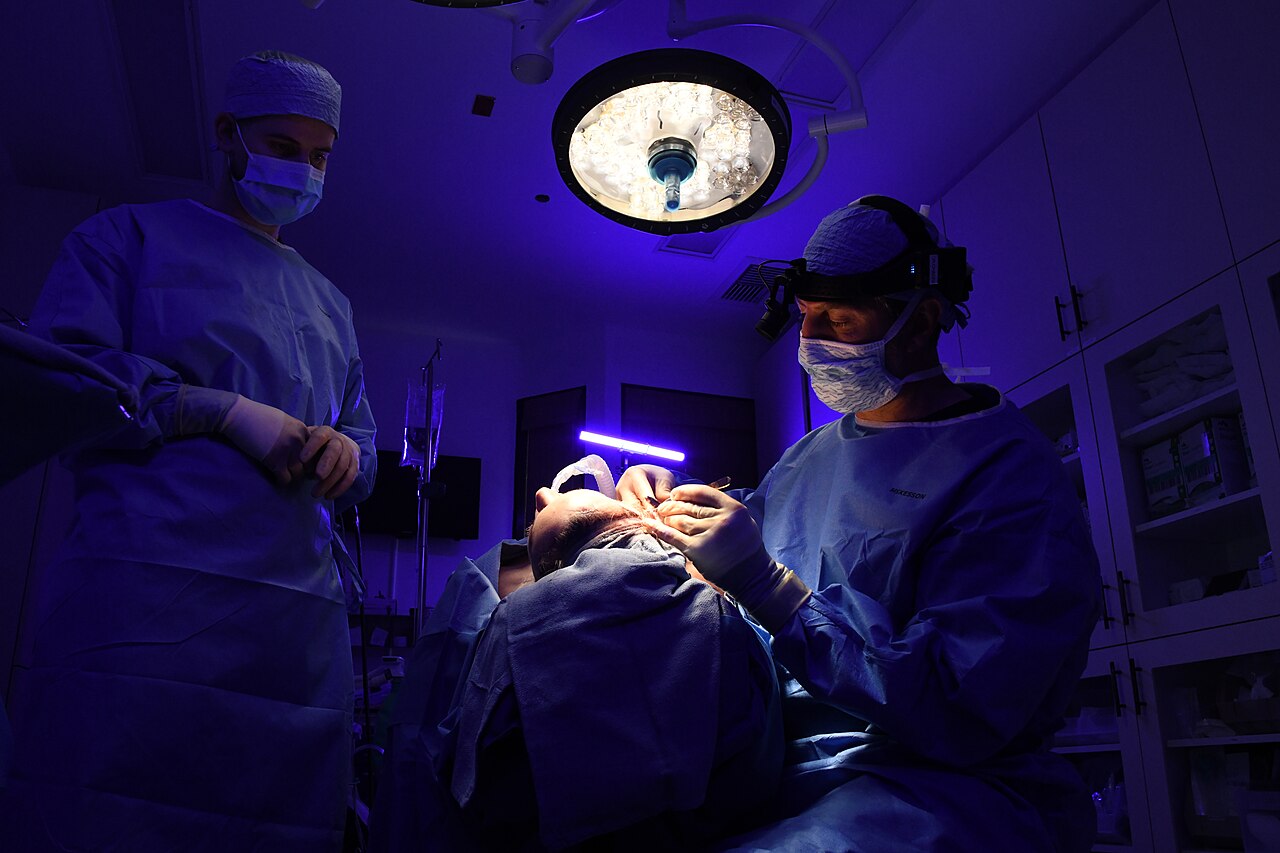
This page brings together the 75 questions international patients ask most often about Cosmetic and Aesthetic Surgery for International Patients in India. Each answer explains the clinical reasoning and ends with a Patient Decision Check you can take to your consultation.
Candidacy, Safety and Facial Aesthetic Surgery: Cosmetic and Aesthetic Surgery for International Patients in India
01. When should an international patient consider travelling to India for cosmetic or aesthetic surgery?
Elective aesthetic surgery may be reasonable when a specific appearance concern is persistent, the desired change is realistic, and the patient can safely undergo the selected operation. Common reasons include prominent nasal shape, breast asymmetry, loose abdominal skin after pregnancy, or excess skin following major weight loss. The decision differs from urgent medical treatment: there is usually time to compare alternatives and avoid pressure-selling. Photographs alone cannot establish suitability; a plastic surgeon should evaluate anatomy, skin quality, overall health and psychological readiness. Overseas care adds recovery, language, air-travel and complication-management considerations. The lowest quoted package should never replace qualified surgeon selection, appropriate facilities and a practical plan for follow-up at home.
Patient Decision Check: State the exact change you hope for, why now, and what outcome would still be acceptable; obtain an independent consultation and a realistic overseas recovery plan.
02. How can I determine whether my expectations for cosmetic surgery are realistic?
A technically successful operation can improve proportions or remove excess tissue without producing a perfect, symmetrical or permanently youthful appearance. Results are constrained by starting anatomy, scarring, skin elasticity, age and healing. Computer simulations and edited photographs illustrate a possible direction, not a guaranteed final result. A trustworthy consultation discusses what the procedure cannot change, trade-offs between scars and contour, and the possibility of revision. Patients requesting multiple rapidly changing alterations, or hoping surgery will repair relationships or resolve broader distress, may benefit from additional counselling before consenting. The surgeon should use ordinary photographs and a clear clinical examination rather than guaranteeing a celebrity's features.
Patient Decision Check: Ask the surgeon to identify three achievable improvements, three limitations and the most likely visible trade-offs in your own case.
03. Which medical conditions or medicines can make elective plastic surgery unsafe?
Uncontrolled diabetes, significant heart or lung disease, untreated anaemia, active infection, poorly controlled blood pressure and a history of blood clots can increase operative risk. Smoking or nicotine exposure impairs tissue blood flow; some medicines, including anticoagulants and selected hormonal therapies, affect bleeding or thrombosis planning. Nutritional deficiency is particularly important after bariatric surgery. Aesthetic procedures should be postponed if medical optimization is not possible or the benefits are too small compared with risk. Preoperative assessment may include blood tests, pregnancy testing when appropriate, anaesthesia review and specialist clearance. Never stop prescribed blood thinners or other treatments independently to meet a travel date.
Patient Decision Check: Submit a full diagnosis and medication list, including supplements and nicotine use; request written medical clearance and a medicine-management plan.
04. Is there an appropriate minimum age for cosmetic surgery in India?
Age requirements depend on the procedure, physical maturity, consent law and clinical indication. Most purely elective aesthetic operations are best evaluated in adults who can independently understand benefits and irreversible risks. In adolescents, continuing facial or breast development can alter outcomes, and concerns about peer pressure or body image deserve particular attention. A procedure that corrects a functional problem, congenital deformity or significant asymmetry may be evaluated differently from fashion-driven reshaping. A parent or guardian's approval does not replace the young person's informed assent and specialist evaluation. International families must also establish which consent and travel documents are legally required in India and their home country.
Patient Decision Check: Confirm physical maturity, legal consent requirements, the reason to operate now and whether waiting would offer a safer or more predictable result.
05. What examinations and reports should I send to India before requesting a cosmetic surgery opinion?
Begin with recent photographs taken without filters in standardized front, side and three-quarter views, a description of the desired change, previous procedure records and a concise medical history. Add height, weight trends, smoking status, allergies, medicines, previous anaesthesia issues and any relevant medical investigation. Rhinoplasty may need nasal airway assessment or CT only when clinically indicated; breast surgery may need age- and risk-appropriate imaging; major body contouring may require nutritional and clot-risk evaluation. Photographs cannot show every skin, structural or functional concern, so a final in-person examination is necessary. Patients should not pay a nonrefundable surgery deposit based solely on a messaging-app image review.
Patient Decision Check: Create a secure folder of unedited photographs, prior operative notes, health records and current medicines; ask which decisions remain provisional until examination.
06. How do I confirm that an Indian surgeon is appropriately qualified for my aesthetic operation?
Check the doctor's registration with the appropriate Indian medical authority, recognized plastic-surgery specialist training, current hospital privileges and experience with the exact proposed procedure. Training titles such as MCh or DNB in plastic surgery should be verified rather than assumed from marketing. For rhinoplasty or complex facial procedures, relevant specialist experience and documented cases are crucial. Ask who actually performs the critical operative steps, how complications are managed, and whether the surgeon practices in a licensed facility with anaesthesia and emergency support. Society membership may provide additional information but is not a substitute for credential verification. Before-and-after photographs should be authentic, consented and comparable.
Patient Decision Check: Verify registration, specialist qualification, procedure-specific experience and operating privileges directly; avoid choosing solely from social-media popularity.
07. Can a cosmetic procedure be combined with other operations during one trip to India?
Combining treatments can reduce repeated hospital visits, but longer anaesthesia, larger operative areas, blood loss, immobility and more difficult rehabilitation can increase risk. For example, simultaneous abdominoplasty, extensive liposuction and breast surgery may strain recovery and make early long-distance travel unsafe. The surgeon should evaluate cumulative operating time, personal clot risk and the need for overnight monitoring rather than quote a simple bundle discount. Some combinations are reasonable in selected healthy patients; others should be staged, especially after major weight loss or in patients with medical conditions. A second anaesthetic on another date may sometimes be safer than a prolonged single session.
Patient Decision Check: Request one written risk assessment for the combined operation and a separate staged-surgery alternative, including total recovery and cost differences.
08. What psychological and body-image factors should be assessed before elective aesthetic surgery?
A patient should seek a clear physical change for personal reasons and understand that surgery does not guarantee improved happiness, relationships or confidence. Intense preoccupation with a minor or unobservable feature, repeated dissatisfaction after technically adequate operations, or distress driven by others can signal that psychological assessment is useful. This is not a reason to dismiss the person's concerns; it is a safeguard against irreversible surgery that may not address the underlying problem. Responsible surgeons may decline or defer procedures when expectations are unsafe or inconsistent. International patients deserve enough consultation time, privacy and freedom to reconsider without losing excessive nonrefundable payments.
Patient Decision Check: Ask whether the surgeon would advise waiting or counselling in your situation and ensure consent is free from partner, family or sales pressure.
09. What is the difference between cosmetic surgery, reconstructive surgery and non-surgical aesthetic treatment?
Cosmetic surgery primarily changes appearance, such as elective rhinoplasty, breast lifting or facial rejuvenation. Reconstructive surgery addresses consequences of injury, cancer, congenital differences or functional impairment, though appearance remains important in both. Injectable fillers, neuromodulators, lasers and selected energy-based treatments may improve particular concerns without a major operation, but their results and risks are different. A nonsurgical option is not automatically safer, cheaper over time or appropriate for a structural defect. Treatment should begin with the actual anatomical concern, not a device or marketing label. Insurance and medical-visa considerations also vary depending on whether treatment is considered elective, functional or reconstructive.
Patient Decision Check: Ask whether a non-surgical method can meet your goal and what would be lost or gained by choosing an operation instead.
10. Why is the choice of hospital or surgical facility as important as the cosmetic surgeon?
Elective operations still require safe anaesthesia, sterile instruments, trained recovery nurses, resuscitation equipment, blood access and an effective response to unexpected bleeding or airway difficulty. A beautiful clinic interior does not establish adequate emergency capability. Ask whether surgery occurs in a hospital or appropriately licensed ambulatory facility, whether an anaesthesiologist is present, and how overnight admission or transfer is handled. Complex or prolonged procedures may warrant hospital-based care even if day surgery is advertised. Review infection-control protocols, emergency contacts and whether the facility carries out regular safety audits. International patients should know exactly where complications will be treated rather than being referred elsewhere after hours.
Patient Decision Check: Request the operating facility's name, accreditation or licensing details, anaesthesia staffing and written emergency-transfer arrangements before paying.
11. What is the difference between cosmetic rhinoplasty and functional septorhinoplasty?
Cosmetic rhinoplasty changes nasal appearance, including bridge height, tip projection, width or asymmetry. Functional septorhinoplasty also addresses impaired breathing caused by a deviated septum, valve collapse or other structural problems. The operations may overlap, but a narrow-looking nose is not necessarily a well-functioning airway. A surgeon should examine the outside and inside of the nose, document breathing symptoms and assess whether grafts are needed to preserve support. Nasal swelling can last months, so the appearance at two weeks does not indicate the final outcome. International patients should receive one plan separating aesthetic goals, breathing goals, potential graft sources and the likelihood of revision.
Patient Decision Check: Ask for a functional airway assessment and have the surgeon explain how the proposed cosmetic changes will preserve or improve breathing.
12. Should I choose open or closed rhinoplasty, and when are cartilage grafts necessary?
Open rhinoplasty uses a small external incision between the nostrils, while closed rhinoplasty uses internal incisions. Neither technique is inherently superior: the choice depends on the extent of tip work, asymmetry, previous operations and the surgeon's experience. Cartilage grafts from the septum, ear or occasionally a rib can be used to rebuild support, improve nasal valves or address deficiencies. Grafting adds donor-site concerns and should be explained in advance. Revision noses and severe deformities may demand more extensive exposure than simple bridge refinement. The key outcomes are stable structure, acceptable breathing and agreed aesthetic proportions, not an advertised incision technique alone.
Patient Decision Check: Clarify the planned approach, graft source, donor-site scar and expected effects on nasal support and breathing.
13. How long does swelling last after rhinoplasty, and when is the final nose shape visible?
Bruising and visible swelling often improve substantially during the first several weeks, but subtle tip swelling can continue for many months and occasionally more than a year, particularly after extensive tip work or thick skin. A splint is commonly removed within the first one to two weeks, according to the operative plan. The nose should not be judged by early photographs or subjected to repeated aggressive massage without instruction. Bleeding, fever, worsening unilateral pain or impaired breathing deserves prompt assessment. For overseas patients, the return itinerary should allow splint and early wound review, while longer-term shape assessment can use standardized photographs and a planned local consultation.
Patient Decision Check: Ask when splint removal, early review and later photographic assessments will occur; avoid booking a flight before the surgeon approves recovery.
14. When is revision rhinoplasty necessary after an unsatisfactory previous nose operation?
Revision rhinoplasty may address breathing impairment, collapse, asymmetry, excessive removal of cartilage or a persistent cosmetic concern. It is often more difficult than first-time surgery because scar tissue distorts planes and usable septal cartilage may be limited. Some complaints improve as swelling resolves, so revision for appearance is often deferred until healing is sufficiently mature unless there is a compelling functional reason to act sooner. A careful surgeon reviews original operative notes and may recommend cartilage grafts and functional testing. Neither computer simulation nor a more expensive technique guarantees symmetry. Patients travelling abroad should budget for a longer consultation and accept the possibility that complete correction is not achievable.
Patient Decision Check: Send the first operation's records and current breathing symptoms; ask whether waiting, grafting or a nonoperative alternative is more appropriate.
15. Can a facelift or neck lift correct sagging skin, and how long do results last?
A facelift repositions selected facial tissues and removes excess skin to improve jowls and lower-face contours. Neck lifting can address bands, loose neck skin and selected fat deposits. These procedures do not stop ageing, eliminate every wrinkle or replace treatment for pigmentation and skin texture. The extent of the dissection, tissue quality, smoking history and surgeon experience affect complications and durability. Facial nerve injury, haematoma, poor healing and conspicuous scars are important risks. Rather than promise a fixed ten- or fifteen-year result, the surgeon should explain likely improvement, the expected scar locations and whether a more limited operation might meet the patient's goals.
Patient Decision Check: Discuss the exact face and neck areas being treated, scar placement, nerve and haematoma risks, and what ongoing ageing will change.
16. Is a deep-plane facelift better than a standard SMAS facelift for international patients?
Deep-plane and SMAS-based facelifts describe different ways of mobilizing or tightening facial tissues. Neither label alone predicts a safer or more attractive result, and advertised superiority may reflect case selection and marketing rather than direct comparative evidence. More extensive dissection can demand specific expertise and careful nerve protection. A skilled surgeon may choose a limited SMAS approach for one person and deeper tissue release for another based on anatomy and goals. Recovery, swelling and bruising vary; a technically elegant operation can still produce unnatural tension or visible scars. Patients should compare surgeon-specific experience, photographs of similar patients and detailed complication counselling rather than purchasing a branded technique.
Patient Decision Check: Ask why the surgeon recommends that plane of dissection for your facial anatomy and request examples with similar skin quality and age.
17. What are the benefits and risks of upper and lower eyelid surgery?
Upper blepharoplasty removes or repositions selected eyelid skin and fat, while lower eyelid surgery treats puffiness, skin excess or contour irregularity. Some patients have true eyelid drooping that requires a different procedure, and others have dry eye or poor lower-lid support that raises risk. Excessive tissue removal can cause difficulty closing the eyes, dryness, retraction or an altered appearance. The surgeon should assess tear film, eye protection, lid laxity and previous eye surgery; an ophthalmology opinion may be needed. Bruising generally improves over weeks, but final scar maturation takes longer. A small incision does not eliminate important functional eye risks.
Patient Decision Check: Request examination of dry-eye symptoms, lid support and eye closure, and ask what measures prevent lower-lid retraction or exposure.
18. Can surgery correct prominent ears, a weak chin or concerns about facial balance?
Otoplasty can reshape or reposition prominent ears; chin augmentation or genioplasty changes lower-face projection. Selecting a procedure requires examination of skeletal proportions, bite, soft tissues and the patient's objective rather than evaluating one feature in isolation. A small chin may coexist with an underlying jaw relationship or airway problem that a simple implant will not correct. Ear surgery can leave asymmetry, altered sensitivity or cartilage-related recurrence; chin surgery introduces nerve and implant or bone-healing considerations. Facial balance does not require perfect symmetry, and unfiltered photographs from several angles help establish achievable goals. The surgical plan should distinguish cosmetic camouflage from correction of a structural jaw issue.
Patient Decision Check: Ask whether your concern is caused by skin, cartilage, bone or dental position and whether the proposed operation addresses the actual source.
19. Is buccal fat removal suitable for everyone seeking a slimmer face?
Buccal fat removal reduces selected cheek fat through an intraoral incision, but it is poorly suited to some patients, especially those with naturally narrow faces or a tendency toward age-related hollowing. A youthful round face may become thinner over time without surgery, while excessive removal is difficult to reverse predictably. Risks include infection, asymmetry, injury to facial nerve branches or the parotid duct and unwanted gauntness. Facial fullness may also reflect jawbone shape, body fat or salivary structures rather than buccal fat. Overseas patients should be wary of package deals that add this procedure without a careful long-term facial analysis.
Patient Decision Check: Ask how your cheeks are likely to change with age and what correction would be possible if removal produced an overly hollow appearance.
20. Can facial fat grafting improve volume loss, and how predictable is fat survival?
Facial fat grafting transfers the patient's own processed fat from a donor site to areas such as cheeks or temples. Some transferred fat survives long term, while a variable portion is reabsorbed, making exact volume prediction difficult. Overfilling, contour irregularity, fat necrosis and asymmetry are possible, and repeat treatment may be required. Very rarely, intravascular fat injection can cause devastating complications; injection anatomy and experienced technique are critical. Donor-site bruising adds recovery beyond the face. Candidates with significant skin laxity may need lifting rather than volume alone. International patients should compare fat grafting with carefully selected fillers and surgery according to tissue quality, risk and desired durability.
Patient Decision Check: Ask about likely volume retention, safe injection technique, donor-site consequences and how overcorrection or asymmetry would be managed.
Breast Surgery and Implant Safety: Cosmetic and Aesthetic Surgery for International Patients in India
21. How do I choose between breast augmentation with implants and fat transfer?
Implants offer a more predictable range of volume increase but introduce a medical device that may require future imaging, replacement or removal. Fat transfer uses the patient's own fat and can create smaller, subtler changes, but survival is variable and adequate donor fat is necessary. Multiple grafting sessions may be needed; fat necrosis or oil cysts can complicate imaging. The choice should consider skin envelope, asymmetry, breast screening needs, desired size and willingness to accept device-related risks. Neither approach guarantees identical breasts or eliminates future surgery. Patients should have a consultation that explains incision, scars, donor sites, future pregnancies and long-term maintenance rather than judging by a single before-and-after photograph.
Patient Decision Check: Request side-by-side expected size ranges, scars, revisions and lifetime monitoring needs for implants versus fat transfer.
22. Are silicone and saline breast implants equally safe, and which surface should I choose?
Silicone gel and saline implants differ in feel, rupture detection and available designs; neither eliminates capsular contracture, infection or the possibility of additional surgery. Surface texture is an important separate issue because breast implant-associated anaplastic large cell lymphoma (BIA-ALCL) occurs more frequently with textured implants than with smooth-surfaced devices. Patients should also be informed about other rare reported capsule-associated malignancies and uncertain systemic symptoms. Device approval and availability differ by jurisdiction, so a brand used abroad should not be assumed to have the same regulatory status in India. A surgeon should explain implant dimensions, surface, placement, known safety alerts and manufacturer documentation.
Patient Decision Check: Obtain the exact implant brand, model, fill, surface and safety information, and ask why that design is preferable to a smooth alternative.
23. What is capsular contracture after breast augmentation, and can it be prevented?
The body normally forms a thin scar capsule around an implant. Capsular contracture occurs when that scar tightens, making the breast firm, distorted or painful. It can develop months or years after surgery, and its causes are multifactorial, including factors related to bleeding, inflammation and bacterial contamination. Good surgical technique and infection prevention may reduce risks, but no method guarantees that contracture will not occur. Symptomatic contracture may require implant exchange, capsule surgery or removal. Patients should understand that revision carries new operative risk and cost. This concern is relevant to the entire implant lifespan, not merely the short period covered by a medical-travel package.
Patient Decision Check: Ask for the surgeon's contracture-management plan, follow-up schedule and whether a later implant exchange would be a separate charge.
24. How long do breast implants last, and what imaging is required after surgery?
Breast implants are not lifetime devices with a fixed expiration date. Some function for many years; others require earlier surgery for rupture, capsular contracture, change in appearance or other complications. US FDA guidance for asymptomatic silicone gel implants recommends ultrasound or MRI initially at approximately five to six years and every two to three years thereafter; symptoms can require earlier investigation. Saline rupture is often apparent clinically. These recommendations do not replace age-appropriate breast cancer screening. International patients should receive implant cards and arrange surveillance at home. A warranty may cover only specific device defects, not hospital, anaesthesia, travel or revision fees.
Patient Decision Check: Keep the device card and operative note; ask who will arrange rupture surveillance and what exactly the manufacturer's warranty covers.
25. What are BIA-ALCL, breast implant illness and other rare implant-related concerns?
BIA-ALCL is an uncommon lymphoma associated principally with the scar capsule or fluid around breast implants, with greater risk reported for textured devices. Late swelling, a new mass, persistent pain or a sudden change in breast shape requires clinical assessment rather than reassurance by photograph. Rare reports also involve squamous cell carcinoma and other lymphomas in the capsule. Some people report systemic symptoms termed breast implant illness, but a consistent causal mechanism and individual risk remain uncertain. These concerns should be discussed without suggesting that all implant recipients will become ill or that routine removal is advised in asymptomatic patients. Evaluation may involve imaging, fluid sampling and pathology.
Patient Decision Check: Ask about surface-specific cancer risk, warning symptoms, home-country investigation access and the plan if late swelling occurs.
26. When is a breast lift preferable to implants, and can both procedures be combined?
A mastopexy, or breast lift, raises and reshapes breast tissue when the main problem is drooping or displaced nipple position. An implant adds volume but does not reliably correct significant loose skin by itself. Some patients benefit from a combined lift and augmentation, though two techniques increase complexity and potential wound-healing or implant-related complications. The surgeon should assess skin elasticity, breast volume, nipple position, asymmetry and scar tolerance. Vertical, periareolar or anchor-pattern scars may be necessary to obtain lasting shape. Patients planning pregnancy or major weight change should discuss how these events could alter results. A larger implant is not a substitute for careful lifting design.
Patient Decision Check: Ask whether lift alone would meet your goals, where scars will lie and whether separating lift and augmentation would lower your risk.
27. Can breast reduction relieve physical symptoms as well as change appearance?
Breast reduction removes and reshapes breast tissue in patients troubled by disproportionate volume, shoulder or neck symptoms, skin irritation or difficulty exercising. It can offer functional benefit as well as improved proportions, although complete resolution of musculoskeletal pain is not guaranteed. The operation creates permanent scars and can affect nipple sensation, wound healing and the ability to breastfeed. Very large reductions may require special techniques that change these risks. The surgeon should assess body habitus, breast skin quality, preoperative imaging where appropriate and the patient's ideal size in realistic terms. For overseas patients, drains, dressings and a support garment must be considered before travel.
Patient Decision Check: Ask what reduction size is safely achievable, how nipple sensation and breastfeeding might change, and whether a functional indication affects insurance coverage.
28. What should a patient know about gynecomastia surgery for male chest enlargement?
Gynecomastia describes glandular breast enlargement in males and may occur with fatty tissue accumulation. Persistent enlargement should be assessed for medication effects, endocrine conditions, weight change or other causes before surgery; a new hard or asymmetric mass needs appropriate evaluation. Liposuction may treat excess fat, while firm glandular tissue often requires direct excision, sometimes combined with liposuction. Significant skin excess can require additional scars. Risks include contour dents, asymmetry, haematoma, altered nipple sensation and recurrence if the underlying cause persists. Cosmetic advertisements that promise a scarless chest should be approached cautiously. Postoperative compression and avoidance of strenuous upper-body activity are important.
Patient Decision Check: Request confirmation of gland versus fat, any indicated laboratory investigation, the incision plan and how contour defects would be managed.
29. Can breast surgery be performed safely after pregnancy or while planning more children?
Pregnancy, breastfeeding and future weight changes can alter breast size, skin elasticity and symmetry after cosmetic surgery. Elective augmentation, reduction or lifting is usually planned after breastfeeding has ended and breast size has stabilized, although exact timing depends on clinical assessment. A surgeon should discuss whether the chosen incision or extent of glandular removal may affect future breastfeeding, and whether additional lifting might eventually be needed. Implants do not reliably prevent age- or pregnancy-related drooping. Patients who plan another pregnancy soon may prefer to postpone surgery to protect the value of their results. Pregnancy testing and anaesthesia planning are essential before an elective procedure.
Patient Decision Check: Share future pregnancy and feeding plans; ask whether waiting until family size is complete would improve predictability.
30. What happens if I need breast implant removal or revision surgery years later?
Implant revision may be indicated for rupture, painful contracture, displacement, size change, infection or suspicious late swelling. Depending on the diagnosis, the surgeon may remove the implant, exchange it, alter the pocket, treat the capsule, or combine removal with a lift. A complete capsule removal is not automatically required for every asymptomatic patient; the extent depends on disease and operative risk. Revision can be more complicated than the original operation because tissues are stretched or scarred. Patients considering India for an initial augmentation should already know who could evaluate and treat problems at home. The manufacturer warranty and hospital package often exclude substantial future costs.
Patient Decision Check: Ask for a written long-term revision pathway and which implant, hospital and surgeon costs would remain your responsibility.
Body Contouring, Hair, Skin and Injectables: Cosmetic and Aesthetic Surgery for International Patients in India
31. Is liposuction an appropriate weight-loss treatment, and which patients benefit most?
Liposuction removes selected deposits of subcutaneous fat to reshape areas such as the abdomen, flanks or thighs. It is not a reliable treatment for generalized obesity, visceral fat, metabolic disease or major loose skin. The best candidates generally have a relatively stable weight and skin that can retract after fat removal. The procedure can produce irregular contours, persistent swelling, numbness, fluid collections and serious complications when extensive. Removing more fat is not automatically better or safer. Patients should be assessed for anaemia, clot risk, previous scars and realistic shape goals. If the main concern is excess skin or abdominal muscle separation, liposuction alone may disappoint.
Patient Decision Check: Ask whether your concern is subcutaneous fat, internal abdominal fat or loose skin, and whether weight stabilization should precede treatment.
32. What are the differences between traditional, power-assisted, ultrasound-assisted and laser liposuction?
Liposuction technologies differ in how fat is loosened or suctioned, but all require skilled control of depth, fluid balance, contour and tissue protection. Power assistance may reduce the physical effort required for certain areas; ultrasound or laser-based devices add energy, introducing possible heat-related burns or tissue injury. A branded machine cannot guarantee smoother contours, skin tightening or a shorter recovery. Skin quality and the surgeon's technique are often more influential than device selection. The operation should be explained by anatomical area, planned fat removal, tumescent fluid management and anaesthesia, not merely by the energy platform. Different technologies also change consumables and quotation details.
Patient Decision Check: Ask what advantage the recommended technology offers for your particular area and how thermal injury or contour irregularity will be prevented.
33. When is a tummy tuck preferable to liposuction for loose abdominal skin?
Abdominoplasty removes excess abdominal skin and may tighten stretched abdominal fascia when indicated; liposuction primarily reduces subcutaneous fat. Someone with substantial skin laxity, an overhanging apron or marked abdominal wall separation may benefit more from abdominoplasty than from fat removal alone. A tummy tuck creates a longer scar and may involve repositioning the navel, drains or progressive-tension closure. It also carries risks of wound breakdown, seroma, blood clots and impaired skin blood supply, particularly in smokers. Pregnancy and large future weight changes can undermine the result. Overseas patients should allow substantially more recovery time than advertisements for a short-stay cosmetic package imply.
Patient Decision Check: Ask whether fascial repair is planned, where the scars will lie, how drains are managed and whether your weight should stabilize first.
34. What is diastasis recti repair, and can it be performed with abdominoplasty?
Diastasis recti is separation of the abdominal rectus muscles along the midline rather than necessarily a true hernia. It may occur after pregnancy or weight change and can contribute to abdominal bulging. During selected tummy tuck operations, the surgeon can tighten the abdominal fascia to improve contour, but the operation should not be presented as a guaranteed cure for back pain or pelvic symptoms. A true ventral or umbilical hernia requires separate assessment and sometimes a different repair strategy. Imaging is not always required for simple diastasis, but suspected hernia or complex prior surgery may justify it. Recovery restrictions can be longer after fascial repair.
Patient Decision Check: Confirm whether you have diastasis, a hernia or both, and ask whether a general surgeon and additional surgical costs are needed.
35. Can a mommy makeover safely combine breast and abdominal procedures?
A so-called mommy makeover is not a single standardized operation; it may combine abdominoplasty, liposuction, breast lift or augmentation. Suitability depends on health, body mass index, recent childbirth, breastfeeding status, anaemia, smoking and the cumulative length and extent of surgery. Combining breast and abdominal incisions can restrict comfortable movement and make infant care impossible without help for a period. Serious concerns include blood clots, wound problems and increased fatigue; some patients are safer with staged operations. A surgeon should explain exactly which components are necessary and which are optional. International patients need a realistic childcare, companion and prolonged-recovery arrangement.
Patient Decision Check: Request a combined-versus-staged comparison that includes clot prevention, ability to care for children, expected admission and safe travel timing.
36. When are arm lifts, thigh lifts or lower-body lifts needed after major weight loss?
After substantial weight loss, the amount of skin remaining can be more important than the amount of residual fat. Brachioplasty, thigh lifting or circumferential lower-body lifting removes and reshapes selected folds that cause discomfort, hygiene difficulties or unwanted contour. These procedures involve long scars, possible fluid collections, delayed healing and sometimes significant blood loss. Weight should be stable and nutritional deficiencies corrected before surgery, particularly after bariatric operations. Multiple regions may require staged treatment to reduce operative burden and protect mobility. Patients should compare scar trade-offs with the expected contour improvement and consider follow-up at home because minor wound openings can persist after discharge.
Patient Decision Check: Confirm weight stability, protein and micronutrient assessment, scar location and which body region should be treated first.
37. Is a Brazilian butt lift or gluteal fat transfer a high-risk cosmetic procedure?
Gluteal fat grafting has particular safety concerns because fat introduced into or below gluteal muscles can enter major veins and cause potentially fatal pulmonary fat embolism. Contemporary multisociety guidance emphasizes injection only in the subcutaneous plane, careful technique and real-time ultrasound to verify cannula position. Ultrasound is a useful safety measure, not a guarantee that a procedure is risk-free. Clinic licensing, surgeon training, patient selection and emergency response matter greatly. Patients should not choose a provider promising very large volumes or exceptionally low prices. Alternative contour options and the possibility of declining surgery deserve serious discussion, especially for international travelers with limited local postoperative support.
Patient Decision Check: Ask explicitly whether all injection remains above the muscle fascia, whether real-time ultrasound is used and whether the surgeon has relevant privileges and emergency backup.
38. Are buttock implants safer than fat transfer for buttock augmentation?
Buttock implants avoid injecting harvested fat into gluteal tissues, but they introduce a permanent device with its own risks: infection, fluid collection, displacement, palpable edges, wound separation and later removal. Fat transfer can create contour with living tissue but is limited by available donor fat and requires strict adherence to safe injection planes. Neither method is a risk-free substitute for the other. The choice should account for body shape, skin quality, existing fat, expected volume, ability to avoid pressure during healing and long-term implant maintenance. A surgeon should offer balanced alternatives rather than steering every patient toward the highest-priced operation.
Patient Decision Check: Request a complication and revision comparison for implants versus carefully performed subcutaneous fat grafting, including how you will sit and travel afterward.
39. How much fat can safely be removed during liposuction or body-contouring surgery?
There is no universally safe maximum volume for every patient. Risk depends on total aspirate, tumescent fluid, body size, blood loss, treated surfaces, simultaneous procedures and the medical setting. Large-volume procedures can disturb fluid balance, temperature and circulation and may require hospital monitoring. Asking the surgeon to remove an arbitrary number of litres for a dramatic transformation may increase danger without producing better contours. Anaesthesia and postoperative care should be planned around the actual procedure rather than advertised as routine day treatment. For overseas patients, the duration of immobilization and clot prevention are particularly relevant if substantial contouring is proposed.
Patient Decision Check: Ask for the planned treated areas, approximate aspirate range, fluid-management protocol and whether overnight monitoring or staging is recommended.
40. What can go wrong with abdominal contouring scars, belly-button shape or tissue healing?
A tummy tuck trades loose skin for a lower abdominal scar, and results vary with wound tension, skin circulation and individual healing. Complications include wound separation, infection, seroma, widened or raised scars, abnormal navel shape and localized skin necrosis. Nicotine use, obesity, diabetes and prior abdominal incisions can increase risk. The surgeon should map scar placement relative to clothing and explain how the navel will be recreated. Some irregularities soften with time, while others require later revision. International patients need access to dressings and professional wound assessment after leaving the hospital, especially if drains remain or healing is delayed.
Patient Decision Check: Request photographs of ordinary healed scars, not only early polished results, and agree on who will manage persistent drainage or a wound opening.
41. Can hair transplantation in India reliably restore a natural hairline?
Follicular-unit extraction or transplantation relocates donor follicles to thinning areas but does not stop continuing genetic hair loss. A natural result requires suitable donor density, careful hairline design, understanding of hair direction and realistic estimates of graft survival. Aggressive low hairlines in young patients can create future imbalance as surrounding hair recedes. Some patients should begin or continue evidence-based medical treatment before surgery, depending on contraindications and preferences. Donor depletion, visible scarring, poor growth and infection are possible. Patients should confirm who performs extraction, site creation and implantation rather than assuming that a famous clinic's surgeon handles every step.
Patient Decision Check: Ask for a donor-area assessment, long-term loss projection, graft estimate and names of the clinicians performing critical steps.
42. What should patients know before choosing FUE versus FUT hair transplantation?
Follicular-unit extraction (FUE) harvests individual follicular units, leaving many small donor marks; follicular-unit transplantation (FUT) removes a strip and typically leaves a linear scar. Both can yield natural results in skilled hands. The best method depends on donor density, scalp laxity, hairstyle preferences, future transplant needs and surgeon expertise. Excessive extraction can permanently thin donor areas, while an overly wide strip can produce a conspicuous scar. Graft counts should reflect actual follicular units rather than inflated hair counts. International patients should also understand the expected temporary shedding and that visible growth evolves over many months, not immediately after travel.
Patient Decision Check: Request a lifetime donor-hair strategy, realistic graft count, extraction plan and photographs of healed donor areas with short hair.
43. Are Botulinum toxin injections and fillers a substitute for facial cosmetic surgery?
Botulinum toxin can soften certain movement-related wrinkles for a limited time, while fillers may temporarily restore volume or modify selected contours. Neither reliably removes marked loose skin or corrects major structural problems. Repeated injections bring maintenance expense and cumulative exposure to complications; results depend on product, anatomy and injector skill. Fillers can cause infection, nodules, vascular occlusion, skin necrosis and, in rare circumstances, blindness or stroke. The nose and areas near the eyes are especially sensitive to vascular risk. Patients should avoid informal injections in hotel rooms or unlicensed settings. Injectable treatment should include a documented product and emergency plan.
Patient Decision Check: Ask which exact product and dose will be used, who will inject it and how vascular complications would be recognized and treated immediately.
44. What are the risks of non-surgical nose reshaping with dermal fillers?
Nasal filler may camouflage selected contour differences but cannot reduce a large nose, correct breathing obstruction or replace needed structural rhinoplasty. The nose contains vessels connected to the facial and ophthalmic circulation, making accidental intravascular injection particularly consequential. Rare but severe complications include skin necrosis, visual loss and stroke. Hyaluronic acid fillers can sometimes be dissolved, yet this does not guarantee reversal of vascular injury; permanent fillers can be especially difficult to remove. Previous nasal surgery or scarring may change anatomy. International patients should not treat a quick injectable procedure as harmless simply because general anaesthesia is unnecessary.
Patient Decision Check: Ask whether no treatment or surgery is safer for your goal, and confirm the injector's complication-management training and immediate emergency pathway.
45. Do laser resurfacing, chemical peels or energy-based devices provide permanent skin rejuvenation?
Laser, peel and radiofrequency treatments may improve texture, selected scars or pigmentation, but effects vary by skin type, device settings and the depth of the target problem. Complications include burns, prolonged redness, infection, scarring and post-inflammatory hyperpigmentation; darker skin tones may require particular caution. Sun exposure during medical tourism can worsen pigmentation problems. A treatment plan should include skin typing, pretreatment medicine review, realistic session numbers and a strict aftercare schedule. Severe laxity or substantial tissue descent may not respond adequately to skin treatments alone. Devices marketed as non-invasive should still be administered by trained professionals in appropriate facilities.
Patient Decision Check: Ask for expected benefit in your skin type, risks of pigment change, sun avoidance duration and what happens if scarring develops abroad.
46. Can cosmetic surgery improve scars, acne scars or pigmentation without making them disappear?
Scar treatment depends on whether the concern is raised tissue, depression, colour, contracture or abnormal tension. Options can include scar revision, silicone care, injections, fractional lasers, subcision or carefully selected grafting. No technique can reliably erase a scar, and surgery itself produces a new healing wound. Keloid-prone patients may experience recurrence despite treatment. Acne scarring often requires several different methods rather than one dramatic procedure; pigmentation problems may respond to medical skin care instead of surgery. Because treatment can span months, an overseas single-session offer may be unrealistic. Patients should seek outcome photographs of similar scar types and skin pigmentation.
Patient Decision Check: Ask the clinician to classify your scar and specify the realistic improvement range, recurrence risk and number of follow-up sessions.
47. When is cosmetic ear, lip or facial contour surgery preferable to non-surgical alternatives?
Structural protrusion of the ear, excess lip tissue, prominent bone or true skeletal asymmetry may require surgery when a lasting anatomical change is desired. Fillers and surface treatments can camouflage some features but cannot reliably reposition cartilage or remove substantial excess skin. Different operations have different scar, sensation and symmetry limitations. A patient should also be assessed for functional issues such as bite discrepancy or breathing problems before selecting facial reshaping. Overcorrection may be difficult to reverse, particularly after cartilage or bone removal. A careful surgeon should present a limited treatment option where possible, rather than automatically recommending several simultaneous aesthetic changes.
Patient Decision Check: Ask whether the concern is skeletal, muscular, fatty or superficial and obtain a treatment comparison focused on the least invasive effective option.
48. Are thread lifts a safe, durable alternative to a surgical facelift?
Thread lifts use implanted sutures to create limited tissue repositioning, generally without achieving the degree of correction possible from surgical lifting. Effects may be modest and temporary, depending on technique, tissue weight and individual healing. Potential complications include asymmetry, dimpling, palpable threads, infection, extrusion and persistent discomfort. Claims of surgery-equivalent results without downtime are misleading. Thread placement can also complicate future tissue dissection in some cases. International patients should consider whether the limited expected benefit justifies a procedure that may require removal or correction while abroad. For substantial laxity, a surgical consultation may offer clearer long-term options even if surgery is ultimately declined.
Patient Decision Check: Request the likely duration of benefit, thread material, removal options and a candid comparison with no procedure or conventional lifting.
49. Can body contouring and cosmetic skin treatment be performed safely in patients with darker skin?
Darker skin tones require attention to pigmentation risks, scar behaviour and the visual impact of asymmetry or contour changes. Post-inflammatory hyperpigmentation, hypertrophic scars and keloids may be more prominent after some incisions or energy-based treatments, although outcomes vary individually. Laser settings, peeling depth and postoperative sun protection should be tailored rather than copied from lighter-skin protocols. The surgeon should document any prior abnormal scar response and explain how incision placement and tension control influence results. Patients travelling from sunny climates may need extended pigment precautions after returning home. An experienced team should show relevant results across a range of skin tones.
Patient Decision Check: Ask for case examples in similar skin pigmentation, your personal scarring history and a written scar and sun-protection plan.
50. Is cosmetic jawline reshaping or cheekbone surgery appropriate for patients seeking facial definition?
Facial skeletal contouring, such as chin osteotomy or selected jaw or cheekbone operations, changes bone architecture and is much more invasive than fillers or soft-tissue procedures. It can affect bite, nerve sensation, facial symmetry and the airway, and requires appropriate imaging and specialist planning. Some apparent jawline concerns arise from fat distribution or skin laxity rather than bone, making a skeletal operation unnecessary. Extensive bone reduction carries risks of nerve injury, bleeding, healing problems and difficult-to-reverse changes. The surgeon should explain whether treatment is cosmetic camouflage, functional jaw correction or a combination. International patients need careful follow-up because swelling can obscure early complications and final contour evolves slowly.
Patient Decision Check: Request a bone-versus-soft-tissue diagnosis, imaging rationale, nerve and bite-risk counselling and a safer alternative comparison.
Complications, Recovery and Long-Term Results: Cosmetic and Aesthetic Surgery for International Patients in India
51. What complications should international patients understand before aesthetic surgery?
The main complications differ by operation but can include bleeding, infection, anaesthesia events, blood clots, delayed wound healing, fluid collections, nerve injury, implant problems and dissatisfaction with shape. A minor operation can still be dangerous when performed without appropriate monitoring or emergency access. Some complications appear only after hospital discharge, when patients may be living in a guesthouse or preparing to fly. Consent should cover the likelihood and consequences of major events, the hospital's response capacity and any financial exclusions. A low complication percentage is difficult to interpret without information on patient selection and the exact procedure. Patients should obtain written escalation instructions and a contact capable of arranging clinical assessment.
Patient Decision Check: Ask for the risks specific to your operation and health conditions, the hospital's after-hours response and the likely costs of managing an adverse event.
52. How do surgeons reduce deep-vein thrombosis and pulmonary embolism risks after cosmetic surgery?
Blood clots are a major concern after extensive body-contouring surgery because tissue injury, anaesthesia, limited mobility and long flights can combine. The team should assess personal factors such as prior clots, smoking, obesity, hormone use, age and planned operation length. Prevention may involve early assisted walking, mechanical compression, hydration and anticoagulant medication when the balance of bleeding and clotting risks supports it. No generic regimen suits every cosmetic procedure. Warning symptoms include a painful swollen leg, sudden shortness of breath, chest pain or fainting. International travelers should never fly while these symptoms remain unexplained or rely on compression stockings as a substitute for medical evaluation.
Patient Decision Check: Request your personal clot-risk assessment, named preventive measures, medication duration if used, and written fit-to-fly criteria.
53. What does a haematoma or seroma look like, and when is urgent treatment needed?
A haematoma is a collection of blood, whereas a seroma contains fluid that can accumulate in spaces created by tissue dissection. Mild bruising or swelling is common after many operations, but rapidly enlarging tight swelling, severe pain, faintness or significant bleeding can indicate a serious haematoma. A seroma may appear as a persistent fluid-filled swelling days or weeks after body contouring; some require aspiration or drainage under sterile conditions. Infection can complicate either collection. The appropriate response depends on location, size and symptoms, so patients should not attempt drainage themselves or send photographs as their only assessment. Late collections may still develop after return home.
Patient Decision Check: Ask which swelling patterns are expected, where urgent drainage would occur and who will assess a new collection after you return home.
54. How do infection and wound breakdown affect cosmetic surgery recovery abroad?
Infection may present with spreading redness, worsening pain, fever, increasing wound discharge or unusual odour, although some severe infections begin without prominent fever. Wound breakdown can also result from excessive tension or impaired blood supply, particularly after abdominoplasty, breast reduction or combined procedures. Treatment may require examination, cultures, antibiotics, dressings, drainage or repeat surgery. A wound that has not fully healed can require repeated visits and makes early international travel problematic. Patients should be told exactly how to contact the surgical team after discharge and should identify local care options at home. Severe or rapidly worsening symptoms require immediate in-person assessment rather than waiting for a scheduled video call.
Patient Decision Check: Obtain wound photographs for reference, dressing instructions, emergency telephone access and a plan for prolonged wound care if healing is delayed.
55. Can cosmetic surgery cause numbness, nerve injury or long-term pain?
Altered skin sensation is common near incisions because superficial nerves are stretched, divided or temporarily irritated. Many sensory changes improve as healing progresses, but some can persist. Specific operations carry additional risks: facial surgery may affect facial motor nerves, breast procedures may change nipple sensation, and body contouring can cause nerve entrapment or chronic discomfort. Pain that steadily improves is different from severe escalating pain, new weakness or signs of compromised blood flow. The surgeon should explain which nerves lie near the operative field and what rehabilitation or specialist referral may be required if symptoms do not resolve. For international patients, long-term neuropathic care may need to occur locally.
Patient Decision Check: Ask which areas may remain numb, the expected recovery period and what symptoms require early specialist nerve assessment.
56. How does general anaesthesia for a cosmetic procedure differ from local anaesthesia or sedation?
General anaesthesia produces unconsciousness and usually requires airway management, whereas local anaesthesia numbs a limited area; sedation exists on a spectrum and can still impair breathing or circulation. The safest choice depends on procedure extent, operating time, health conditions and patient comfort. Deep sedation for extensive surgery is not automatically safer than well-managed general anaesthesia. The anaesthesia team should review medications, fasting instructions, previous reactions, obstructive sleep apnoea and airway concerns. Monitoring, emergency equipment and appropriate recovery observation remain essential for each technique. Patients should not select an operation simply because a clinic promises they can avoid a hospital or leave immediately afterward.
Patient Decision Check: Request a pre-anaesthesia consultation and clarify the planned anaesthetic, fasting requirements, airway safeguards and discharge criteria.
57. What is the typical recovery timeline after face, breast or body cosmetic surgery?
Early recovery differs greatly: small facial procedures may permit light activity within days, while abdominoplasty or combined body operations often cause weeks of restricted mobility and months of swelling or scar maturation. Surgical drains, compression garments, fatigue and pain medicines influence independence. Some patients can resume desk work sooner than exercise or lifting, and visible results may remain incomplete for many months. Quoted recovery times should not be treated as promises or as permission to take a long flight. A personalized plan should list wound checks, suture or drain milestones, walking goals, limitations and reasons to delay departure. International patients may need assistance with bathing, luggage and airport transfers.
Patient Decision Check: Ask for a procedure-specific calendar for walking, wound checks, work, driving, exercise, compression and flight review.
58. When can I exercise, lift weights, swim or resume intimate activities after cosmetic surgery?
Recovery restrictions depend on the tissues operated on. Heavy lifting and strenuous exercise can increase bleeding or strain incisions, particularly after tummy tuck, breast procedures or extensive liposuction. Swimming and immersion are generally avoided until wounds are securely healed and the surgeon approves. Sexual activity may need modification to avoid pressure, friction or elevated heart rate around the healing site. Returning too quickly can cause swelling, pain, wound separation or implant displacement. Conversely, short assisted walks are often encouraged to support circulation. Patients must obtain individualized guidance rather than follow a generic social-media schedule, especially when they have drains, complications or combined operations.
Patient Decision Check: Get written milestones for walking, lifting, gym activity, swimming and sexual activity, plus the specific signs that mean you should slow down.
59. How do scars mature after cosmetic surgery, and which treatments may improve them?
Fresh surgical scars may be pink, firm or raised before gradually softening and fading over many months. Final appearance depends on genetics, incision tension, infection, skin pigmentation and sun exposure. Scar care may involve silicone products, gentle massage after approval, sun protection and selected treatments for raised or widened scars. Keloid-prone patients need particular counselling because new incisions can provoke abnormal healing. Surgery can place scars in less visible positions but cannot create an entirely scar-free operation. International patients should photograph scars under consistent lighting during follow-up and avoid aggressive peels or unapproved creams early in healing.
Patient Decision Check: Ask where scars will sit in ordinary clothing, when silicone care may begin, and which local specialist will review abnormal scarring.
60. What happens if the aesthetic result is asymmetric or I am dissatisfied after healing?
Natural body asymmetry, different healing rates and residual swelling can cause early differences that are not permanent. A technical problem, implant displacement or substantial contour defect may eventually require correction, but revision should not automatically be rushed before tissues have stabilized. A second operation adds scarring, anaesthesia and potentially new complications. Written preoperative goals and standardized photographs help distinguish unrealistic expectations from a clinically correctable problem. Patients should understand whether revision is included in a surgeon's policy and which facility, travel and implant charges remain payable. For persistent dissatisfaction, a calm, independent specialist review can be valuable rather than repeatedly changing surgeons.
Patient Decision Check: Ask how long to wait before assessing final shape, what revision criteria apply and which costs are covered if a genuine complication occurs.
Costs, Medical Travel and Continuing Care: Cosmetic and Aesthetic Surgery for International Patients in India
61. What does cosmetic rhinoplasty or septorhinoplasty typically cost in India for an international patient?
Published 2026 Indian commercial estimates for rhinoplasty commonly span roughly INR 80,000-320,000 or more, but these are domestic-market planning observations rather than binding international hospital prices. Complex tip reconstruction, revision surgery, rib cartilage grafts, airway work, surgeon expertise and operating-facility category may materially increase the estimate. At illustrative exchange rates this covers a broad range of roughly USD 1,000-4,000 before differing overseas-patient charges and travel costs; actual currency conversion should be checked when paying. An apparently cheaper quote may exclude anaesthesia, graft harvest, imaging or postoperative visits. Patients should compare functional and cosmetic components and confirm which complications lead to extra charges.
Patient Decision Check: Request a written international-patient estimate naming functional corrections, grafts, facility fees, follow-up visits, exclusions and currency used.
62. How much do breast augmentation, breast reduction and breast lifting cost in India?
Current published Indian planning listings place breast augmentation or reduction across broad bands around INR 90,000-400,000 or higher, while complex lifting, combined augmentation-mastopexy and revision vary separately. Converted only for orientation, this can represent approximately USD 1,000-5,000 before international pricing differences, implant choices and additional care. Device quality and model may affect augmentation charges; a reduction quotation may depend on tissue volume, admission time and whether pathology is included. Do not compare implant-inclusive and implant-excluded quotations as though they are equivalent. Future ultrasound or MRI, device replacement and revision costs are usually outside the initial package. Exact prices require medical assessment and itemized offers.
Patient Decision Check: Obtain quotes distinguishing surgeon, facility, implants or pathology, garments, overnight stay and longer-term implant maintenance.
63. What is the indicative India cost of liposuction and tummy tuck surgery?
Published 2026 Indian commercial estimates for liposuction often range from roughly INR 40,000 to more than INR 400,000 depending on treated areas and technique, whereas tummy tuck listings may span around INR 150,000-500,000 or higher. These indicative local figures cannot be treated as standard international-patient prices. An extensive abdominoplasty with muscle repair or combined liposuction may involve longer anaesthesia, additional monitoring, drains and garments. Per-area liposuction quotations can conceal a substantially higher multi-area total. Costs for complications, repeat aspirations or delayed healing should be clarified separately. Choosing a shorter or cheaper procedure that cannot address excess skin may lead to poor value and further surgery.
Patient Decision Check: Compare only written quotations based on the same areas and abdominal-wall plan; identify theatre time, overnight stay, garments and all exclusions.
64. How much may a facelift, eyelid surgery or facial contouring cost in India?
Published Indian estimates are broad: facelift charges can range from approximately INR 100,000 to INR 600,000 or beyond, while eyelid surgery may be listed at roughly INR 40,000-250,000 depending on extent and provider. A neck lift, deep-plane dissection, fat grafting or combined procedures can change pricing. These figures are indicative Indian-market observations, not independently audited international quotes or evidence of outcome quality. An attractive headline price may omit anaesthesia, overnight monitoring, pathology, revision or the additional cost of combining procedures. Because facial nerve injury or eye complications can have major consequences, procedure-specific expertise should weigh more heavily than price alone.
Patient Decision Check: Ask what facial regions and techniques the quote includes, how nerve or eye complications are handled and when final review will occur.
65. What determines the cost of a mommy makeover or post-weight-loss body lift in India?
These terms cover combinations rather than fixed operations, so credible prices require a surgeon's anatomical assessment. A mommy makeover may include breast lifting or augmentation, tummy tuck and selected liposuction; a lower-body lift may require extensive circumferential skin removal and prolonged monitoring. Published commercial lists sometimes quote several lakh rupees, but procedure combinations differ so much that a single representative USD package would be misleading. The real budget includes surgical stages, compression garments, drains, nearby accommodation, attendant care and possible wound treatments. Staging may raise travel expenses but lower clinical risk for some patients. A bargain package may omit precisely the aftercare these large operations require.
Patient Decision Check: Request an itemized plan for each component plus a staged alternative and a written estimate of possible complication-related costs.
66. Are surgeon fees, anaesthesia, implants, garments and follow-up normally included in Indian cosmetic packages?
There is no universally standardized cosmetic package. One hospital may include surgeon and anaesthesia fees, operating room, bed charges, routine medicines and early reviews; another may quote only the procedure with separate bills for implants, consumables, blood products, compression garments or specialist tests. Revision surgery, additional hospital nights, management of infection and travel changes are frequently excluded. For patients comparing multiple hospitals, headline totals can therefore be misleading. An itemized written estimate should state the assumed procedure, room category, number of hospital nights, implant brand if applicable, valid dates, payment currency and refund terms. No provider should present an estimated package as a guaranteed final bill without describing contingencies.
Patient Decision Check: Use one side-by-side checklist covering surgeon, facility, anaesthesia, devices, dressings, follow-up, extra days and emergency revision charges.
67. Can medical tourism patients save money on cosmetic surgery in India compared with Western countries?
Surgery may cost less in India than in certain private US, UK or Australian settings, but credible savings depend on comparing the same procedure scope and safety standards. A price difference alone does not prove better value. Flights, medical visas, companion travel, accessible accommodation, lost working days, follow-up imaging and insurance can narrow the apparent savings. If a complication occurs after returning home, local treatment or another international journey may offset much of the original advantage. Insurance often excludes elective cosmetic surgery and may also exclude complications of procedures performed overseas. Patients should calculate a total-trip budget with a separate financial contingency rather than advertise an unverified universal percentage saving.
Patient Decision Check: Compare like-for-like surgeon and hospital quotations plus travel, recovery, future maintenance and worst-case complication expenses before deciding.
68. What payment, cancellation and complication-cost protections should I request before booking?
Elective surgery should never be rushed by artificial scarcity or a deposit that becomes nonrefundable before a final clinical examination. Obtain a written agreement identifying the provider, operation, payment schedule, cancellation conditions, refunds if the surgeon declines surgery and charges if the procedure changes. Ask whether medical complications are capped, insured or billed entirely as used, and whether emergency care at another hospital is covered. Credit-card chargeback and overseas insurance protections vary by jurisdiction and should not be assumed. A hospital invitation letter and preliminary estimate are not a guarantee that surgery will proceed. Keep receipts and written communication in a secure file.
Patient Decision Check: Request refund, postponement, complication and revision terms in writing; do not pay large nonrefundable amounts before suitability is confirmed.
69. How should I select the best cosmetic surgeon and hospital in India for my exact procedure?
Begin with verified plastic-surgery qualifications, a substantial caseload in the specific operation, and a licensed facility able to handle anaesthesia and emergencies. Review consistent unedited photographs of patients with similar anatomy, ask about complications and revisions, and confirm who will operate rather than relying on a brand ambassador or coordinator. A surgeon experienced with breast implants may not be equally expert at complex revision rhinoplasty or extensive body lifting. The ISAPS patient-safety approach also emphasizes communication, facility standards and aftercare planning. Genuine informed consent includes reasons the surgeon might advise against the procedure. International patients should speak directly with the operating surgeon before making an irreversible travel commitment.
Patient Decision Check: Verify training, procedure volume, hospital privileges, emergency resources and access to the actual surgeon for preoperative and postoperative decisions.
70. Which photographs, medical records and questions should I send for an international cosmetic consultation?
Share unfiltered front, side and oblique photographs in consistent lighting, a short description of priorities, prior surgical records, medicines, allergies and any relevant imaging. Breast patients may need age-appropriate diagnostic or screening assessments; nose patients should report airway symptoms; body-contouring patients should disclose weight trends and previous bariatric surgery. The consultant should answer which procedure is proposed, what cannot be achieved, likely scars, anaesthesia, planned admission, risks and expected recovery. Digital photographs cannot replace palpation, skin-quality evaluation or the anaesthesia examination on arrival. Sending original records reduces surprises and makes quotes more comparable. Protect personal photographs through secure channels and clear privacy expectations.
Patient Decision Check: Provide complete medical history and ask for a written preliminary plan listing what must still be confirmed face to face before surgery.
71. How long should I stay in India after rhinoplasty, breast surgery or a tummy tuck?
There is no single safe length of stay across cosmetic operations. Small facial procedures may need at least an early postoperative examination, while larger breast, abdominal or combined operations require more time for safe mobility, wound checks, possible drain removal and complication monitoring. Public travel advice often cites minimum flight intervals, but those should not be treated as individualized clearance; extensive surgery, blood-clot risk, poor healing or long-haul routes may warrant considerably longer. Arrange flexible accommodation close to the hospital and do not spend the early recovery period touring, swimming or sunbathing. The surgeon should set a provisional itinerary and revise it using postoperative findings rather than flight-ticket convenience.
Patient Decision Check: Obtain expected admission, follow-up appointments, drain or suture milestones, preferred nearby stay and a flexible departure date.
72. When is it medically safe to fly home after cosmetic surgery in India?
Flight readiness depends on the operation, anaesthesia recovery, wound condition, mobility, pain control and personal clot risk. Surgery and prolonged sitting can compound the risk of deep-vein thrombosis or pulmonary embolism. CDC medical-travel guidance notes that chest or abdominal surgery generally requires avoiding flying for at least ten days, and facial procedures often require approximately seven to ten days; individual recommendations can be longer. An abdominoplasty with complications or a prolonged combined procedure may need substantially more observation. Do not fly with fever, unexplained leg swelling, shortness of breath or uncontrolled drainage. Airline medical forms and mobility assistance should be arranged when required.
Patient Decision Check: Ask for written surgeon-specific fit-to-fly clearance and a personal clot-prevention and in-flight mobility plan; never assume discharge equals flight readiness.
73. Which Indian visa and companion arrangements apply to cosmetic surgery patients?
The correct immigration route depends on nationality, the nature and duration of the planned treatment, and current Indian government rules. Eligible travelers may have access to medical visa categories and linked medical-attendant visas, but a purely elective aesthetic procedure should not be assumed to qualify for every category without confirmation from the official portal or Indian mission. A hospital may provide a medical invitation describing the planned consultation or surgery. Check passport validity, entry rules, permitted stay and any procedure-specific documentation before purchasing nonrefundable flights. A responsible adult companion may be particularly useful after major abdominal or combined surgery, when lifting luggage or moving independently is difficult.
Patient Decision Check: Verify the appropriate visa category at indianvisaonline.gov.in for your passport and treatment, and obtain written attendant and hospital documentation if needed.
74. What accommodation and nursing support will I need after discharge in India?
Postoperative patients may need a lift-accessible room near the hospital, hygienic dressing space, appropriate seating or sleeping arrangements and easy access to meals and water. After abdominal contouring or breast surgery, assistance with bathing, stairs, luggage and medicines can be important; some patients need a trained nurse for drains or wounds. Accommodation must be selected for recovery needs rather than only price or tourist attractions. Aesthetic patients should avoid crowded itineraries, strenuous sightseeing and prolonged car travel early after surgery. Confirm whether the hospital offers outpatient dressing changes, after-hours review and a clearly identified emergency return route. The hotel should not become an unlicensed substitute for medical observation.
Patient Decision Check: Arrange reachable accommodation, a helper if mobility is limited, and hospital-approved wound or drain support with clear emergency access.
75. How will follow-up, revisions and complications be managed after I return to my country?
Before departure, obtain a signed operation note, implant or device cards, anaesthesia record when appropriate, medicines, discharge instructions, photographs and an individualized follow-up schedule. Remote reviews can help track healing but cannot safely diagnose all infections, clots, device failures or nerve problems. Identify a qualified clinician near home who will review wounds and, for implants, support long-term surveillance. Agree how new photographs and symptoms will reach the operating surgeon and who pays for later corrections. Serious symptoms require immediate local emergency care, not a delayed overseas reply. Long-term satisfaction depends partly on access to safe follow-up, particularly for scars, implants and delayed cosmetic changes.
Patient Decision Check: Leave with a local clinician contact, complete operative and device records, a follow-up calendar and written revision or complication policies.
References: Cosmetic and Aesthetic Surgery for International Patients in India
- Clinical and travel safety (reviewed October 2026): International Society of Aesthetic Plastic Surgery (ISAPS), Finding a Surgeon Abroad and Post Surgery Considerations Abroad, isaps.org; American Society of Plastic Surgeons, Appropriate Care of Patients Traveling for Surgery (2024), plasticsurgery.org; CDC Yellow Book, Medical Tourism (2025), cdc.gov/yellow-book/hcp/health-care-abroad/medical-tourism.html.
- Implant and injectable safety: US FDA, What to Know About Breast Implants, Breast Implant Risks and Complications, Dermal Fillers, fda.gov; American College of Radiology, Breast Implant Evaluation update (2025, published 2026).
- Gluteal fat grafting: ASPS/PSF/The Aesthetic Society joint patient-safety statement on real-time ultrasound and avoidance of intramuscular injection; Aesthetic Surgery Journal 2026 scoping review (doi:10.1093/asj/sjag120). Risks include rare potentially fatal fat embolism.
- India prices and entry: Indicative 2026 Indian price estimates are not independently audited international hospital rates. Currency changes; obtain signed procedure-specific USD or INR quotations. Visa eligibility and category must be checked at indianvisaonline.gov.in.