
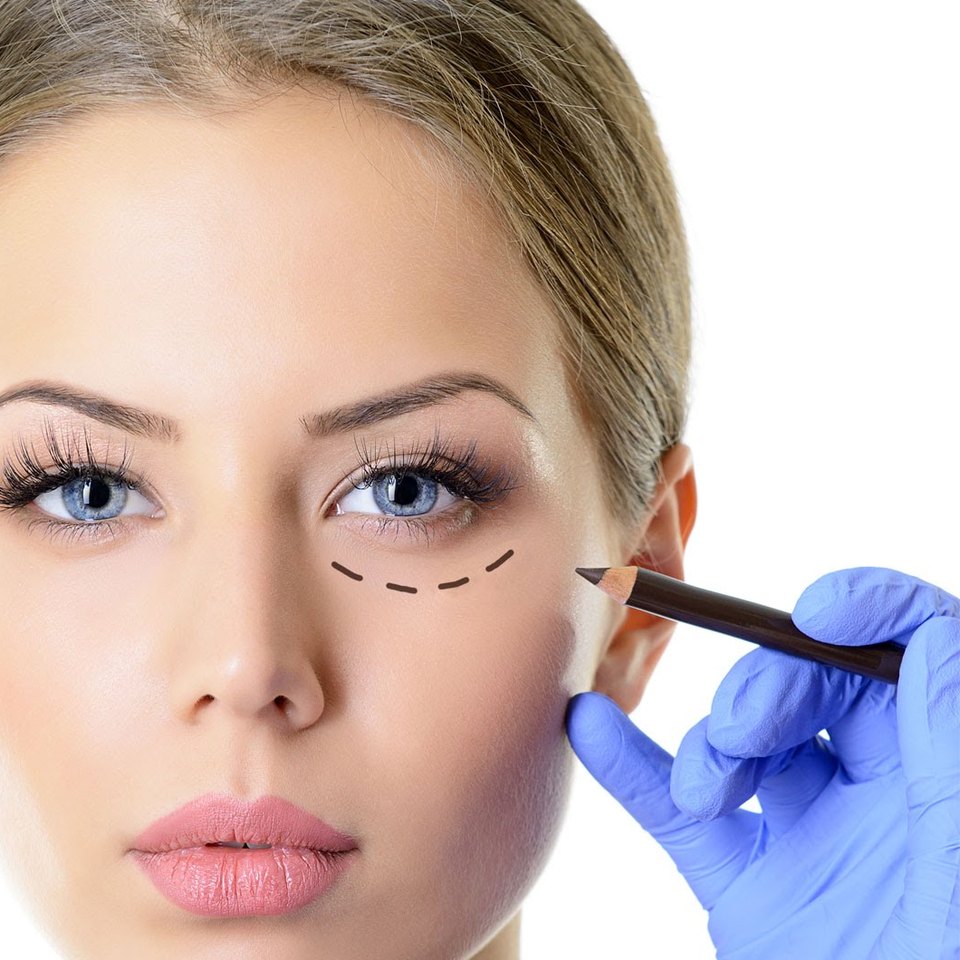
For a patient in Turkmenistan considering cosmetic or plastic surgery in India, deciding that treatment may be worthwhile is only the first step. The next decisions can be equally important: which plastic surgeon should you consult? Which hospital or clinic is appropriate for your particular goals? What should the procedure cost? How do you compare different quotations? How long should you stay in India? And what happens after you return to Turkmenistan?
India has a large cosmetic and plastic surgery sector. This creates considerable choice, but it can also make treatment planning confusing for an international patient. The objective should not simply be to find the cheapest clinic or the most heavily advertised surgeon. The objective is to identify the right combination of procedure-specific expertise, appropriate facility infrastructure, transparent costs and continuity of care for your particular goals.
This guide explains the practical decision-making process for patients travelling from Turkmenistan to India for cosmetic and plastic surgery.
Costs and Treatment Packages
01Why Do Turkmenistan Patients Consider India for Cosmetic and Plastic Surgery?
Patients may consider travelling overseas when they want procedures that are expensive locally or want access to a wide range of surgeons and techniques. India provides access to a broad spectrum of cosmetic and reconstructive care, including:
- Facial cosmetic surgery (facelift, rhinoplasty, eyelid surgery)
- Breast augmentation, reduction, lift and reconstruction
- Body contouring (liposuction, abdominoplasty)
- Reconstructive surgery after cancer, trauma or burns
- Hair transplantation
For a Turkmenistan patient, however, the availability of a procedure should never be the sole reason for choosing India. The decision should be based on whether the proposed surgeon offers a clinically and aesthetically appropriate solution for your individual anatomy and goals.
02What Turkmenistan Patients Pay for Cosmetic Surgery in India
Cosmetic surgery does not have one standard price. A minor procedure under local anaesthesia and extensive body contouring under general anaesthesia cannot reasonably be compared under one generic “cosmetic surgery package.” Indicative private-clinic treatment ranges may vary considerably, but a planning framework could look approximately like this:
| Procedure | Indicative India Treatment Range* |
|---|---|
| Rhinoplasty | US$1,800–3,500 |
| Facelift | US$2,500–4,500 |
| Eyelid Surgery (Blepharoplasty) | US$1,200–2,200 |
| Breast Augmentation | US$2,500–4,500 |
| Breast Reduction/Lift | US$2,500–4,500 |
| Liposuction (Per Area) | US$1,200–2,500 |
| Abdominoplasty (Tummy Tuck) | US$2,500–4,500 |
| Hair Transplantation | US$1,000–3,500 |
*These figures should be treated as broad planning estimates rather than quotations. Actual costs depend upon the specific technique, extent of surgery, implants used, room category, length of stay and medical complexity. Prices should be reconfirmed at the time treatment is planned, since clinic charges and exchange rates change.
03What Determines the Final Cost of Cosmetic Surgery?
- Extent of Surgery. A single, focused procedure involves far fewer resources than combined multi-area surgery.
- Implants Used. Breast implant brand and type can significantly affect the package.
- Anaesthesia Type. Local anaesthesia with sedation generally costs less than general anaesthesia for more extensive procedures.
- Technology. 3D imaging and simulation technology may add costs when used.
- Facility Category. Hospital or clinic infrastructure, room selection and aftercare facilities influence pricing.
- Combined Procedures. Performing more than one procedure in a single session affects overall cost and safety planning.
- Patient’s Overall Health. Other medical conditions may require additional evaluation or care.
04What Should a Cosmetic Surgery Package Include?
Before comparing prices, Turkmenistan patients should request a written itemised quotation. Depending upon the package, it may include:
- Surgeon’s professional fee
- Anaesthesiologist
- Operating theatre charges
- Standard hospital/clinic room
- Routine nursing
- Routine preoperative investigations
- Standard medicines and consumables
- Implants specified in the quotation
- Routine postoperative follow-up visits
- Compression garments where relevant
Do not assume these items are included merely because the clinic provides a “package price.”
05What May Not Be Included?
- Additional procedure days or extended stay
- Treatment of complications
- Revision surgery if results are not as expected
- Specialised investigations
- Higher-cost implants
- Scar-management products
- Take-home medicines
- Accommodation outside the facility
- International flights
- Meals and accommodation for the accompanying person
A lower quotation can sometimes become more expensive if important components have been excluded.
06How to Compare Quotations
Do not compare only the final number. Compare: same procedure → same technique → same implant assumptions → same anaesthesia type → same facility category → same follow-up visits → same inclusions/exclusions.
For example, one clinic may quote US$2,500 for breast augmentation and another US$4,000. That does not necessarily mean the first clinic is cheaper. The second quotation might include a higher-grade implant, more follow-up visits, and a more experienced surgeon while the first excludes some of them. Ask for clarification before deciding.
07Treatment Cost vs. Total Medical Travel Budget
Treatment Cost
The amount paid for the surgical procedure itself.
Total Medical Travel Cost
- Turkmenistan–India airfare
- Accommodation before the procedure
- Accommodation during recovery
- Attendant’s travel if accompanying
- Meals
- Ground transportation
- Visa-related expenses where applicable
- Extended stay if needed
- Flight changes
- Compression garments and scar-care products
Keeping a contingency reserve is sensible, particularly if combined procedures or revision surgery may be needed.
Value and Choosing the Surgeon
08India vs. Other International Destinations — Understanding Cost Advantage
India can be substantially less expensive than private cosmetic surgery in several high-cost markets, including Turkey / Germany. However, percentage savings should never be presented without explaining the calculation. For example, if a procedure costs US$2,500 in India and US$8,000 elsewhere, the approximate saving is: (8,000 − 2,500) / 8,000 × 100 = 69%.
Cost comparisons should use the same procedure and technique, and should clearly state whether figures represent the complete package or just the surgeon’s fee. The goal should be transparent comparison rather than advertising an exaggerated saving percentage.
09Should You Choose the Cheapest Cosmetic Surgery Option?
Usually, price should not be the deciding factor by itself. A better concept is treatment value. For cosmetic surgery, this involves the combination of a thorough consultation + an experienced surgeon with genuine results in your specific procedure + a suitably equipped facility + transparent cost + a clear revision policy. Saving US$200–500 becomes relatively unimportant if the lower-priced option leads to an unsatisfactory or asymmetrical result requiring costly revision surgery.
10How to Choose a Cosmetic Surgeon in India
Rather than searching simply for the “best cosmetic surgeon in India,” evaluate whether the surgeon has the right experience for your particular procedure.
- Training and Qualifications. Review recognised plastic surgery qualifications and subsequent aesthetic or reconstructive subspecialisation.
- Procedure-Specific Experience. A surgeon highly experienced in facial surgery may not necessarily be the ideal choice for complex breast reconstruction or extensive body contouring.
- Genuine Before-and-After Results. Ask to see the surgeon’s own results for patients with anatomy similar to yours, not stock or borrowed images.
- Volume of Similar Procedures. Ask how regularly the surgeon performs the specific procedure you are considering.
- Complication Management Experience. Ask how the surgeon manages complications and revision cases.
- Facility Affiliation. The surgeon should operate in a facility with infrastructure appropriate for the extent of the proposed procedure.
- Communication. An international patient should understand what the procedure can realistically achieve, alternatives, and risks before travelling.
11Plastic Surgeon or Cosmetic/Aesthetic Practitioner?
In some countries, the terms used to describe practitioners performing cosmetic procedures are not tightly regulated. A useful question for Turkmenistan patients is not just “Is this person called a cosmetic surgeon?” but “What is their recognised surgical qualification and registration, and is it appropriate for a full surgical procedure under anaesthesia?” For surgical procedures, a qualified plastic surgeon with hospital operating privileges is generally the appropriate choice, rather than a non-surgical aesthetic practitioner.
12Questions Turkmenistan Patients Should Ask a Surgeon in India
- What can this procedure realistically achieve for my specific anatomy and goals?
- Am I a suitable candidate, medically and otherwise?
- What are the alternatives, including non-surgical options?
- What are the major risks in my specific case?
- How many procedures like mine have you performed, and can I see genuine results?
- What technique will be used, and why?
- How long will I be in hospital, and how long in India afterward?
- When will I be fit to fly back to Turkmenistan?
- What will scars look like, and how will they be managed?
- What is the revision policy if I am not satisfied with the result?
Clinic, City and Technology
13How to Choose a Hospital or Clinic for Cosmetic Surgery in India
A heavily advertised clinic name alone should not determine the decision. Evaluate the specific facility. Depending upon the procedure, useful infrastructure may include:
- Accredited operating facility with hospital-grade safety standards
- Qualified anaesthesia team, particularly for procedures under general anaesthesia
- Appropriate recovery and monitoring facilities
- Clear emergency backup arrangements
- Documented use of recognised implant brands
- Structured aftercare and follow-up process
14Accreditation — What Does It Tell You?
Accreditation can provide useful information about a facility’s organisational and patient-safety standards. However, accreditation should not be interpreted as proof that a facility is the best choice for every cosmetic procedure. A Turkmenistan patient should consider both facility-level quality systems and the individual surgeon’s specific experience and results.
15Turkmenistan Patients Choosing a City in India
Established cosmetic and plastic surgery practices are available in several metropolitan areas, particularly Delhi NCR, Mumbai, Chennai, Bengaluru and Hyderabad. The city should generally be selected after identifying the appropriate surgeon, not before. For straightforward procedures where several equivalent options exist, connectivity and ease of recovery accommodation become more important.
16What Cosmetic Surgery Technologies Are Available in India?
- 3D Imaging and Simulation. Software that can help patients and surgeons discuss expected outcomes before surgery.
- Endoscopic Techniques. Used for selected facial and body procedures to reduce visible scarring.
- Advanced Liposuction Techniques. Including tumescent and laser-assisted approaches for selected patients.
- Fat Grafting. Transfer of a patient’s own fat to enhance volume in selected areas.
17Does More Technology Mean Better Cosmetic Surgery?
No. Technology should support surgical planning and safety, not replace surgical judgement and experience. A straightforward procedure may not become meaningfully better simply because a clinic markets 3D simulation software. The correct question is: “What advantage does this technology provide for my specific case, and how experienced is the surgeon with my exact procedure?”
Consultation, Stay and Travel
18Getting a Consultation from Turkmenistan Before Travelling to India
Turkmenistan patients should ideally obtain a preliminary consultation before purchasing flights. This can give an initial indication of the likely approach based on photographs and a description of your goals, though a definitive plan usually requires an in-person examination. For more extensive or reconstructive procedures, obtaining more than one opinion can sometimes be valuable.
19Information to Send to India
- Recent photographs relevant to the procedure
- A clear description of your goals and concerns
- Details of any previous cosmetic or reconstructive surgery
- Relevant medical conditions
- Current medications
- Smoking history, since this affects healing and certain procedure eligibility
- Allergy history
Sending only photographs may be insufficient for full treatment planning; an in-person examination is usually required before a final plan can be confirmed.
20What Happens After You Arrive in India?
A typical pathway is: consultation → physical examination → photographic documentation → discussion of technique and expected outcome → final quotation → surgery.
This step is important. A preliminary plan made remotely from photographs should not automatically be regarded as the final treatment plan. The plan can change after the in-person examination.
21How Long Should Turkmenistan Patients Plan to Stay in India?
This depends entirely on the procedure. Minor procedures may allow travel home within a few days, while more extensive surgery requires a longer stay to allow the surgeon to monitor early healing and remove any drains or sutures before the patient travels. A Turkmenistan patient should confirm the expected minimum stay for their specific procedure before finalising travel plans.
22Accommodation During Recovery
For procedures not requiring extended hospitalisation, patients typically recover at a hotel or serviced apartment near the clinic. Useful considerations include:
- Proximity to the clinic for follow-up visits
- Comfortable rest space
- Easy transport to the clinic
- Nearby pharmacy
- Appropriate meals
- Space for an attendant if accompanying
For a recently operated patient, staying close to the clinic reduces travel discomfort between follow-up appointments.
23Should a Family Member Travel With You?
For more extensive procedures under general anaesthesia, travelling with a companion is generally practical, particularly for the day of surgery and the initial recovery period. For minor procedures under local anaesthesia, many patients travel independently. The companion’s airfare and accommodation should be included in the overall budget if they are travelling.
24Planning the Return Flight to Turkmenistan from India
A long-distance return journey deserves advance planning. Before departure, obtain the surgeon’s guidance regarding fitness to fly, blood-clot prevention measures particularly after longer procedures, compression garment use during travel, swelling management, and wound care during the flight.
25What Documents Should You Carry Home?
- Discharge summary
- Operative report
- Details of any implants used, including brand and size
- Photographs taken before and after surgery
- Medication list
- Scar-care and compression garment instructions
- Follow-up schedule
- Emergency warning signs specific to the procedure
- Treating surgeon’s contact/follow-up pathway
Keep digital copies as well as physical copies.
Follow-Up, Red Flags and Decisions
26Follow-Up After Returning Home
Before travelling home, establish exactly who will manage follow-up. A useful model is: Indian surgeon + local doctor in Turkmenistan + remote follow-up via photographs. Routine wound checks and general monitoring can often be managed locally, while the Indian surgeon remains available for specific questions about the procedure performed.
27What Happens if a Complication Develops After Returning Home?
This should be discussed before surgery, not after a problem develops. Ask:
- Who should be contacted first?
- Is remote review of photographs available?
- Which symptoms require urgent local medical assessment?
- Can a local doctor communicate directly with the Indian surgeon?
- How would a revision or complication be handled if it requires further surgery?
A good international-patient treatment plan includes a clear mechanism for handling concerns after departure.
28Red Flags to Watch For
- Guaranteed dramatic results
- Pressure to book immediately based on photos alone
- No in-person examination planned before surgery
- Unclear surgeon qualifications
- Very vague package quotations
- Unexplained differences between quotations
- No discussion of possible complications
- No written revision policy
- No mechanism for follow-up after returning to Turkmenistan
Good surgical advice should acknowledge uncertainty and realistic limitations, not just promise an ideal outcome.
29A Practical Decision Pathway
- Step 1 — Clarify Your Goals. Identify specifically what you want to achieve and any concerns about your anatomy.
- Step 2 — Obtain a Preliminary Consultation. Discuss your goals and photographs with a qualified plastic surgeon before booking travel.
- Step 3 — Compare Surgeons. Do not compare price until you know whether surgeons are proposing the same technique and scope.
- Step 4 — Evaluate the Surgeon and Facility. Assess genuine results, procedure-specific experience, and facility infrastructure.
- Step 5 — Obtain a Written Cost Estimate. Understand inclusions, exclusions, and the revision policy.
- Step 6 — Plan Your Visit to India. Allow sufficient time for the procedure and safe initial recovery.
- Step 7 — Establish Follow-Up Before Returning to Turkmenistan. Leave India with full documentation and a clear follow-up plan.
30The Three-Quote Rule
For more extensive cosmetic or reconstructive surgery, Turkmenistan patients may find it useful to compare approximately two or three carefully selected surgeons, rather than collecting quotations from many clinics. Too many quotations can create more confusion than clarity. Compare each option across five dimensions:
| Factor | Option A | Option B | Option C |
|---|---|---|---|
| Proposed Procedure/Technique | |||
| Surgeon Experience | |||
| Facility/Technology | |||
| Total Treatment Estimate | |||
| Revision Policy & Follow-Up Plan |
This converts the decision from “Which is cheapest?” to “Which is the most appropriate overall treatment plan?”
Frequently Asked Questions About Cosmetic Surgery for Turkmenistan Patients in India
1Is cosmetic surgery cheaper for Turkmenistan patients in India?
It can be considerably less expensive than treatment in some higher-cost markets such as Turkey / Germany. However, the relevant comparison is the complete package for the same procedure and technique — not a generic advertised starting price.
2Should Turkmenistan patients select the most advertised cosmetic surgeon in India?
Not necessarily. Procedure-specific expertise and genuine results are usually more useful than advertising volume.
3Can I have a consultation before I travel from Turkmenistan to India?
Often, yes, for an initial discussion, though a definitive plan usually requires an in-person examination.
4Should Turkmenistan patients choose an accredited facility in India?
Accreditation is a useful quality indicator, but it should be considered alongside the surgeon’s specific qualifications and experience.
5How soon can I fly back to Turkmenistan after cosmetic surgery in India?
There is no universal timeframe. Your surgeon should clear you for travel based on wound healing and blood-clot risk specific to your procedure.
6What if a Turkmenistan patient is not happy with the result of surgery in India?
Discuss the clinic’s revision policy before surgery. Final results often take several months to appear, so early concerns should be discussed with the surgeon before considering further intervention.
7Can Turkmenistan patients have combined procedures in one visit to India?
Sometimes, but this should be assessed carefully for overall safety; combining too many procedures can increase surgical and anaesthesia risk.
8Should Turkmenistan patients choose a surgeon in India based on price alone?
No. A surgeon’s specific experience with your procedure, genuine results, and a thorough consultation process matter more than price alone.
Key Takeaway for Turkmenistan Patients Planning Cosmetic Surgery in India
For Turkmenistan patients, choosing cosmetic or plastic surgery in India should not be reduced to finding the cheapest package or the most heavily advertised clinic. Start with a thorough, honest consultation about what a specific procedure can realistically achieve for your anatomy and goals. Then compare surgeons who have substantial genuine experience with that particular procedure, facilities with appropriate safety infrastructure, and only then compare costs.
The strongest treatment plan should answer six questions clearly: What can this procedure realistically achieve? Why is this technique being recommended? Why is this surgeon appropriate? Why is this facility suitable? What will the complete treatment cost? How will my recovery and follow-up be managed after I return to Turkmenistan? When all six answers are clear, a Turkmenistan patient is in a much stronger position to make an informed decision about travelling to India for cosmetic or plastic surgery.
- 1Advice about cosmetic procedures — NHS (UK National Health Service): https://www.nhs.uk/tests-and-treatments/cosmetic-procedures/advice/
- 2Breast reduction (female) — NHS (UK National Health Service): https://www.nhs.uk/tests-and-treatments/cosmetic-procedures/cosmetic-surgery/breast-reduction-female/
- 3Liposuction — NHS (UK National Health Service): https://www.nhs.uk/tests-and-treatments/cosmetic-procedures/cosmetic-surgery/liposuction/
Citation Block: Turkmenistan Patients — Cosmetic and Plastic Surgery Costs in India
| Field | Details |
|---|---|
| Topic | Cosmetic and plastic surgery costs, surgeons, hospitals, technology and treatment planning in India for Turkmenistan patients (Pillar Page 2) |
| Audience | Patients in Turkmenistan planning cosmetic or plastic surgery in India |
| Indicative India costs | Rhinoplasty US$1,800–3,500; facelift US$2,500–4,500; breast augmentation US$2,500–4,500; liposuction (per area) US$1,200–2,500; hair transplantation US$1,000–3,500 |
| What shapes the final cost | Extent of surgery, implants used, anaesthesia type, technology, facility category, combined procedures and overall health |
| Package inclusions to confirm | Surgeon and anaesthesiologist fees, theatre, room, nursing, routine tests, medicines, specified implants, follow-up visits, compression garments |
| Common exclusions | Extended stay, complications, revision surgery, higher-cost implants, scar-care products, flights and companion costs |
| Comparing quotations | Same procedure, technique, implant, anaesthesia, facility, follow-up visits and inclusions/exclusions |
| Choosing the surgeon | Recognised plastic surgery qualifications, procedure-specific experience, genuine results and complication management |
| Indian cities | Delhi NCR, Mumbai, Chennai, Bengaluru and Hyderabad — choose the surgeon first, then the city |
| Follow-up in Turkmenistan | Indian surgeon + local doctor in Turkmenistan + remote review via photographs |
Turkmenistan Patients — Ready to Take the First Step?
Share your photographs, goals and medical history from Turkmenistan with our team today and get a MEDICAL CONSULTATION, an honest view of what is realistic, an indicative cost estimate in US$ and complete support — from your flight out of Ashgabat to your recovery in India and follow-up back home.