
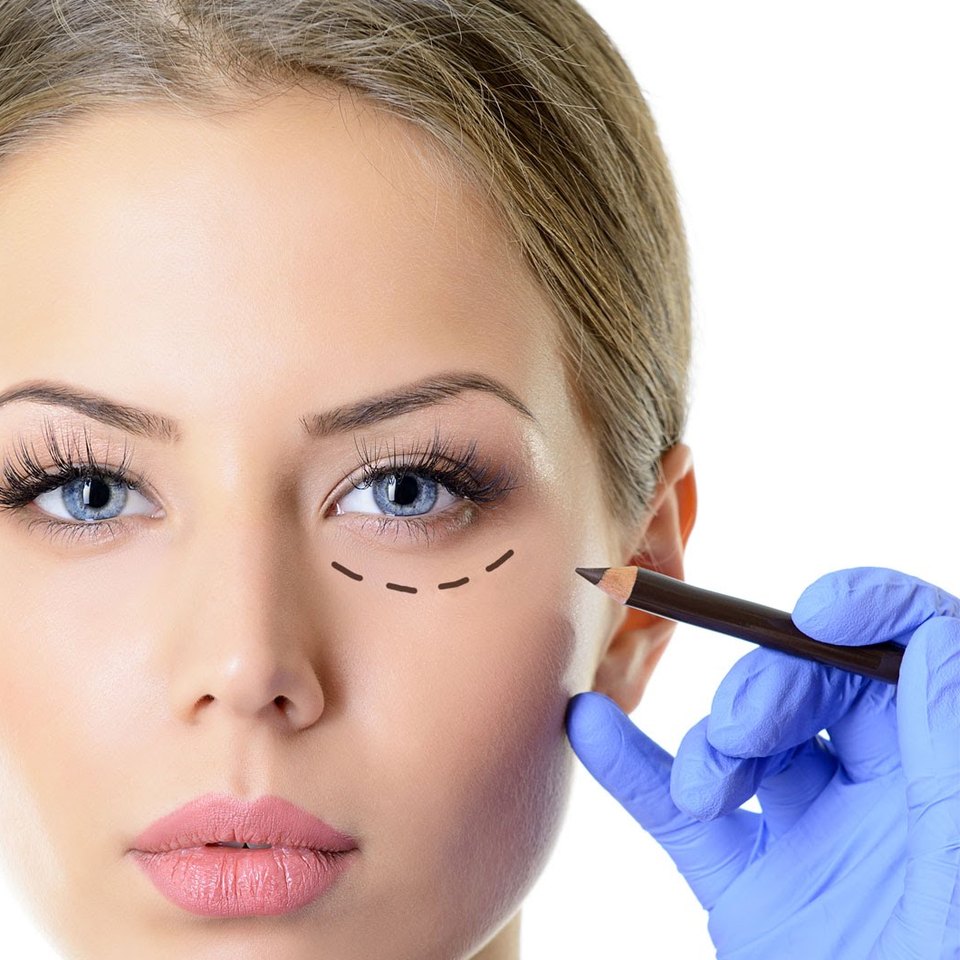
For patients in Ghana considering cosmetic or reconstructive plastic surgery, India offers access to a wide range of procedures, from facial rejuvenation and body contouring to breast surgery and reconstructive procedures after injury, illness, or weight loss. Treatment is performed by plastic surgeons with varying areas of specific expertise, supported by accredited surgical facilities.
For a patient travelling from Ghana, the important question is not simply “Can this be done in India?” The more useful questions are: What can this specific procedure realistically achieve for me? Am I a suitable candidate, medically and otherwise? What are the risks? How long will recovery and final results take? And when will I be fit enough to make the journey back to Ghana? This guide explains the clinical aspects of cosmetic and plastic surgery in India from the perspective of Ghana patients.
Understanding Cosmetic and Plastic Surgery
01What Is Cosmetic and Plastic Surgery?
Cosmetic and plastic surgery covers a broad range of procedures aimed at changing the appearance or function of the body. Cosmetic (aesthetic) surgery is typically elective, performed to change appearance according to a patient’s preference, such as rhinoplasty, breast augmentation, or facelift surgery. Reconstructive plastic surgery is performed to restore form or function after injury, cancer treatment, congenital conditions, or significant weight loss, such as breast reconstruction after mastectomy or reconstruction after burns or trauma. The objective, planning, and recovery differ significantly between cosmetic and reconstructive procedures, even when performed by the same surgeon.
02Common Reasons Ghana Patients Consider Cosmetic or Plastic Surgery in India
- Facial Rejuvenation. Procedures such as facelift, eyelid surgery, or brow lift address visible signs of ageing in the face.
- Rhinoplasty (Nose Reshaping). Surgery to change the shape or improve the function of the nose.
- Breast Augmentation, Reduction, or Lift. Procedures to change breast size or shape according to the patient’s goals.
- Breast Reconstruction. Reconstructive surgery after mastectomy for breast cancer, restoring breast form.
- Body Contouring After Weight Loss. Procedures to remove excess skin and reshape the body after significant weight loss.
- Liposuction. Removal of localised fat deposits that do not respond to diet and exercise.
- Abdominoplasty (Tummy Tuck). Removal of excess abdominal skin and tightening of abdominal muscles.
- Reconstructive Surgery After Burns or Trauma. Surgery to restore form and function after injury.
03Does Every Condition Need Surgery?
No. This is one of the most important principles for a Ghana patient considering travelling overseas. Depending on the goal, appropriate options may include:
- Non-surgical treatments (such as injectables or skin treatments) instead of surgery for some concerns
- A smaller or more limited procedure than initially requested, if this better matches the patient’s anatomy and goals
- Weight loss or lifestyle changes instead of surgery in some cases
- Postponing surgery until a medical condition affecting surgical safety is optimised
Not every aesthetic concern requires surgery, and not every patient requesting a specific procedure is medically or anatomically suited to it. A plastic surgeon should conduct a thorough consultation, including physical examination, before confirming that a specific procedure is appropriate.
Ghana patients considering cosmetic or plastic surgery do best when they separate what they want to achieve from what a specific procedure can realistically deliver, and discuss this openly with the surgeon before travelling.
04When May Surgery Be Recommended?
- The patient has realistic expectations about what the procedure can achieve
- The patient is in good general health and has been medically cleared for elective surgery
- For reconstructive surgery, the underlying condition (such as cancer treatment) has reached an appropriate stage for reconstruction
- Non-surgical options have been considered and are not suitable or sufficient for the patient’s goals
05Warning Signs Ghana Patients Should Not Ignore After Surgery in India
- Sudden severe pain, swelling, or redness at the surgical site
- High fever after surgery
- Signs of significant bleeding
- Sudden difficulty breathing or chest pain (which can indicate a blood clot)
- Wound breakdown or unusual discharge
- Asymmetry or complications that seem to be worsening rather than settling
A patient with sudden difficulty breathing, chest pain, high fever, or significant bleeding after surgery should seek immediate local emergency care in Ghana rather than delaying to arrange overseas follow-up.
06Tests Usually Required Before Cosmetic or Plastic Surgery
- General Health Assessment. Blood tests and a physical examination to confirm fitness for elective surgery and anaesthesia.
- Cardiac Evaluation. May be required depending on age, the extent of surgery, and any underlying medical conditions.
- Mammogram or Breast Imaging. Relevant before breast surgery, particularly for patients over a certain age or with relevant risk factors.
- Photographic Documentation. Standardised photographs are typically taken before surgery for planning and comparison purposes.
- Psychological Readiness Discussion. A frank discussion of goals and expectations, which reputable surgeons treat as an essential part of the consultation, not a formality.
07Major Types of Cosmetic and Plastic Surgery Available to Ghana Patients in India
- Facial Cosmetic Surgery. Includes facelift, rhinoplasty, eyelid surgery, and other procedures addressing facial appearance.
- Breast Surgery. Includes augmentation, reduction, lift, and reconstruction, each with different goals, techniques, and recovery profiles.
- Body Contouring Surgery. Includes liposuction, abdominoplasty, and post-weight-loss body contouring procedures.
- Reconstructive Surgery. Includes reconstruction after cancer treatment, trauma, burns, or congenital conditions.
- Hair Transplantation. Surgical redistribution of hair follicles to treat hair loss in appropriately selected patients.
- Combined Procedures. Some patients undergo more than one procedure in a single surgical session, which requires careful assessment of overall surgical and anaesthesia safety.
08Minimally Invasive and Scar-Conscious Techniques
Many cosmetic and reconstructive procedures now use techniques designed to minimise visible scarring and support faster recovery, such as endoscopic approaches for certain facial procedures or specific incision placement techniques for breast and body surgery. The suitability of these techniques depends on the specific procedure and the patient’s individual anatomy.
093D Imaging and Surgical Planning
Advanced Indian cosmetic surgery centres may use 3D imaging and simulation technology to help patients and surgeons discuss expected outcomes before surgery. A useful question for Ghana patients is not “Does this clinic have the latest simulation software?” but “How many procedures like mine has this surgeon performed, and can I see genuine before-and-after results from their own patients?”
The detail patients most wish they had understood in advance is how much swelling and bruising is normal in the first two to three weeks, and that final results are often not visible for several months after surgery.
10Risks and Possible Complications of Cosmetic and Plastic Surgery
- Infection
- Bleeding or haematoma
- Scarring, which may be more prominent than expected in some patients
- Asymmetry or unevenness
- Skin or tissue necrosis in rare cases
- Blood clots
- Anaesthesia-related complications
- Unsatisfactory aesthetic outcome relative to expectations
- Need for revision surgery
The risk profile of a minor procedure under local anaesthesia is very different from that of extensive body contouring surgery under general anaesthesia. Patients should request procedure-specific risk information rather than relying on generic complication percentages.
Recovery, Stay and Return Home
11Recovery After Surgery
Early Phase
- Pain control
- Wound and dressing care
- Monitoring for bleeding or infection
- Compression garments where relevant
- Early, gentle mobilisation to reduce blood-clot risk
Following Weeks
- Gradual reduction in swelling and bruising
- Wound and scar care
- Gradual return to normal activity
- Follow-up review of surgical results
- Continued use of compression garments where advised
Longer-Term Recovery
Initial recovery from most cosmetic procedures is measured in one to three weeks, but final results, particularly regarding swelling resolution and scar maturation, often take three to twelve months to fully appear, depending on the procedure.
12Recovery Support and Scar Management
- Compression garment use where advised
- Scar management techniques (such as silicone sheeting) once wounds have healed
- Gradual return to exercise as advised by the surgeon
- Sun protection for healing scars
- Follow-up photography to track healing progress
- Realistic timeline expectations for final results
13When Can Patients Return to Work?
This depends heavily on the specific procedure and occupation. Minor procedures may allow return to desk-based work within a few days, while more extensive body contouring or reconstructive procedures typically require two to four weeks, longer for physically demanding roles.
14How Long Ghana Patients Should Remain in India After Surgery
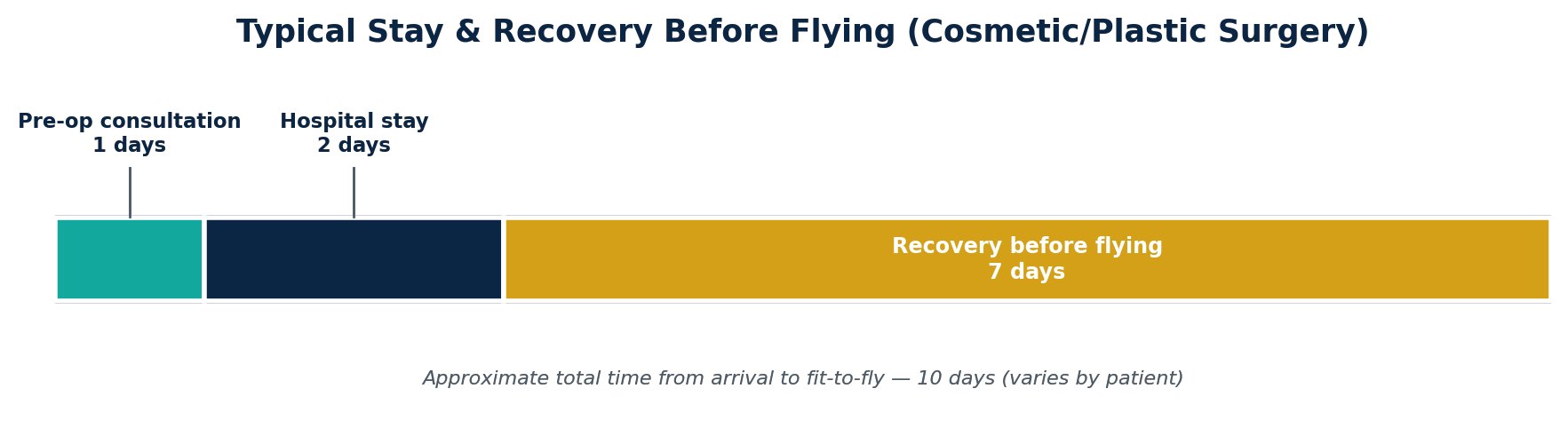
This depends on the specific procedure. Minor procedures may allow travel home within a few days, while more extensive surgery requires a longer stay to allow the surgeon to monitor early healing and remove any drains or sutures before the patient travels. A Ghana patient should confirm the expected minimum stay for their specific procedure before finalising travel plans.
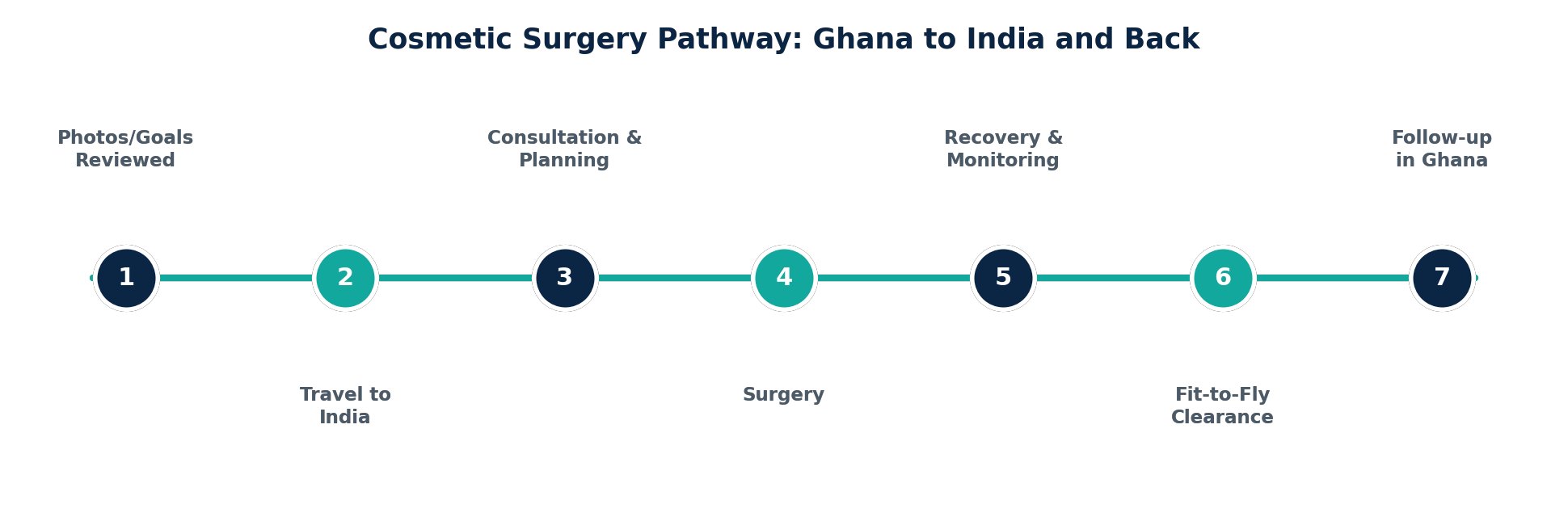
15Flying Back to Ghana After Cosmetic or Plastic Surgery in India
- Fit-to-fly clearance from the treating surgeon
- Blood-clot prevention measures, particularly after longer procedures
- Compression garment use during travel where advised
- Swelling management during the flight
- Wound care during travel
- Pain management plan for the journey
Patients who have had extensive body contouring surgery may have a higher blood-clot risk during long flights and should discuss specific precautions with their surgeon.
16Medical Records Ghana Patients Should Take Home from India
- Discharge summary
- Operative report
- Photographs taken before and after surgery
- Details of any implants used, including brand and size
- Medication list
- Scar-care and compression garment instructions
- Follow-up schedule
- Emergency warning signs specific to the procedure performed
- Treating surgeon’s contact/follow-up pathway
17Follow-Up in Ghana After Cosmetic Surgery in India
- Wound and scar assessment
- Monitoring for delayed complications
- Photographic follow-up to track healing
- Coordination with a local doctor for routine wound checks
- Discussion of any need for revision surgery, if results are not as expected
- Long-term follow-up specific to implants, if used
18How Successful Is This Surgery?
There is no meaningful single “success rate” for cosmetic and plastic surgery. Outcomes depend on the specific procedure, the patient’s anatomy, healing characteristics, and how closely expectations matched what the procedure can realistically achieve. Patient satisfaction is influenced heavily by the quality of the pre-operative consultation and expectation-setting, not just the technical result.
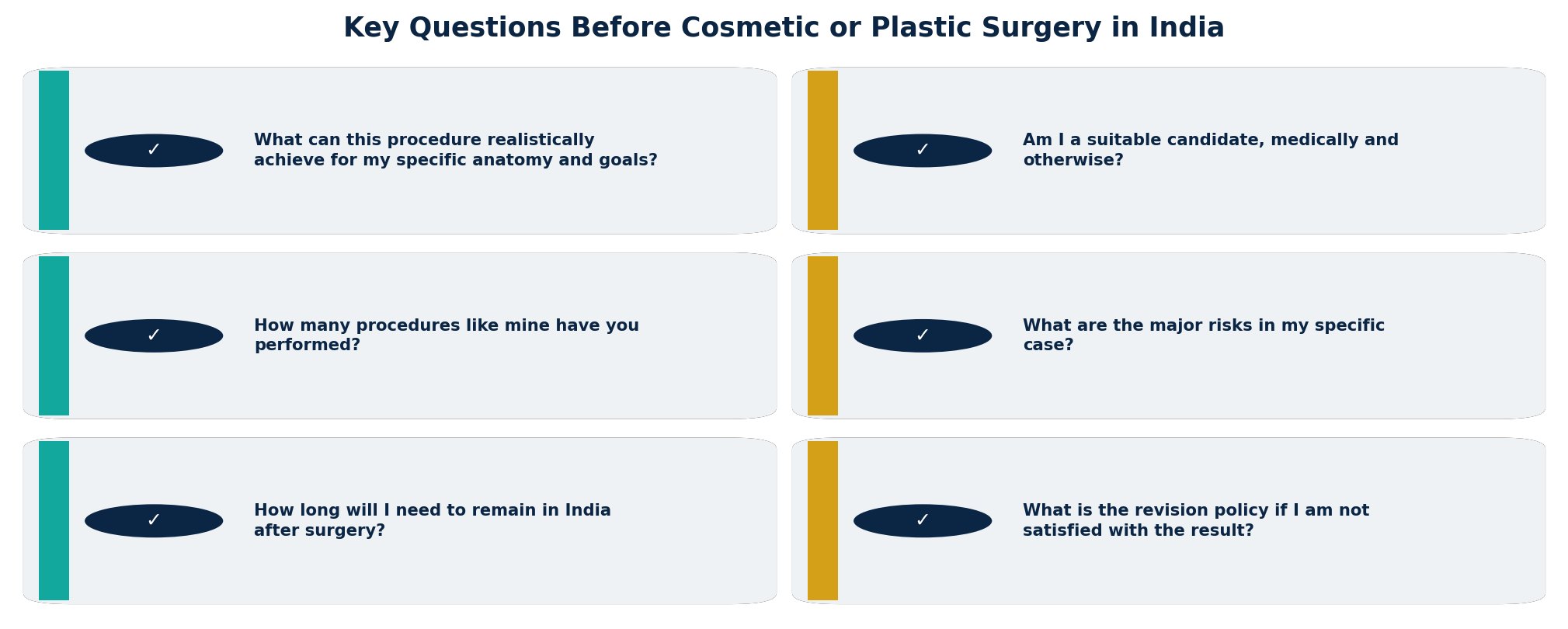
19Questions Ghana Patients Should Ask Before Surgery in India
- What can this procedure realistically achieve for my specific anatomy and goals?
- Am I a suitable candidate, medically and otherwise?
- What are the alternatives, including non-surgical options?
- What are the major risks in my specific case?
- How many procedures like mine have you performed, and can I see genuine results?
- What technique will be used, and why?
- How long will I be in hospital, and how long in India afterward?
- When will I be fit to fly back to Ghana?
- What will scars look like, and how will they be managed?
- What is the revision policy if I am not satisfied with the result?
Frequently Asked Questions About Cosmetic Surgery for Ghana Patients in India
1Can I have a consultation before I travel from Ghana to India?
Often, yes, for an initial discussion based on photographs and a description of your goals, though a definitive plan usually requires an in-person examination.
2Is cosmetic surgery safe for Ghana patients travelling to India?
All surgery carries risk. A thorough medical evaluation, an experienced surgeon, and an accredited facility all help reduce risk, but no procedure is entirely without risk.
3Will Ghana patients look completely different after cosmetic surgery in India?
Most well-planned cosmetic surgery aims for natural-looking improvement consistent with the patient’s features, rather than a dramatic change in overall appearance.
4How soon can I fly back to Ghana after cosmetic surgery in India?
There is no universal timeframe. Your surgeon should clear you for travel based on wound healing, swelling, and blood-clot risk specific to your procedure.
5What if a Ghana patient is not happy with the result of surgery in India?
Discuss the clinic’s revision policy before surgery. Final results often take several months to appear, so early dissatisfaction should be discussed with the surgeon before considering further intervention.
6Can Ghana patients have combined procedures in one visit to India?
Sometimes, but this should be assessed carefully for overall safety; combining too many procedures can increase surgical and anaesthesia risk.
7Will scars be visible for Ghana patients after surgery in India?
This depends on the procedure, technique, incision placement, and individual healing; realistic expectations should be set before surgery.
8Should Ghana patients choose a surgeon in India based on price alone?
No. A surgeon’s specific experience with your procedure, genuine results, and a thorough consultation process matter more than price alone.
Key Takeaway for Ghana Patients Planning Cosmetic Surgery in India
Travelling from Ghana to India for cosmetic or plastic surgery can offer good value, but the most important step is a thorough, honest consultation that clarifies what a specific procedure can realistically achieve for your individual anatomy and goals. For a Ghana patient, the plan should also address recovery in India, realistic timelines for final results, scar management, and a clear follow-up pathway once home.
- 1Mayo Clinic - Cosmetic surgery: https://www.mayoclinic.org/tests-procedures/cosmetic-surgery/about/pac-20385138
- 2American Society of Plastic Surgeons - Why an accredited surgery center matters: https://www.plasticsurgery.org/news/blog/why-an-accredited-surgery-center-matters
- 3Government of India - Indian Visa Online (e-Medical Visa and e-Medical Attendant Visa): https://indianvisaonline.gov.in/evisa/
Citation Block: Ghana Patients — Cosmetic and Plastic Surgery in India
| Field | Details |
|---|---|
| Topic | Cosmetic and plastic surgery in India for Ghana patients — clinical and surgical guide (Pillar Page 1) |
| Audience | Patients in Ghana considering cosmetic or reconstructive plastic surgery in India |
| Procedures covered | Facial rejuvenation, rhinoplasty, breast augmentation, reduction, lift and reconstruction, liposuction, abdominoplasty, body contouring after weight loss, reconstruction after burns or trauma, hair transplantation |
| Typical hospital stay | 1–4 days, procedure-dependent |
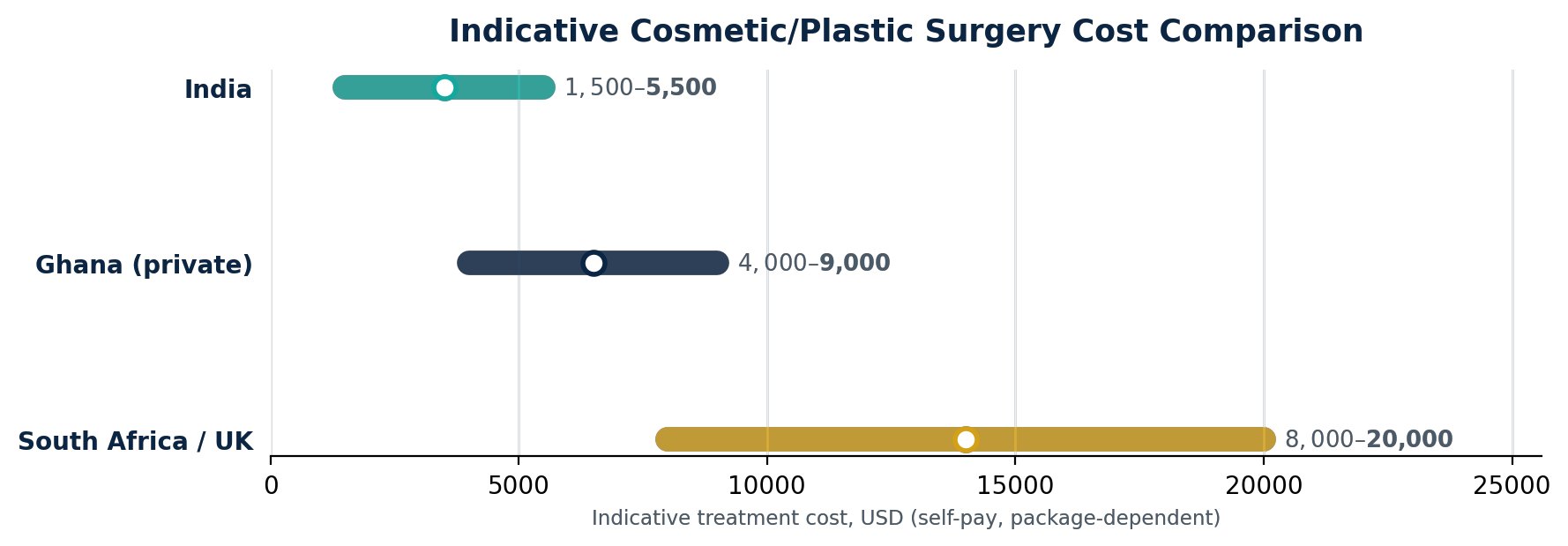
| Typical cost saving | 50–70% compared with South Africa / UK, package-dependent |
| Stay in India | Minor procedures may allow travel home within a few days; more extensive surgery requires a longer stay |
| Tests before surgery | General health assessment, cardiac evaluation where needed, breast imaging before breast surgery, photographs, psychological readiness discussion |
| Recovery timeline | Initial recovery 1–3 weeks for most procedures; final results often 3–12 months |
| Flying back to Ghana | Only after fit-to-fly clearance from the treating surgeon, with blood-clot prevention measures |
| Follow-up at home | Wound and scar checks with a local doctor, photographic follow-up, long-term implant follow-up where relevant |
Ghana Patients — Ready to Take the First Step?
Share your photographs, goals and medical history from Ghana with our team today and get a MEDICAL CONSULTATION, an honest view of what is realistic, an indicative cost estimate in US$ and complete support — from your flight out of Accra to your recovery in India and follow-up back home.